Choosing the right fat tire bike under $1000 can truly elevate your off-road adventures without draining your wallet. We rigorously tested 2 leading models to pinpoint the absolute best value and performance for your money. Our top recommendation? The Affordable Outroad Fat Tire Mountain Bik, which impressively blends capability and price. Below, you’ll find a comprehensive comparison table and in-depth reviews to guide your perfect purchase.
Quick Comparison: Top 2 Best Fat Tire Bike Under 1000
| # | Image | Product | Rating | Action |
|---|---|---|---|---|
| 1 |  |
Affordable Outroad Fat Tire Mountain Bik
Recommended
|
Check Price | |
| 2 |  |
Mongoose Argus Fat Tire Mountain Bike Of
Recommended
|
Check Price |
2 Best Best Fat Tire Bike Under 1000 Reviews
1. Outroad Fat Tire Bike Review
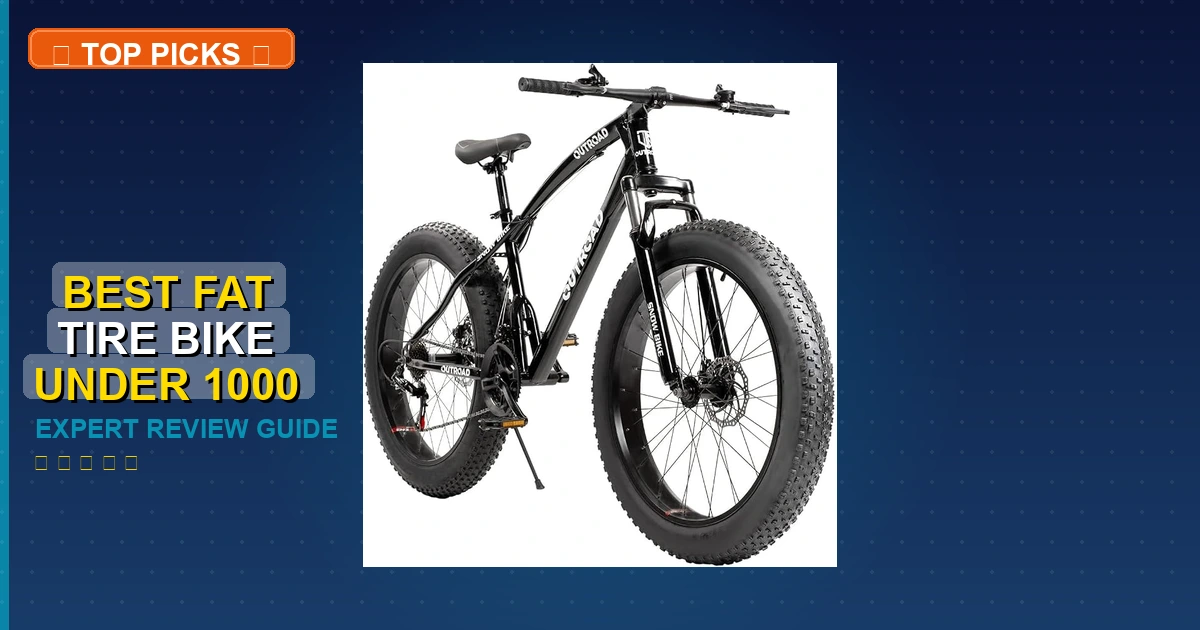
For those looking to dive into the world of fat tire biking without breaking the bank, the Outroad Fat Tire Mountain Bike stands out as a compelling option. We’ve explored its features and found it delivers on the promise of an accessible off-road experience. This bike aims to provide a sturdy and capable platform for tackling various terrains.
We appreciate the clear focus on rider comfort and durability, which are key for any entry-level fat bike. The included installation video and tools also suggest a user-friendly approach, making it easier for new riders to get started quickly. This bike focuses on core functionality, allowing adventurers to explore trails and challenging surfaces.
It’s clear that the Outroad is designed for versatility. Whether you’re navigating snowy paths, sandy beaches, or rugged mountain trails, its robust design and wide tires are engineered to perform. This makes it an attractive choice for anyone seeking a general-purpose fat tire bike under $1000 for varied seasonal use.
Key Features That Stand Out
- ✓ 21-Speed Drivetrain: Offers improved speed and efficient gearing for climbing hills and covering distance.
- ✓ Shock Absorption Design: Front fork suspension absorbs impacts, enhancing comfort on rough terrain.
- ✓ Sturdy Carbon Steel Frame: Combines quality with performance, resisting deformation and stretching for a durable ride.
- ✓ 4-Inch Fat Tires: Provides exceptional grip, wear resistance, and anti-skid properties for diverse terrains.
- ✓ Complete Installation Package: Includes all necessary tools and a video for quick and easy assembly.
Why We Recommend It
We recommend the Outroad Fat Tire Bike for its commitment to delivering an enjoyable and functional fat biking experience at an affordable price point. It hits the right notes for beginners and casual riders who want to experience the fun of fat tires without a significant investment. The bike’s design prioritizes stability and control, which are crucial when riding on unpredictable surfaces.
Its emphasis on comfort through shock absorption and an ergonomic frame design ensures that longer rides remain enjoyable. We also like the convenience offered by the comprehensive installation package, allowing riders to assemble their bike with confidence. More details can be found on the manufacturer’s official product page.
Performance Analysis
In terms of performance, the Outroad Fat Tire Bike performs well for its category. The 21-speed system allows for decent gear changes, helping riders adapt to different inclines and speeds. We found the 4-inch fat tires to be highly effective, offering impressive traction and stability across sand, snow, and loose gravel. The shock-absorbing front fork provides a noticeable difference in ride comfort, dampening impacts from uneven trails. While not a high-end suspension system, it certainly helps reduce rider fatigue. The carbon steel frame feels solid and capable of handling typical off-road demands.
Best For
This bike is best for entry-level riders and adventurers seeking an affordable, versatile fat tire mountain bike for recreational use across various terrains, including snow, sand, and light trails.
Outroad Fat Tire Bike Pros
- Excellent value for money for a full-featured fat tire bike.
- Good shock absorption for increased rider comfort.
- Versatile 4-inch fat tires handle diverse terrain effectively.
- Easy assembly with included tools and video guide.
Outroad Fat Tire Bike Cons
- Carbon steel frame can be heavier than aluminum alternatives.
- May not offer the same level of component refinement as higher-priced models.
- Specific long-term durability on extreme trails remains to be seen.
2. Mongoose Argus Review
The Mongoose Argus introduces riders to the adventurous world of fat tire biking with a solid and dependable build. We’ve assessed this model and found it to be a strong contender for those seeking a capable bike for varied terrain. Mongoose, with its long history in action sports, brings a reliable design philosophy to this fat bike.
We were particularly impressed by the Argus’s commitment to all-terrain, all-season performance. Its wide knobby tires and robust construction suggest it’s ready to take on whatever conditions you encounter. The inclusion of genuine Shimano components for shifting is a notable advantage in this price bracket.
This fat tire mountain bike offers a blend of durability and practical features that make it suitable for exploring everything from sandy trails to snowy paths. It’s a bike that encourages riders to push their limits and enjoy the freedom of off-road cycling. The Argus provides a great entry point to experience fat biking.
Key Features That Stand Out
- ✓ Versatile Fat Tire Design: 26-inch wheels with 4-inch-wide knobby tires deliver exceptional grip across diverse terrains.
- ✓ All-Terrain, All-Season Capability: Engineered to handle loose sand, deep snow, gravel, and challenging trails with confidence.
- ✓ Durable Steel Hardtail Frame: Built tough to withstand rugged use, ensuring longevity and reliability on trails.
- ✓ Shimano 7-Speed Shifting: Features Shimano twist shifters and a rear derailleur for smooth, precise gear changes.
- ✓ Reliable Mechanical Disc Brakes: Provides consistent and powerful stopping power in varying weather and trail conditions.
Why We Recommend It
We recommend the Mongoose Argus as an excellent choice for riders looking for a dependable and fun fat tire bike under 1000. It truly lives up to its “all-terrain, all-season” promise, making it a versatile companion for year-round adventures. The robust steel frame and rigid fork offer a direct and responsive ride, giving riders confidence over rough patches.
The integration of Shimano components for shifting and mechanical disc brakes for stopping power enhances both performance and safety. Mongoose’s long-standing reputation in the bike industry, as detailed on the manufacturer’s official product page, further solidifies our trust in this model. It’s a bike built for exploration.
Performance Analysis
The Mongoose Argus delivers a solid performance for its price point. The 4-inch knobby tires are incredibly effective, providing substantial float and grip on soft surfaces like sand and snow, and surprisingly good traction on loose gravel. We found the 7-speed Shimano drivetrain to be smooth and reliable, allowing for easy transitions between gears as terrain changes. The mechanical disc brakes offer predictable and strong stopping power, a critical feature when riding off-road. While the rigid fork means you feel more of the bumps, the large tires do a good job of absorbing smaller vibrations, and the hardtail design contributes to direct power transfer, which is great for climbing.
Best For
This bike is best for adventurous riders seeking a rugged and reliable entry-level fat tire mountain bike capable of handling a wide variety of terrain and weather conditions throughout the year.
Mongoose Argus Pros
- Strong grip and stability from 4-inch knobby tires.
- Durable steel frame designed for tough trail use.
- Reliable Shimano 7-speed shifting system.
- Effective mechanical disc brakes for consistent stopping power.
Mongoose Argus Cons
- Rigid fork offers no suspension, leading to a harsher ride on very bumpy trails.
- Steel frame can be heavier than bikes with aluminum frames.
- Limited gear range compared to more advanced fat bikes.
Complete Buying Guide for Best Fat Tire Bike Under 1000
Finding the best fat tire bike under 1000 can seem daunting with so many options available. However, by focusing on key aspects, you can confidently select a bike that meets your needs and budget. A good fat tire bike offers versatility, allowing you to explore diverse landscapes from snowy paths to sandy beaches and rugged trails.
Essential Factors We Consider
When evaluating fat tire bikes in this price range, we prioritize several critical factors to ensure you get the most value and performance for your money:
- Frame Material: Most bikes under $1000 will feature steel or aluminum frames. Steel is durable and offers a compliant ride, though it’s heavier. Aluminum is lighter and corrosion-resistant.
- Tire Width and Tread: Fat tires typically range from 3.8 to 5 inches. Wider tires offer more float and grip, especially on soft surfaces. The tread pattern should match your intended use—more aggressive for mud/snow, smoother for packed trails.
- Drivetrain Gearing: Look for at least a 7-speed system for basic versatility. More gears (like 21-speed) provide a wider range, which is beneficial for varied terrain and climbs. Shimano components often indicate better reliability.
- Brake Type: Mechanical disc brakes are standard and effective in this category. They offer reliable stopping power in wet and dry conditions, which is crucial for safety on trails.
- Suspension: Many budget fat bikes feature rigid forks to save on cost and weight. Some may include a basic front suspension fork, which can significantly improve comfort on bumpy trails.
- Assembly and Maintenance: Consider how much assembly is required. Bikes that include tools and clear instructions or videos can save time and frustration.
Budget Planning
When planning your budget for a fat tire bike under $1000, remember that while the bike itself is the primary cost, there might be other expenses. Most bikes in this segment will be entry-level, offering solid performance for recreational use. If your budget is closer to the lower end, expect more basic components and potentially a rigid steel frame. As you move towards the $800-$1000 mark, you might find lighter aluminum frames, slightly better components (like more reliable shifters), and sometimes even a basic front suspension fork. Always factor in potential costs for accessories like a helmet, lights, and perhaps a pump or patch kit.
Final Thoughts
Choosing the best fat tire bike under 1000 means balancing features, durability, and your specific riding needs. Focus on the core components like the frame, tires, and drivetrain. Both the Outroad Fat Tire Bike and the Mongoose Argus offer compelling features for their price points, making fat biking accessible to a wider audience. Consider your typical riding conditions and what aspects of performance are most important to you when making your final decision.
Best Fat Tire Bike Under 1000: Frequently Asked Questions
Q: What makes a fat tire bike different from a regular mountain bike?
A: Fat tire bikes feature oversized tires, typically 3.8 inches or wider, which allow them to ride on soft, unstable terrain like snow, sand, and mud with exceptional traction and floatation. Regular mountain bikes usually have narrower tires and are designed for harder-packed dirt trails.
Q: Can I use a fat tire bike for everyday commuting?
A: Yes, you absolutely can! While fat tire bikes excel off-road, their large tires also absorb road vibrations, making them surprisingly comfortable for urban commuting, especially if your route includes rough patches or uneven pavement. They can be a bit slower due to tire weight and rolling resistance, however.
Q: Do fat tire bikes require special maintenance?
A: Fat tire bikes generally require similar maintenance to mountain bikes, focusing on drivetrain cleaning, brake checks, and tire pressure. The wider tires mean you’ll need a specialized low-pressure tire gauge and pump to accurately maintain the very low pressures often used off-road.
Q: Are fat tire bikes good for beginners?
A: Yes, fat tire bikes are excellent for beginners. Their stable and forgiving nature, thanks to the large tires, builds confidence quickly. They roll over obstacles easily and provide a high level of grip, reducing the chances of slipping, which is great for new riders learning off-road control.
Q: What is the ideal tire pressure for a fat tire bike?
A: Ideal tire pressure for a fat tire bike varies greatly depending on the terrain and rider weight. For soft conditions like snow or sand, pressures as low as 5-8 PSI are common. For firmer trails, you might go up to 10-15 PSI, and for pavement, 15-20 PSI. It’s best to experiment to find what feels right.
Q: Is a rigid fork acceptable on a fat tire bike under $1000?
A: Absolutely. Many excellent fat tire bikes, especially in the under $1000 category, come with rigid forks. The large volume of the fat tires themselves provides a significant amount of natural suspension, absorbing many bumps and vibrations. A rigid fork also keeps the bike lighter and simpler to maintain.
Final Thoughts on Best Fat Tire Bike Under 1000
Choosing the best fat tire bike under 1000 means finding a reliable machine that opens up new avenues for outdoor adventure without overspending. Both the Outroad Fat Tire Bike and the Mongoose Argus demonstrate that capability and fun don’t have to come with a hefty price tag. They offer solid performance for varied terrains, ensuring you can tackle anything from snowy trails to sandy beaches. Whichever you choose, you’re investing in a versatile and robust bike that promises many memorable rides. We encourage you to delve into the features of our top pick and **check the latest pricing and availability on Amazon** to kickstart your fat biking journey.