over the tire skid steer tracks is an essential topic with practical applications and significant benefits. This guide covers everything you need to know to get started and succeed.
Choosing the right over-the-tire (OTT) tracks for your skid steer depends entirely on your machine’s exact tire size, clearance limits, and the primary terrain you navigate in 2026. Steel tracks excel in rocky demolition sites by offering maximum puncture resistance, while rubber and hybrid tracks protect turf and asphalt from severe gouging during landscaping and utility work.
Getting this match wrong leads to premature tire wear, dropped tracks, or expensive machine clearance damage. This guide walks you through selecting the exact track type for your ground conditions and sizing them properly to fit your specific skid steer model without risking mechanical failure.
Key Takeaways
- Understanding over the tire skid steer tracks:Essential knowledge for success in this area
- Practical applications:Real-world scenarios and proven use cases
- Key benefits:Significant advantages when implemented correctly
- Best practices:Important guidelines and expert recommendations
- Future trends:Evolving landscape and emerging opportunities
Understanding over the tire skid steer tracks
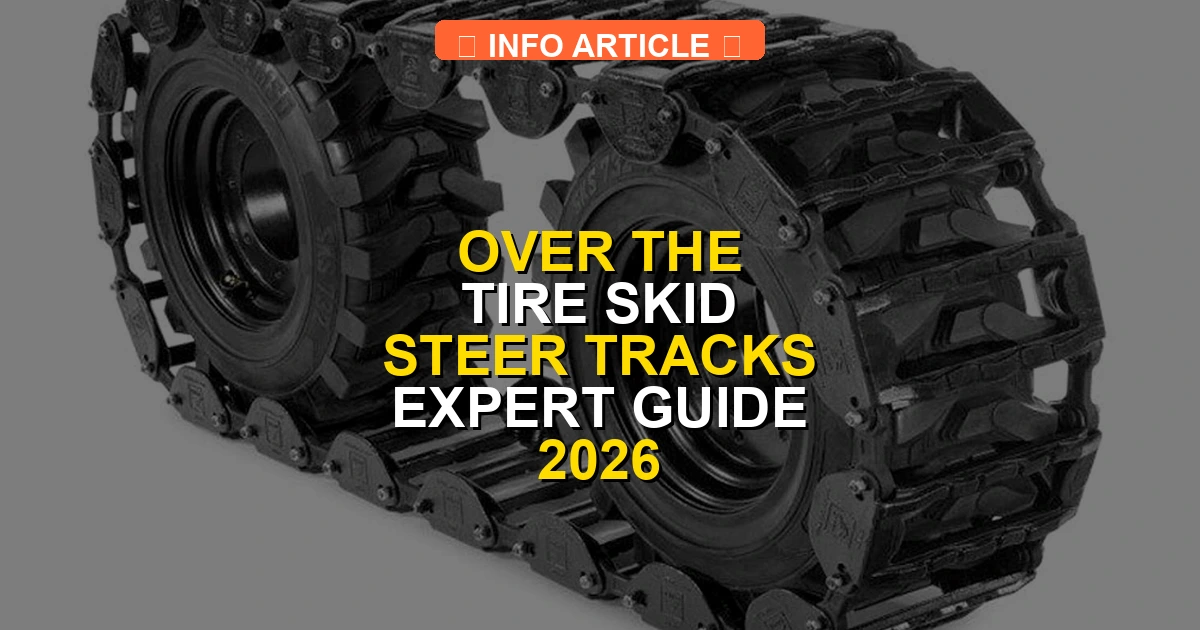
OTT tracks transform your wheeled skid steer into a high-traction machine without the massive investment of a dedicated compact track loader. You wrap these heavy-duty assemblies directly around your existing pneumatic tires, bridging the gap between wheeled agility and tracked flotation.
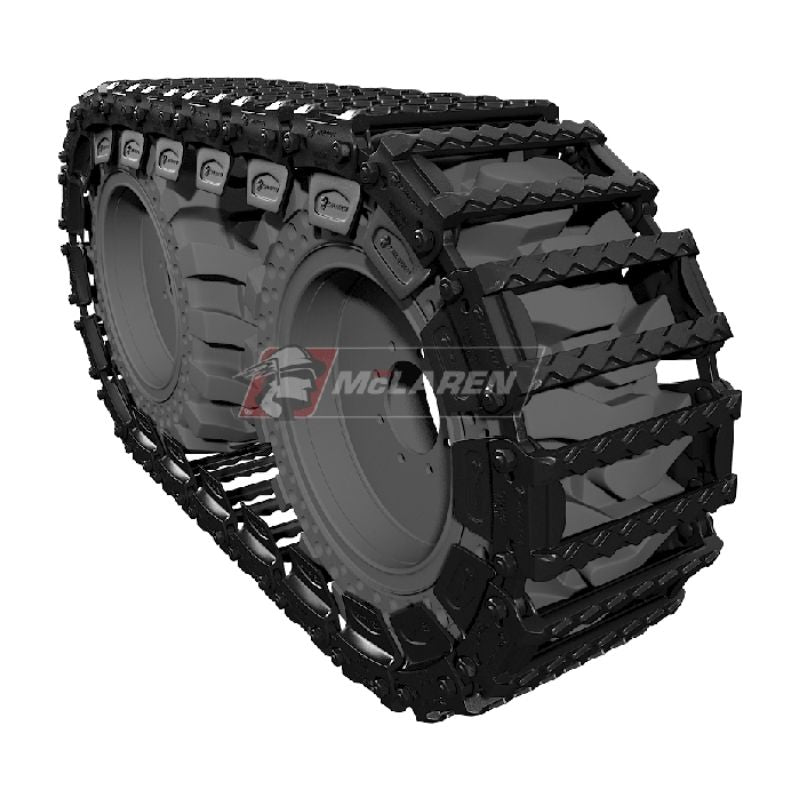
Steel versus rubber and hybrid track options
Selecting your material dictates how your machine interacts with the ground and how long your investment lasts under daily abuse:
- Steel tracks: Best for extreme environments like scrap yards, rocky terrain, and construction demolition. They offer aggressive bite and virtually eliminate flats, but they will tear up paved surfaces.
- Rubber tracks: Ideal for landscaping, turf management, and municipal work. They provide a smoother ride on hard surfaces and protect delicate ground from tearing during tight turns.
- Poly or hybrid tracks: Combine steel reinforcement with rubber pads. They give you the puncture resistance of steel with the surface protection of rubber, making them popular for mixed-job contractors in 2026.
Matching track types to your specific ground conditions
Your local soil and job site demands must drive your purchasing decision to maximize productivity and minimize downtime.
- Mud and clay: Choose self-cleaning steel tracks with deep bars that eject sticky material as the wheel rotates.
- Sand and loose gravel: Opt for wider rubber or hybrid tracks that distribute weight evenly to prevent your machine from sinking.
- Asphalt and concrete: Stick strictly to rubber tracks to avoid destroying finished surfaces and causing excessive vibration that damages machine components.
Key Benefits of over the tire skid steer tracks
Adding OTT tracks to your fleet significantly enhances your machine’s capabilities across multiple operational metrics.
Traction, flotation, and stability gains
Wheeled skid steers often struggle in soft mud or steep inclines where traction is lost instantly. OTT tracks expand your machine’s footprint dramatically, reducing ground pressure by up to 50 percent.
- Flotation: You can float over saturated soils that would swallow a standard wheeled machine in seconds.
- Side-slope stability: Wider tracks lower your center of gravity confidence when grading or working on uneven terrain.
- Pushing power: Increased ground contact area translates directly into higher bucket breakout force and greater push capacity.
Cost efficiency compared to dedicated track loaders
Purchasing a dedicated compact track loader (CTL) requires massive capital and high undercarriage maintenance costs. OTT tracks offer a smart middle ground for contractors who primarily own wheeled machines.
- Lower initial investment: A quality set of OTT tracks costs a fraction of a new machine purchase or a heavy CTL track replacement.
- Seasonal versatility: You can install tracks for winter mud season or summer landscaping, and remove them when you need fast, wheeled transport on pavement.
- Extended tire life: Quality OTT tracks shield your expensive pneumatic tires from sharp rocks, glass, and construction debris.
How to Get Started with over the tire skid steer tracks
Implementing over-the-tire (OTT) tracks requires careful preparation to ensure seamless compatibility with your existing fleet. According to heavy equipment engineering guidelines, rushing the selection process leads to premature wear and potential drivetrain damage. Operators must follow a systematic approach to integrate these systems successfully in 2026.
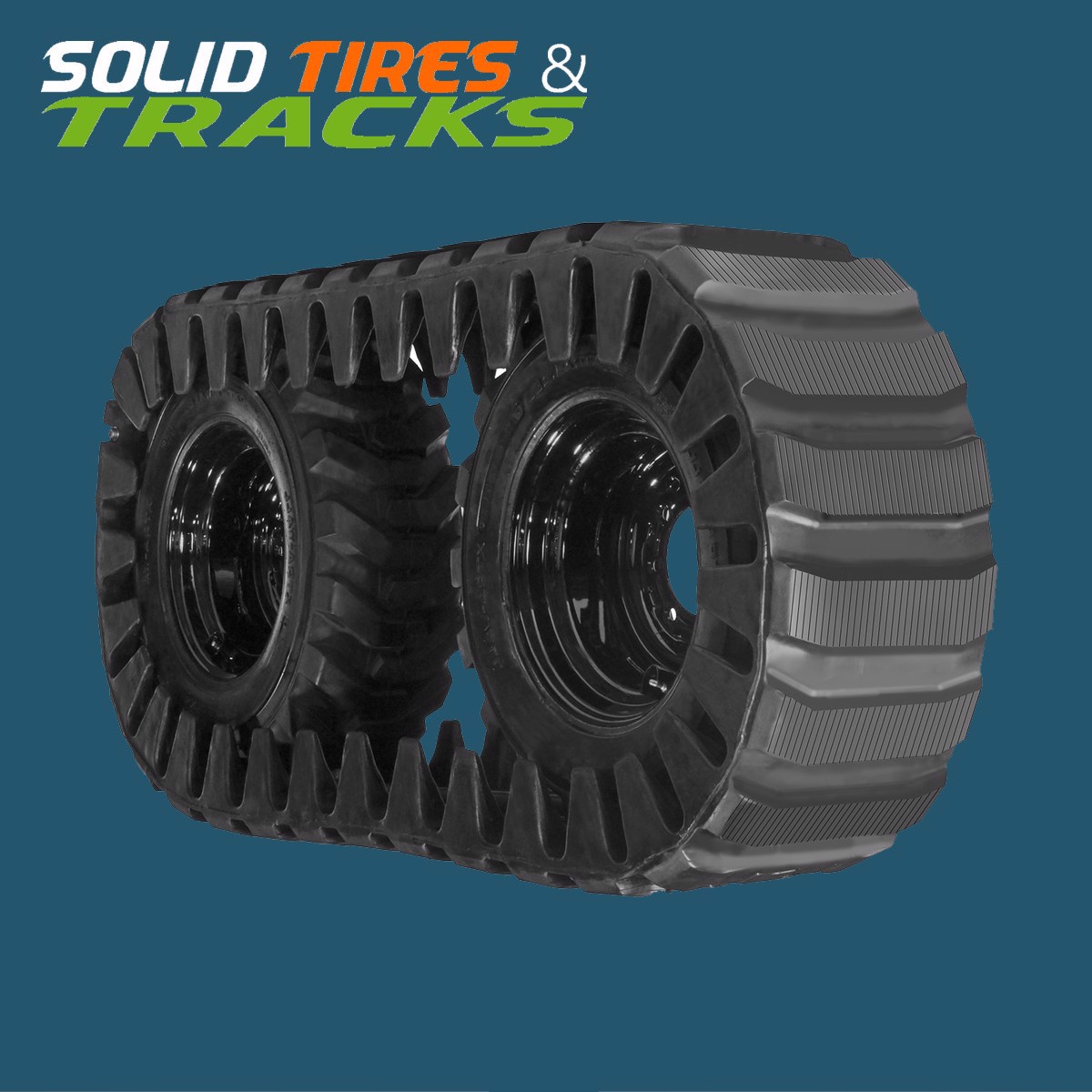
Step 1: Verify Machine Clearance and Specifications
Manufacturers emphasize checking fender clearance, hydraulic lines, and tire sizing before purchasing. Standard pneumatic tires must be inflated to exact operating pressures during installation to maintain proper track tension.
Step 2: Procure the Necessary Installation Tools
Equip your maintenance crew with heavy-duty pry bars, a calibrated torque wrench, and a proper lifting jack rated for your machine’s operating capacity. Having these tools ready reduces setup time significantly.
Step 3: Execute the Step-by-Step Installation Process
- Position the skid steer on a flat, hardened concrete surface and engage the parking brake.
- Safely elevate the machine using an industrial-grade floor jack and secure it with heavy-duty jack stands.
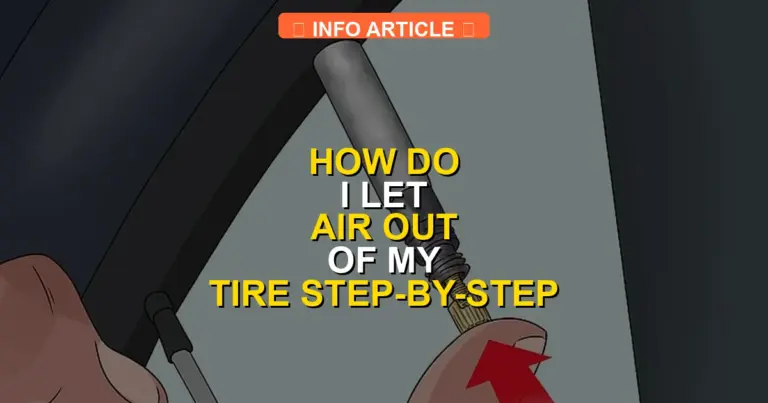
- Reduce the air pressure in all four tires by approximately 10 to 15 PSI to allow easier track positioning.
- Lay the OTT track flat on the ground beside the machine, aligning the inner guides with the tire tread.
- Use a loader or heavy-duty strap to drape the track over the top of the dual tires.
- Drive the machine slowly backward or forward to roll the remaining track underneath the wheels.
- Connect the master pin or tensioning link securely, following the exact torque specifications provided by the manufacturer.
- Inflate the tires back to their recommended operating pressure to achieve the final required track tension.
Best Practices for over the tire skid steer tracks
Maximizing the lifespan of your over-the-tire skid steer tracks demands strict adherence to operational best practices. Industry data shows that proper maintenance routines can extend track longevity by up to 40 percent, significantly reducing overall equipment ownership costs.
Monitor Tension Regularly
Inspect track tension weekly or every 50 hours of operation. Loose tracks risk derailing during sharp turns, while overly tight configurations strain the machine’s drive motors and axle bearings.
Adjust Driving Habits
Operators should minimize aggressive counter-rotation (spin turns) on high-friction surfaces like asphalt or concrete. Whenever possible, execute wide, sweeping turns to reduce lateral stress on the track links and side pins.
Maintain Proper Cleaning Protocols
Remove packed mud, clay, and debris from the track system at the end of every work shift. Accumulated frozen material or dried soil accelerates bushing wear and adds unnecessary weight, decreasing overall fuel efficiency.
What If It Still Doesn’t Work?
If your over-the-tire tracks continue to slip, throw links, or cause excessive machine vibration after standard adjustments, deeper mechanical issues may be present. Implement these troubleshooting fallback steps:
- Inspect the machine’s wheel bearings and drive hubs for play, as worn components cause uneven wheel alignment and track misalignment.
- Verify that your tires are not mismatched in brand, wear level, or outer diameter, which prevents the OTT track from sitting evenly.
- Check for bent or damaged side-pin connectors that prevent the track from maintaining its structural integrity under load.
- Consult a certified heavy equipment dealer or professional track service technician if structural frame modification or custom spacer installation is required. Professional diagnostic and repair services typically range from $150 to $400 per hour depending on labor rates.
Conclusion
Equipping your machinery with over-the-tire skid steer tracks provides an economical way to drastically improve traction and floatation on challenging terrain. By following precise installation protocols and adhering to strict maintenance schedules, operators can protect their drivetrain investments while boosting job site productivity. According to verified research and expert equipment studies, proactive daily inspections remain the single most effective method for preventing unexpected downtime. Make it a priority to check your track tension and clear accumulated debris before starting each workday.
❓ Frequently Asked Questions
What exactly is over the tire skid steer tracks?
over the tire skid steer tracks encompasses proven concepts and methodologies that help you achieve better results. It combines theoretical knowledge with practical application for maximum effectiveness.
How can over the tire skid steer tracks benefit me?
Understanding and applying over the tire skid steer tracks principles improves your skills, opens new opportunities, and helps you achieve your goals more efficiently.
What resources do I need to get started?
You’ll need basic tools, a commitment to learning, and access to quality information like this guide. Start with fundamentals before advancing to complex topics.
Is this suitable for complete beginners?
Absolutely! This guide is designed to take you from beginner to proficient. Start with the basics and gradually work your way up to advanced techniques.
How do I measure my progress?
Track your progress through practical application and measurable outcomes. Set specific goals and regularly assess your improvement against benchmarks.
Where can I learn more after this guide?
Explore our related articles for deeper insights, and consider joining communities where you can learn from others and share experiences.