A recurring flat tire usually indicates a hidden slow leak caused by a tiny puncture, damaged valve stem, or corroded wheel rim. Finding and fixing the exact source stops the endless cycle of losing pressure and keeps you safe on the road.
If you keep pumping up the exact same tire every few days, you are likely dealing with a hidden, persistent leak rather than a simple one-time puncture. When a tire loses air repeatedly, the culprit is rarely a massive nail you can see from across the driveway; instead, it is usually a compromised valve stem, micro-corrosion on the wheel rim, or a deteriorating tire bead.
Ignoring a slow leak wastes fuel and creates uneven tread wear that can ruin a $200 tire prematurely. By mid-2026, tire pressure monitoring systems (TPMS) are more sensitive than ever, meaning your dashboard light will persistently alert you to pressure drops as small as 2 PSI. Pinpointing the root cause now saves you from an unexpected roadside emergency.
Key Takeaways
- Check for hidden punctures using a simple soapy water spray test at home.
- Faulty valve cores or loose valve stems are frequent causes of slow pressure loss.
- Corrosion or dirt on the wheel rim can break the bead seal, leaking air.
- Temperature drops naturally reduce tire pressure by about 1-2 PSI per 10 degrees.
- Punctures on the tire sidewall cannot be safely repaired and require replacement.
What Causes My Tire to Keep Losing Air
When an obvious nail or screw is not the issue, a recurring flat tire usually points to mechanical or environmental failures around the wheel assembly. Modern wheels and tires face severe stress from potholes, road salt, and extreme temperature fluctuations.
Valve Stem Failures and Core Leaks
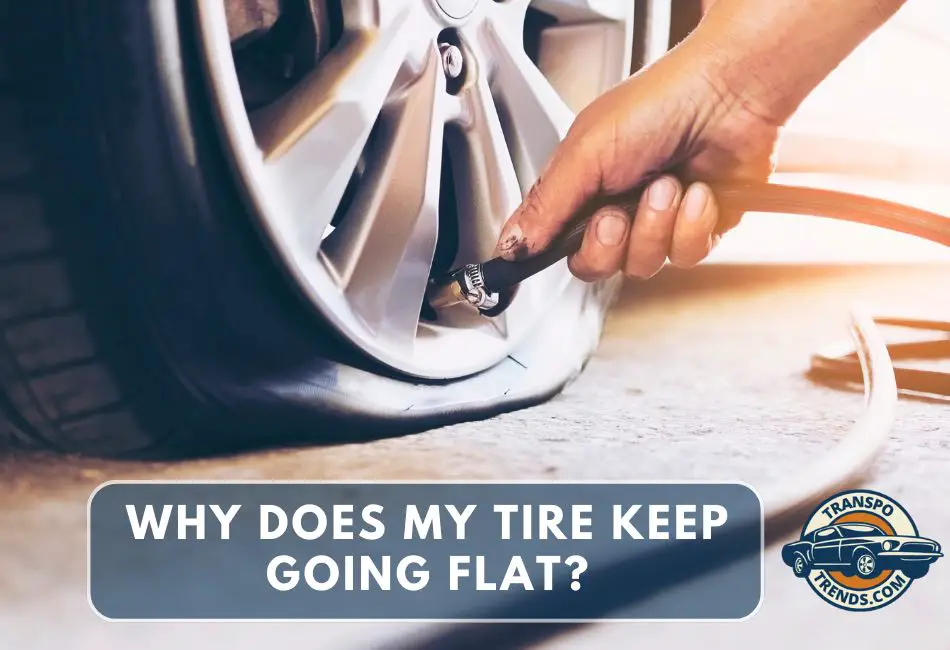
The valve stem is a tiny component that takes a massive beating from centrifugal force and weather. Over time, rubber valve stems dry out, crack, and leak air around the rim hole. Alternatively, the internal brass valve core can loosen, or get jammed open by microscopic dirt particles.
- Rubber degradation: Standard rubber valve stems typically dry-rot within 3 to 5 years, which often coincides with the lifespan of your tires.
- Missing valve caps: Without a proper cap, road salt and moisture enter the core, causing corrosion and slow air seepage.
- TPMS sensor seals: Modern vehicles with direct TPMS use a rubber O-ring seal at the base of the sensor nut that can degrade and leak air.
Bead Leaks and Rim Corrosion
The tire bead is the thick rubber edge that presses tightly against the metal wheel rim to create an airtight seal. If corrosion builds up on the inside lip of your aluminum or steel wheel, the gap breaks the seal, allowing air to escape.
- Aluminum wheel oxidation: White, powdery corrosion frequently forms under the tire bead on alloy wheels, especially in regions that use heavy winter road salt in 2026.
- Impact damage: Hitting a deep pothole can slightly bend the metal rim, breaking the airtight seal between the wheel and the tire bead.
- Debris buildup: Old tire sealant residue or dried road grime trapped during a previous installation can prevent a flush fit.
How to Find a Slow Leak with the Soapy Water Test
You do not need an expensive diagnostic machine to track down a stubborn, invisible leak. The classic soapy water test remains the most reliable DIY method for spotting microscopic air escapes at home.
Mixing and Applying the Detection Solution
Creating the right mixture ensures that even the smallest pinhole leak will generate distinct, growing bubbles. Avoid using harsh dish soaps at maximum concentration, as some formulas can leave a residue that degrades rubber over time.
- The mix: Combine a few drops of dish soap with regular tap water in a standard spray bottle and shake gently.
- Preparation: Inflate your tire to its recommended PSI (found on the doorjamb sticker) so there is enough internal pressure to force air through the leak.
- Application: Spray the entire tread face, the entire sidewall, the inner and outer wheel rim edge, and the valve stem liberally.
Reading the Bubbles to Locate the Problem
Once sprayed, watch the wet surfaces closely for 60 to 90 seconds. Slow leaks take time to build up enough air volume to create noticeable reactions.
- Growing foam: If you see a cluster of tiny bubbles rapidly expanding into a frothy foam, you have found your leak path.
- Valve stem check: Spray inside the open valve stem opening (without the cap) to see if bubbles form directly out of the core.
- Rim line inspection: Pay close attention to where the rubber meets the metal wheel; continuous bubbling here confirms a bead leak.
Step-by-Step Guide to Fixing Valve Stem and Bead Leaks
Not every flat tire is caused by a nail in the tread. According to automotive safety reports from the Rubber Manufacturers Association, a significant percentage of chronic air loss stems from faulty valve components or compromised wheel beads. Addressing these issues requires a targeted approach.

How to Fix a Leaking Valve Stem
- Remove the valve cap and apply a soapy water mixture directly to the top of the valve stem opening to check for bubbling.
- Use a standard four-way valve tool to tighten the valve core inside the stem, as loose cores are a primary culprit.
- If bubbles persist after tightening, unscrew the old valve core completely and replace it with a new one—a part that typically costs under $5 for a pack of ten.
- Inspect the exterior rubber of the valve stem for dry rot or cracks, and take the vehicle to a tire shop for a complete stem replacement if physical damage is present.
How to Fix a Leaking Tire Bead
- Locate bead leaks by spraying the seam where the rubber tire meets the metal wheel rim with soapy water.
- Note the severity of the leak, keeping in mind that bead leaks are frequently caused by rust, corrosion, or accumulated road debris on the rim edge.
- Safely deflate the tire completely if attempting a temporary roadside fix, though complete repair requires breaking the bead.
- Visit a professional service technician to dismount the tire, wire-brush the wheel flange clean, and apply a specialized bead sealer to ensure an airtight seal for 2026 driving conditions.
What If It Still Doesn’t Work?
If your tire continues to lose pressure after patching a puncture, replacing the valve core, and cleaning the bead, a deeper underlying issue is likely at play. Persistent air loss requires targeted fallback steps to resolve permanently.
- Inspect the wheel rim closely for micro-cracks or structural damage caused by hitting deep potholes, which often require professional welding or complete wheel replacement.
- Check for internal tire damage or belt separation that compromises the inner liner, rendering standard patches ineffective.
- Take the assembly to a certified tire service center for a high-pressure dunk tank test to isolate microscopic leaks invisible to standard soap tests.
- Prepare for professional replacement costs, which typically range from $150 to $300 for a new alloy wheel or $150 to $350 for a replacement passenger tire, depending on vehicle specifications.
Conclusion
Dealing with a tire that repeatedly goes flat disrupts your schedule and poses serious safety risks on the road. Pinpointing the root cause—whether it is a hidden puncture, a faulty valve core, or wheel corrosion—allows you to apply the correct repair method immediately. According to verified research and expert sources from leading automotive safety organizations, regular pressure checks and prompt professional intervention prevent premature tire failure. Your actionable next step is to perform a soapy water test on your tire today to identify the exact leak source before your next commute.
❓ Frequently Asked Questions
Why does my tire keep going flat even after getting patched?
If a tire goes flat again after patching, the original puncture may have been missed, the patch failed to seal, or you have a completely separate issue like a leaking valve stem or rim corrosion.
What is a tire bead leak and how does it happen?
A bead leak happens when air escapes through the gap between the rubber tire and the metal wheel rim. This is often caused by rust, dirt, corrosion, or hitting a severe pothole that bends the rim.
Can a loose valve stem cause a flat tire?
Yes, a loose or deteriorated valve core will slowly bleed air out of the tire over several hours or days without any visible puncture on the tread.
How can I tell the difference between a puncture and a temperature drop?
A temperature drop affects all four tires relatively equally, usually dropping just a few PSI. A severe leak or flat will isolate itself to just one tire and cause it to lose significant pressure repeatedly.
Is it safe to use a can of fix-a-flat permanently?
No, aerosol tire sealant is designed strictly as a temporary emergency measure to get you to a repair shop. Leaving it inside the tire long-term can ruin your tire pressure sensors and imbalance the wheel.
How long does a tire patch last?
A professionally installed interior plug-patch combination can easily last the remaining lifespan of the tire, often tens of thousands of miles.