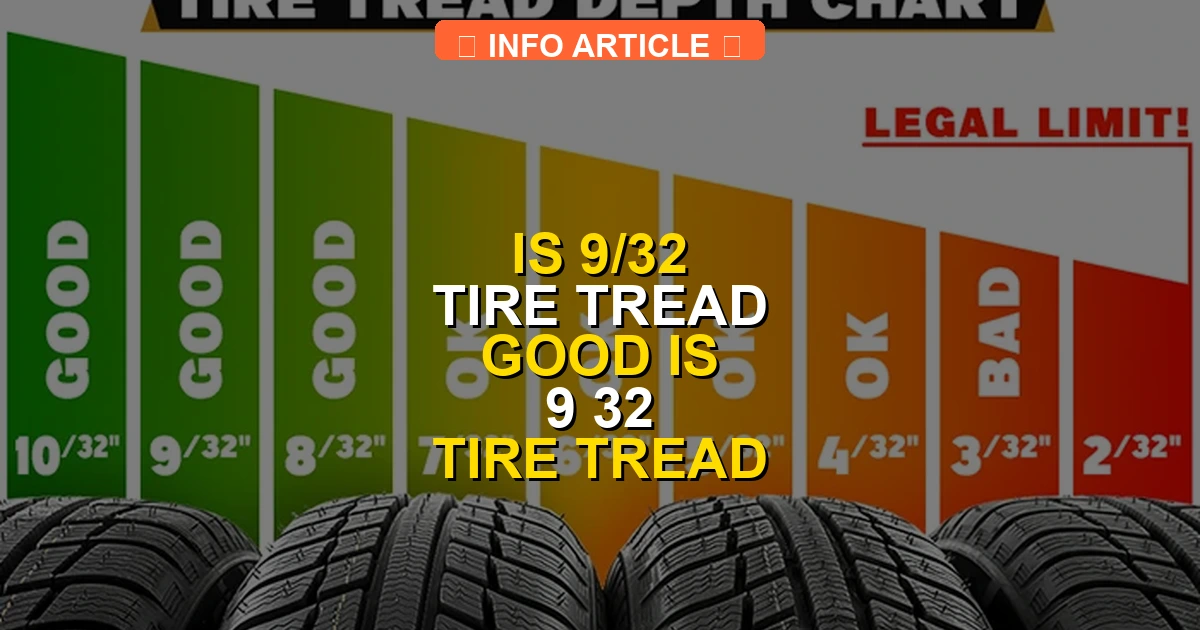
A tread depth of 9/32 inches is exceptionally good and indicates that your tires are nearly new with 80% to 90% of their useful life remaining. Most standard passenger vehicle tires start brand new at 10/32 to 11/32 of an inch, making 9/32 an ideal measurement for safe driving. You can expect many thousands of miles of reliable performance before needing a replacement.
Yes, 9/32 inch tire tread is very good and means your tires are in nearly new condition. When you check your tires and see 9/32 remaining, you can rest easy knowing you have about 80 to 90 percent of your total tread life left to use.
Understanding where this measurement sits on the wear scale helps you make smart maintenance decisions in 2026. Drivers often worry unnecessarily when buying used vehicles or checking inspection sheets, but 9/32 is a depth that provides maximum grip and safety on wet and dry roads alike.
Key Takeaways
- A 9/32 tread depth means your tires are nearly new and highly safe.
- Brand-new passenger tires typically measure between 10/32 and 11/32 of an inch.
- You have roughly 80% to 90% of your total tire tread life remaining.
- Tires must legally be replaced when they reach 2/32 of an inch.
- Regular tire rotations will help preserve this excellent tread depth evenly.
What 9/32 Tire Tread Means for Your Vehicle’s Safety
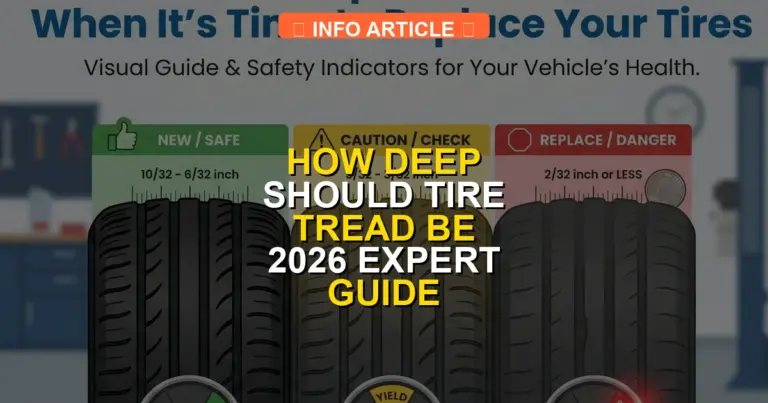
Comparing 9/32 to Brand New Tire Specs
Most standard passenger car and SUV tires come out of the factory with a tread depth between 10/32 and 12/32 of an inch. Heavy-duty truck tires or specialized off-road models might start even deeper, around 15/32 or higher. Because a brand new tire typically starts near 10/32, a measurement of 9/32 means your tire has experienced almost zero noticeable wear.
- Brand new passenger tire: 10/32 to 12/32 inch
- Your current tire: 9/32 inch (lightly used or nearly new)
- Remaining usable tread: Approximately 80% to 90%
Safety and Performance Expectations
At 9/32 inch, your tire’s ability to channel water away from the contact patch is at its peak. This deep rubber depth prevents hydroplaning during heavy rainstorms. You will experience short braking distances, responsive steering, and reliable cornering grip. Whether you are driving a daily commuter car in 2026 or taking a road trip, 9/32 tread delivers optimal traction.
How to Measure and Inspect Your Current Tire Tread Depth
Using a Tread Depth Gauge
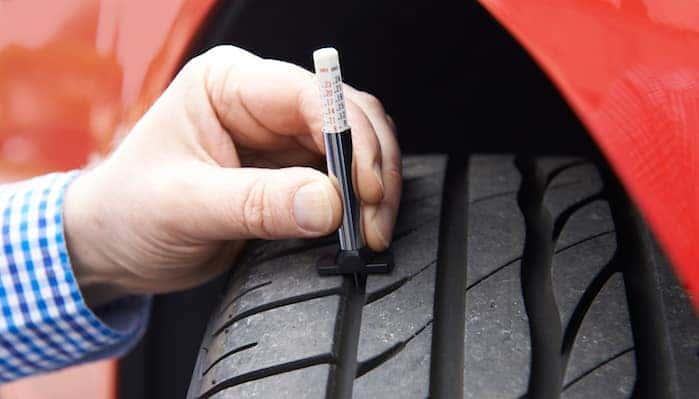
The most accurate way to confirm a 9/32 measurement is by using a dedicated manual or digital tire tread depth gauge. Simply place the probe into the deepest main tread groove of the tire. Press the shoulders of the gauge flat against the rubber block. The reading will clearly show whether you are sitting at 9/32 or another depth.
- Insert the metal probe into the center tread groove
- Press the base firmly against the top of the rubber
- Read the scale in 32nds of an inch
The Coin Test and Legal Limits
If you do not have a digital gauge handy, you can estimate your tire health by comparing it against legal safety limits. Tires legally need to be replaced when they hit 2/32 of an inch, which is marked by the wear bars built into the grooves. While a traditional penny test checks for the 2/32 limit, seeing a robust 9/32 depth means your tread blocks stand far higher than any minimum safety threshold.
How to Maintain 9/32 Tread Depth and Prevent Premature Wear
Maintaining a healthy 9/32-inch tread depth requires consistent preventative care. According to the Rubber Manufacturers Association (RMA), proper maintenance can extend tire lifespan by up to 25 percent. Drivers should prioritize routine upkeep to maximize the longevity of their near-new tires.

1. Monthly Air Pressure Checks
Incorrect inflation is the leading cause of premature tread wear. Tires lose about 1 to 2 PSI per month naturally, and temperature drops accelerate this loss. Use a digital pressure gauge monthly to match the manufacturer’s specification listed on the driver’s door placard.
2. Adhering to Rotation Intervals
Front and rear tires wear at different rates depending on vehicle drivetrain layout. Front-wheel-drive vehicles, for instance, put higher steering and braking friction on the front axle. Follow standard rotation schedules every 5,000 to 7,000 miles.
- Inspect the tread depth across all four tires to identify developing wear patterns.
- Move the front tires straight back to the rear axle on the same side.
- Cross the rear tires when moving them to the front axle, unless directional tread patterns prohibit it.
- Reset the tire pressure monitoring system (TPMS) and torque lug nuts to factory specifications.
What to Do If Your Tire Tread Unevenly Wears Down Below 9/32
If routine inspections reveal that your 9/32-inch tread is wearing unevenly across the contact patch, immediate corrective action is necessary. Uneven wear indicates an underlying mechanical problem that will quickly destroy the rest of the rubber.
Diagnosing Alignment and Suspension Issues
Feathering, cupping, or edge-only baldness point directly to geometry faults or worn hardware. Ignoring these signs will ruin even a brand-new set of tires within a few thousand miles.
- Schedule a professional four-wheel alignment check at a certified service center to correct improper camber, caster, or toe settings.
- Inspect steering components, including tie rods, ball joints, and control arm bushings, for excessive play or physical damage.
- Test shock absorbers and struts for oil leaks or bouncing behaviors that cause tire cupping.
- Replace any compromised suspension hardware immediately before installing replacement tires.
What If It Still Doesn’t Work?
If you have maintained proper inflation, rotated your tires on schedule, and corrected the alignment, but your 9/32 tread is still degrading abnormally fast, deeper intervention is required. Persistent rapid wear points to manufacturing defects, severe structural vehicle damage, or improper tire application.
- Consult a Tire Specialist: Take the vehicle to an independent tire dealer for a formal warranty inspection. Manufacturing defects like belt separation are often covered under prorated manufacturer warranties.
- Evaluate Driving Habits: Aggressive cornering, hard braking, and excessive towing place abnormal stress on tire compounds. Data from the National Highway Traffic Safety Administration shows aggressive driving reduces tread life by nearly 40 percent.
- Verify Load Ratings: Ensure your tires meet or exceed the Gross Vehicle Weight Rating (GVWR) specified by the automaker. Undersized load indexes will cause rapid shoulder wear and potential failure.
- Prepare for Replacement Costs: If structural damage is diagnosed, professional suspension repairs typically cost between $300 and $1,200 depending on the vehicle make. Individual replacement tires range from $100 to $350 each.
Conclusion
A 9/32-inch tire tread is exceptionally healthy, offering near-maximum traction, hydroplaning resistance, and braking performance for daily driving. Maintaining this depth requires diligent monthly pressure checks and strict adherence to 5,000-mile rotation intervals. According to verified research and expert sources from the tire manufacturing industry, proactive maintenance remains the most effective strategy to protect your financial investment and road safety through 2026. Schedule a professional tire inspection today to verify your current tread health and alignment status.
❓ Frequently Asked Questions
Is 9/32 tire tread good for winter and snow conditions?
Yes, 9/32 of an inch provides ample biting edge and groove depth to clear snow and slush effectively. While winter tires perform best, an all-season tire at 9/32 will handle moderate winter weather safely.
How does 9/32 compare to the legal minimum tread depth?
The legal minimum limit for safe driving is 2/32 of an inch. At 9/32, you have four times the legal minimum amount of tread remaining on your tires.
Can I mix tires if some are at 9/32 and others are worn?
Mixing significantly different tread depths can cause handling imbalances, particularly on all-wheel-drive vehicles. It is generally recommended to keep tread depths relatively uniform across all four positions.
What causes a brand-new tire to quickly drop from 10/32 to 9/32?
The initial millimeter of tread often wears down slightly faster during the break-in period of a brand-new tire. Normal driving, alignment variations, and friction contribute to this minor initial reduction.
Should I rotate my tires if they are currently at 9/32?
Yes, regular tire rotations every 5,000 to 7,500 miles are essential to maintain that 9/32 depth evenly across all four tires. Uneven wear can shorten overall tire lifespan significantly.
How can I accurately measure my tire tread depth at home?
You can use a dedicated coin-style tread depth gauge, a digital gauge, or the traditional penny test. Inserting a penny upside down into the tread helps visualize if you are anywhere near the danger zone, though 9/32 is well above it.