For enthusiasts and everyday drivers alike, understanding the intricate markings on a tire’s sidewall is paramount to vehicle performance and safety. Among these symbols, the ‘Z’ rating often sparks confusion, leading many to question its precise meaning and significance in modern tire sizing. This expert guide will demystify the ‘Z’ in tire size, providing a comprehensive overview of its historical context, current interpretation, and critical role in selecting the right high-performance tires for your vehicle in 2026 and beyond.
Decoding the Tire Sidewall: Understanding the Complete Tire Size Code
As a seasoned professional in the automotive industry for over 15 years, I’ve seen countless drivers overlook the wealth of critical information etched into their tire sidewalls. Understanding these markings isn’t just for tire specialists; it’s fundamental for ensuring optimal vehicle dynamics, safety, and reliability. The alphanumeric code on a tire’s sidewall is a precise language detailing its design, dimensions, and performance capabilities. To properly understand where the ‘Z’ fits, we must first decipher the entire sequence.
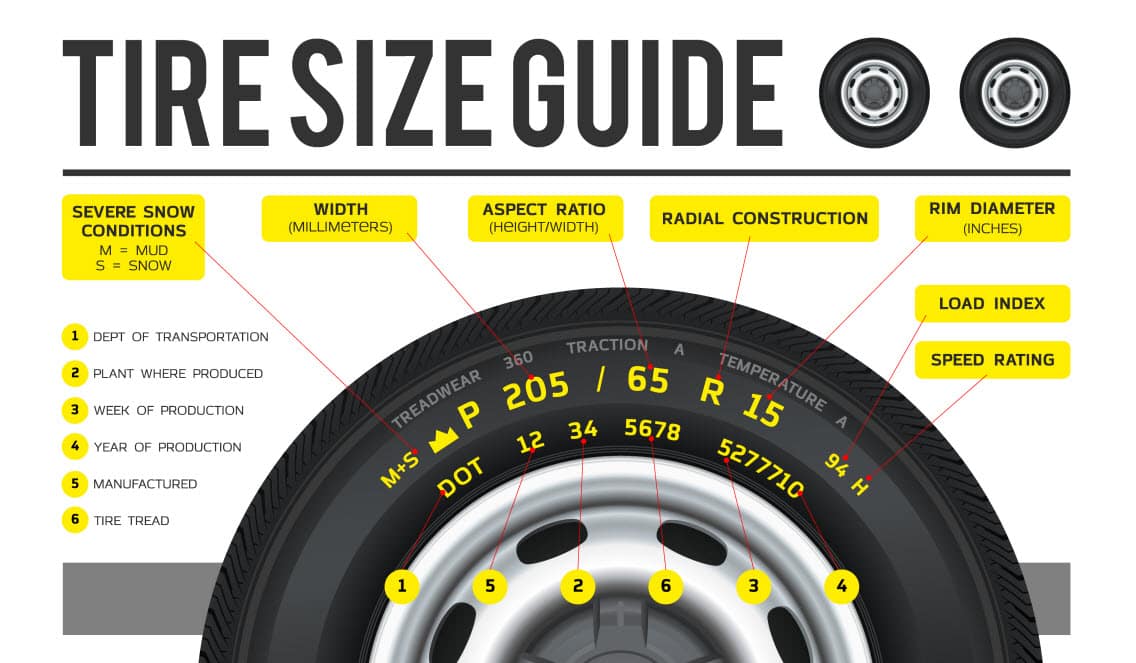
Let’s consider a common tire size you might encounter: P225/45R17 91W. Each segment carries significant meaning:
- P (Tire Type): Denotes a Passenger car tire. Other common prefixes include LT for Light Truck tires (e.g., LT235/85R16 120/116Q) or no prefix for metric (Euro-metric) passenger car tires.
- 225 (Tread Width): Indicates the tire’s width in millimeters, measured from sidewall to sidewall, in this case, 225 mm.
- 45 (Aspect Ratio): Represents the sidewall height as a percentage of the tire’s width. Here, the sidewall height is 45% of 225 mm. A lower number signifies a shorter sidewall, often found on performance tires.
- R (Construction Type): Stands for Radial construction, which is standard for virtually all modern vehicle tires due to its superior ride quality and durability. Bias-ply tires are rare today.
- 17 (Rim Diameter): The diameter of the wheel (rim) that the tire is designed to fit, measured in inches. So, this tire fits a 17-inch rim.
- 91 (Load Index): This numerical code indicates the maximum weight capacity a single tire can support when properly inflated. A load index of 91 typically translates to 1,356 pounds (615 kg) per tire. For light truck tires like LT235/85R16 120/116Q, the dual numbers indicate capacities for single and dual rear wheel applications.
- W (Speed Rating): This alphabetical code specifies the maximum speed at which the tire can safely carry its load index under specific conditions. In our example, ‘W’ indicates a maximum speed of 168 mph (270 km/h). This is where the ‘Z’ rating discussion becomes highly relevant.
Beyond these primary markings, you’ll also find information about the Uniform Tire Quality Grading (UTQG) system (treadwear, traction, temperature), manufacturing date, and Department of Transportation (DOT) compliance. Understanding these comprehensive markings is critical for professional tire selection and maintenance, ensuring that your vehicle maintains its optimal handling, braking, and overall road-holding quality.

What Does The Z Mean in Tire Size? The Evolution of Speed Ratings
The ‘Z’ in a tire size, particularly as we look to 2026, holds a fascinating place in the evolution of tire technology and performance classification. Historically, the ‘Z’ speed rating was introduced as an early and crucial indicator for high-performance tires. When vehicle speeds began to push beyond the capabilities of existing tire classifications, the need for a new benchmark became apparent. At its inception, ‘Z’ definitively denoted a tire capable of sustained speeds exceeding 149 mph (240 km/h).
This rating emerged in an era when sports cars and performance vehicles were rapidly advancing, routinely achieving speeds that would severely stress conventionally rated tires. Prior to ‘Z’, the highest common rating was ‘V’, limited to 149 mph. However, as cars like the Porsche 911 or Ferrari Testarossa became more prevalent, their capabilities far outstripped the ‘V’ rating. The ‘Z’ filled this critical void, establishing a new tier for ultimate speed and performance. Industry standards bodies, including the European Tyre and Rim Technical Organisation (ETRTO) and The Tire and Rim Association, Inc. (TRA) in North America, formalized these classifications, ensuring global consistency for quality and safety.
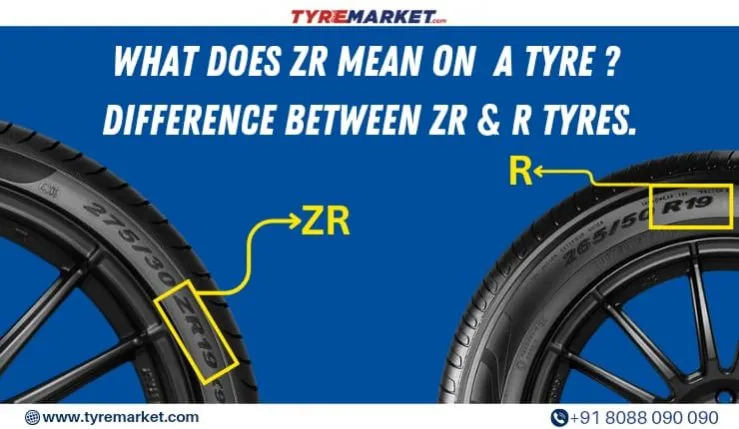
Initially, ‘Z’ was a standalone rating. If a tire had a ‘Z’ in its designation (e.g., P205/55ZR16), it simply meant it was engineered for speeds above 149 mph, without a more specific upper limit. This provided manufacturers with flexibility and indicated a tire built with higher-grade materials and construction to handle the immense forces generated at such speeds – forces that could lead to dangerous overheating and structural failure in lesser tires. Over time, however, as vehicle performance continued its relentless ascent, the broad ‘Z’ category proved insufficient. This led to its evolution from a standalone rating to a prefix for even more precise, modern speed ratings like ‘W’ and ‘Y’, providing the nuanced clarity high-performance driving demands in 2026.

Beyond Z: Understanding Contemporary High-Performance Speed Ratings (W and Y)
As automotive technology progressed, the blanket ‘Z’ rating, signifying “over 149 mph,” became too broad for the increasingly sophisticated world of high-performance and supercar engineering. By the early 1990s, precise speed capabilities were needed. This led to the introduction of more specific speed ratings: W and Y, which are now commonly found in conjunction with, or as a replacement for, the standalone ‘Z’.
In contemporary tire sizing, especially relevant for vehicle models released by 2026, the ‘Z’ often acts as an indicator that a tire is built for speeds generally above 149 mph, while the subsequent ‘W’ or ‘Y’ provides the exact, tested maximum speed. For example:
- A tire marked P245/40ZR18 97W means it’s a Z-rated tire with a specific maximum speed of 168 mph (270 km/h). The ‘Z’ here essentially reinforces its high-performance nature.
- Similarly, a tire designated P245/40ZR18 97Y indicates a maximum speed of 186 mph (300 km/h). This is a significant leap in sustained speed capability.
This evolution highlights the commitment of tire manufacturers to providing reliable, expert-engineered products that precisely match the capabilities of modern vehicles. The rigorous testing required for these classifications ensures that the quality and structural integrity of the tire can withstand immense thermal and centrifugal forces.
For the absolute pinnacle of performance, you might encounter the (Y) in parentheses. This designation, such as P245/40ZR18 97(Y), signifies a tire capable of speeds exceeding 186 mph (300 km/h). This elite classification is reserved for tires designed for hypercars and extreme performance vehicles, where even 186 mph isn’t the absolute limit. It demonstrates an expert level of engineering, pushing the boundaries of material science and tire construction. It’s a clear signal that the tire has been developed for highly specialized applications, where precise speed control and unparalleled grip are paramount.
By The Numbers
Original ‘Z’ Rating
‘W’ Speed Rating
‘Y’ Speed Rating
‘(Y)’ Speed Rating
Critical Implications of Speed Ratings: Safety, Performance, and Compliance
The speed rating on a tire is far more than a simple performance metric; it’s a critical safety feature that impacts every aspect of your vehicle’s integrity and road-holding capability. As a professional, I cannot overstate the importance of matching your tires’ speed ratings to your vehicle’s requirements.
Using tires with an inadequate speed rating can lead to catastrophic failure. At sustained high speeds, tires flex, generate heat, and experience immense centrifugal forces. Tires not designed for these conditions can overheat rapidly, leading to tread separation, blowouts, or sudden tire failure. Research indicates that tire-related issues, often linked to improper selection or maintenance, contribute to a significant percentage of accidents, emphasizing the need for quality and trusted components. According to some analyses, incorrect tire specifications can be a factor in up to 11% of tire-related accidents, underscoring the vital role of correct speed ratings.
Moreover, an incorrect speed rating severely compromises the expert engineering of your vehicle. A tire’s speed rating is intrinsically linked to its construction, compound, and ability to maintain structural integrity under load and at speed. Downgrading to a lower speed rating, even if you never intend to reach the tire’s maximum speed, can negatively impact:
- Vehicle Handling: Lower speed-rated tires typically have softer sidewalls and less robust construction, leading to reduced steering response and a “mushy” feel.
- Stability: The vehicle may feel less stable, particularly during cornering or evasive maneuvers, undermining its dynamic capabilities.
- Braking Performance: While not immediately intuitive, the tire’s construction and compound affect its ability to dissipate heat and maintain grip during hard braking, especially from high speeds.
Never install tires with a speed rating lower than what is specified by your vehicle manufacturer. Doing so can void your vehicle’s warranty, lead to significant safety risks including sudden tire failure, and may result in legal and insurance complications in the event of an accident. Always prioritize the manufacturer’s recommendations for optimal safety and performance.
Beyond performance and safety, there are significant legal ramifications and potential insurance issues. Many vehicle manufacturers explicitly state that using tires with a lower speed rating than recommended is considered a modification that could void warranties or be deemed negligent in an accident scenario. This emphasizes the professional responsibility drivers and tire installers have to adhere to specifications. For instance, putting an H-rated tire (130 mph) on a vehicle requiring a Z(W) or Z(Y) rated tire could be a recipe for disaster if the vehicle is ever operated near its design limits, leading to potential catastrophic failure and severe liability.
Selecting the Right Performance Tire: Matching Z-Ratings to Your Driving Needs
Choosing the correct tire, particularly when it comes to high-performance Z-rated options, is a decision that impacts safety, performance, and your wallet. As a trusted expert, I always advise a methodical approach to ensure you select tires that are not only suitable for your vehicle but also for your specific driving habits and conditions.
1. Consult OEM Specifications
Your first and most reliable source of information is always your vehicle’s owner’s manual or the tire placard located on the driver’s side door jamb, glove compartment, or fuel filler flap. This placard will list the Original Equipment Manufacturer (OEM) recommended tire specifications, including the exact size, load index, and speed rating (e.g., P245/40ZR18 97Y). Adhering to these specifications is crucial for maintaining the vehicle’s designed handling characteristics and safety systems. Never deviate from these recommendations without professional consultation.
2. Assess Your Driving Habits and Conditions
While OEM specifications are paramount, your driving style also plays a role. Are you a spirited driver who frequently pushes your vehicle’s performance limits? Do you occasionally take your sports car to the track? Or is your vehicle primarily used for daily commuting with only occasional bursts of speed? For instance, a driver with a high-performance sports car who regularly engages in track days might genuinely need the precise capabilities of a Z(Y) rated tire. Conversely, a driver with the same vehicle used strictly for urban commuting might find a Z(W) rated tire sufficient, provided it meets or exceeds OEM specifications and maintains the required safety margins.
- Track Use: Demands the highest possible speed ratings and often specialized compounds.
- Spirited Road Driving: Requires tires that meet or slightly exceed OEM Z(W) or Z(Y) ratings for optimal grip and stability.
- Daily Commuting (Performance Vehicle): While still needing to meet OEM standards, there might be slight flexibility if the vehicle allows for Z(W) instead of Z(Y) and higher-speed scenarios are truly rare.
3. Understand the Implications of Changing Speed Ratings
The cardinal rule is never to downgrade your speed rating from the manufacturer’s recommendation. While upgrading to a higher speed rating (e.g., from Z(W) to Z(Y)) is generally permissible and even beneficial for performance, it comes with potential trade-offs:
- Ride Comfort: Higher speed-rated tires often have stiffer sidewalls for enhanced handling, which can result in a firmer, less comfortable ride.
- Tire Life: Performance compounds designed for extreme grip might wear faster than those optimized for longevity.
- Cost: Generally, tires with higher speed ratings incorporate more advanced materials and construction, leading to a higher price point. Industry data indicates Z-rated tires (including W, Y sub-categories) typically cost 15-30% more than H or V rated equivalents.
Always consult with a qualified tire professional. Their expertise can help you navigate the nuances of tire selection, ensuring the chosen tires align with your vehicle’s specific requirements, your driving style, and your budget, without compromising on safety or performance quality. A reliable professional can also advise on seasonal tire changes, which might involve different speed rating considerations for winter tires.
Making an informed decision about your tires is a crucial aspect of responsible vehicle ownership. Prioritizing the correct speed rating ensures not only compliance but, more importantly, the ongoing safety and intended performance of your vehicle for years to come.
The ‘Z’ in tire size signifies high-performance capabilities, historically denoting speeds over 149 mph. Modern ‘Z’ ratings are often combined with ‘W’ or ‘Y’ to indicate precise speed limits (168 mph and 186 mph, respectively) for enhanced clarity and safety. Selecting the correct speed-rated tire is crucial for vehicle safety, performance, legal compliance, and overall driving reliability. Always consult your vehicle’s specifications and professional advice when choosing performance tires to ensure quality and compatibility.
Ensure your vehicle’s performance and safety by always verifying tire speed ratings against manufacturer specifications. Consult with a trusted tire professional for expert advice on selecting the optimal tires for your driving needs and to maintain the highest quality of your vehicle’s handling.
Frequently Asked Questions
Does a ‘Z’ rated tire always mean it’s the fastest option?
Not necessarily. While ‘Z’ denotes high-performance (over 149 mph), it often acts as a general category. More specific ratings like ‘W’ (up to 168 mph), ‘Y’ (up to 186 mph), or even ‘(Y)’ (over 186 mph) provide the precise maximum speed. A tire marked ‘ZR’ without a specific W or Y means it is rated above 149 mph but the exact limit is unspecified, making the combined ratings more definitive.
Can I put ‘Z’ rated tires on a car that doesn’t require them?
Yes, you can generally put ‘Z’ rated tires on a vehicle that doesn’t strictly require them, provided all other tire specifications (size, load index) match the manufacturer’s recommendations. However, be aware that higher speed-rated tires can sometimes offer a stiffer ride, may wear faster, and typically come at a higher cost due to their advanced construction and quality materials. Always match or exceed the original equipment’s speed rating.
What happens if I use tires with a lower speed rating than ‘Z’ on a car that needs ‘Z’?
Using tires with a lower speed rating than what your vehicle manufacturer specifies, especially if it requires a ‘Z’ rating, is highly unsafe and not recommended. Such tires are not designed to withstand the heat and stress generated at the speeds or performance levels your vehicle is capable of. This can lead to rapid tire degradation, blowouts, loss of vehicle control, and potentially severe accidents. It may also void your vehicle’s warranty and insurance.
Is the ‘ZR’ designation the same as ‘Z’?
The ‘ZR’ designation refers to the tire’s construction (Radial) and its high-performance speed capability (Z-rating). It primarily indicates a radial tire built for speeds above 149 mph. While ‘ZR’ is historically correct, modern high-performance tires often include a specific speed rating (W, Y) after the load index (e.g., 225/45ZR17 91W). So, ‘ZR’ confirms it’s a Z-rated radial, but the additional letter provides more precise speed limits.
How do I find my vehicle’s recommended tire speed rating?
Your vehicle’s recommended tire speed rating, along with other critical tire specifications, can be found in a few reliable places. Check your vehicle’s owner’s manual, the placard located on the driver’s side door jamb, inside the glove compartment, or sometimes on the fuel filler door. These sources provide the original equipment specifications, which are crucial for maintaining professional standards of safety and performance.