A flat tire can transform a routine drive into an immediate roadside emergency, irrespective of the hour or location. Drivers frequently face the challenge of securing timely and reliable assistance for tire issues outside standard business hours, leading to stress, significant safety concerns, and costly delays. Understanding the nuances of emergency services is paramount. This comprehensive guide for 2026 will meticulously detail the operational aspects of 24/7 flat tire repair services. We will cover common causes, outline the precise process of obtaining professional help, and highlight essential considerations to ensure a swift, secure, and expert resolution to your tire crisis.
What Causes Flat Tires and Why Immediate 24/7 Repair is Crucial
As a seasoned expert with over 15 years in automotive services, I’ve witnessed firsthand the myriad ways a tire can fail. Understanding the root causes of a flat tire is the first step in appreciating the critical need for prompt, professional intervention. A flat tire isn’t just an inconvenience; it’s a significant safety hazard that can compromise vehicle integrity and lead to costly secondary damage if not addressed immediately.
Punctures from Road Debris
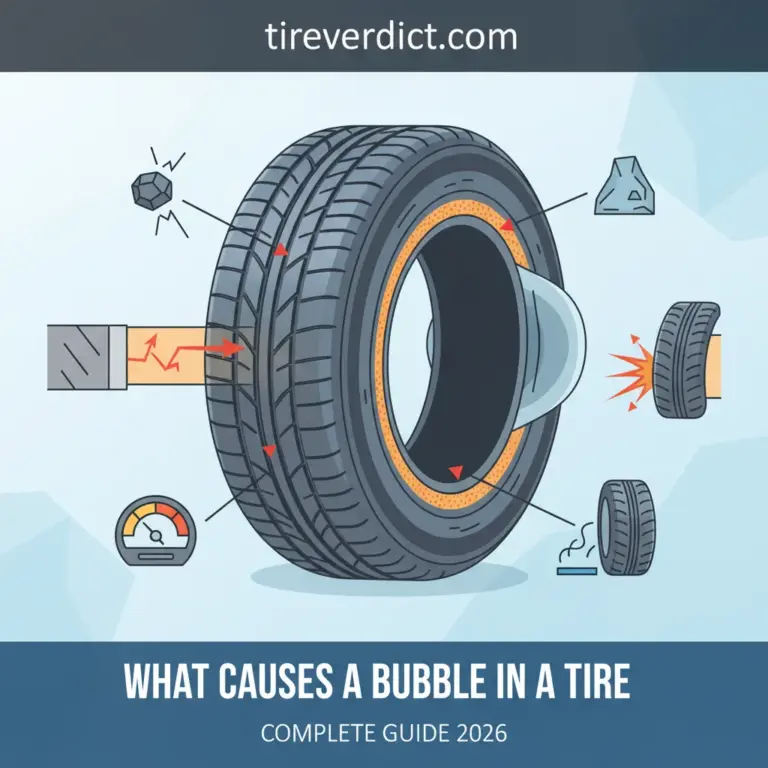
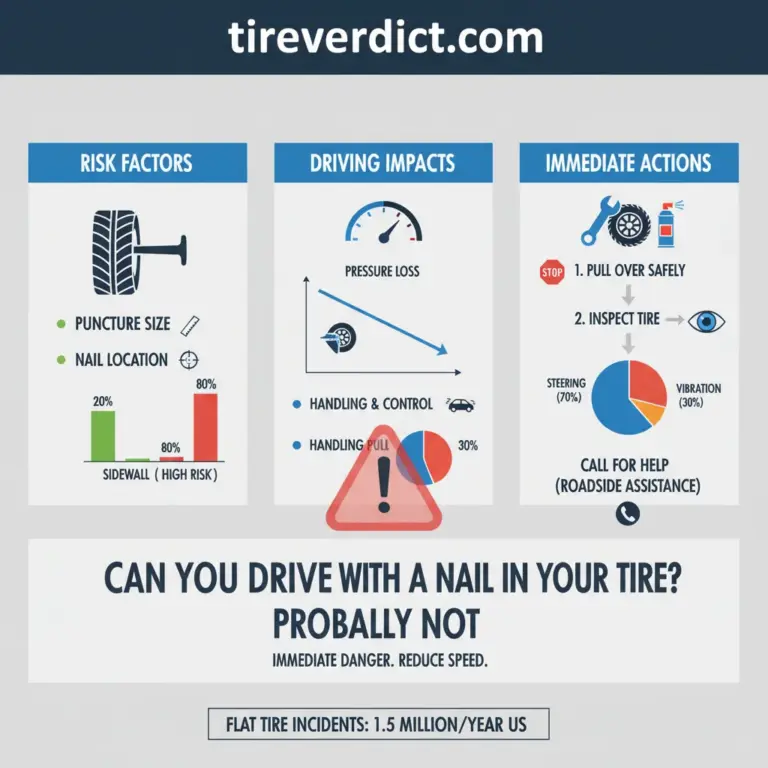
The most common culprit behind flat tires are foreign objects on the road. Nails, screws, glass shards, metal fragments, and even construction debris can penetrate the tire tread. This often leads to a gradual, slow air leak that might go unnoticed until the tire is significantly underinflated, or a rapid loss of pressure if the object creates a larger hole. Finding a screw in your tire after navigating a construction zone, for instance, is a classic scenario. According to industry statistics, over 80% of flat tires are caused by punctures from road debris, making this the dominant factor for unexpected tire failures.
Sidewall Damage and Blowouts
Unlike tread punctures, damage to a tire’s sidewall is almost universally non-repairable due to the structural stresses placed on this part of the tire. Impacts with curbs, sharp rocks, or particularly deep potholes can compromise the structural integrity of the sidewall, often leading to a sudden and dangerous blowout. Picture a sudden blowout after striking a deep pothole on a highway – this is a prime example of sidewall failure. In such cases, 24/7 flat tire repair services are critical, as the only solution is typically a full tire replacement, requiring specialized equipment and often towing.
Valve Stem Leaks and Bead Leaks
Less obvious, but equally problematic, are issues related to the tire’s interface with the wheel. Valve stem leaks can occur due to faulty or corroded valve stems, or even improper installation, leading to a slow, insidious loss of air pressure. Similarly, a bead leak occurs when the tire isn’t perfectly sealed against the wheel rim, often due to corrosion on the rim, improper mounting, or minor damage to the tire bead itself. These leaks often result in gradual pressure drops, requiring professional inspection to pinpoint the source. An example might be finding a slow leak traced back to a corroded valve stem that’s hard to spot initially.
Underinflation/Overinflation Effects
Maintaining correct tire pressure is not merely about performance; it’s a critical safety measure. Underinflation causes the tire’s sidewalls to flex excessively, generating immense heat and accelerating wear, significantly increasing the risk of a blowout. Conversely, overinflation makes a tire overly rigid and susceptible to impact damage from potholes or road debris, as it has less cushioning ability. A study by the NHTSA indicated that improper tire inflation contributes to approximately 11,000 crashes annually, underscoring its severe safety implications. Regardless of the cause, immediate and expert attention from a 24/7 flat tire repair service is paramount to mitigate risks and restore safe operation.
By The Numbers
Flats from Road Debris
Crashes Annually Due to Improper Inflation
Typical Mobile Repair Cost (2026 Estimate)
Average Roadside Response Time
Navigating 24/7 Flat Tire Repair Services: Your Step-by-Step Guide to Professional Assistance
When a flat tire strikes, particularly at an inconvenient hour, panic can set in. However, with a clear action plan and knowledge of how to access professional 24/7 flat tire repair services, you can efficiently resolve the situation. This guide provides a practical, step-by-step approach honed over years of industry experience.

📋
Step-by-Step Guide
Your first priority is always safety. As soon as you realize you have a flat, safely pull over to the furthest right shoulder or a secure, well-lit area away from traffic. Activate your hazard lights immediately. If it’s dark or visibility is poor, deploy flares or reflective triangles to alert oncoming traffic. Remain inside your vehicle if it’s safe to do so, especially on busy highways, until assistance arrives. Ensure you’re in a secure location where technicians can work without risk.
Once safe, reach out for expert assistance. Your options typically include:
- Roadside Assistance Programs: If you’re a member of AAA, AARP, or have coverage through your vehicle manufacturer (e.g., FordPass, OnStar), these are often your primary, most reliable contacts.
- Insurance Provider: Many auto insurance policies include roadside assistance as part of their comprehensive coverage.
- Independent Mobile Tire Repair Providers: A quick search for “24/7 mobile tire repair near me” on your smartphone can yield local, independent services. Look for trusted, reputable providers.
Have your membership number, policy details, and vehicle information ready to expedite the call.
Precise information ensures the correct equipment and technician are dispatched. Be prepared to provide:
- Exact Location: Use your smartphone’s GPS to give precise coordinates or cross streets. Example: Using a smartphone app to pinpoint your exact location for a dispatch center is highly effective.
- Vehicle Details: Make, model, year, and approximate color.
- Tire Size: Found on your tire’s sidewall (e.g., P205/55R16) and usually in your car’s manual or on a sticker in the driver’s door jamb. This is crucial for matching replacement tires.
- Description of Damage: “I hit a pothole and the tire instantly deflated” or “I found a nail in the tread and it’s slowly leaking.” This helps the technician prepare.
Mobile technicians are equipped to handle a range of scenarios. They can typically:
- Temporary Plugging: For small, central tread punctures, a temporary plug can get you to a shop.
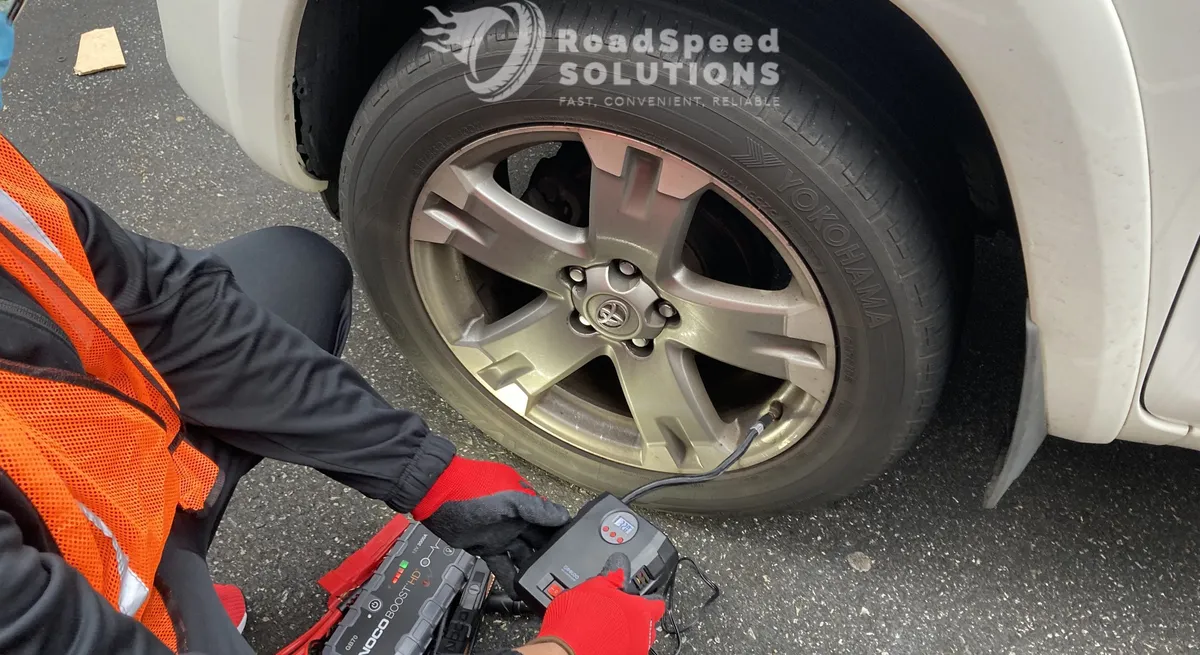
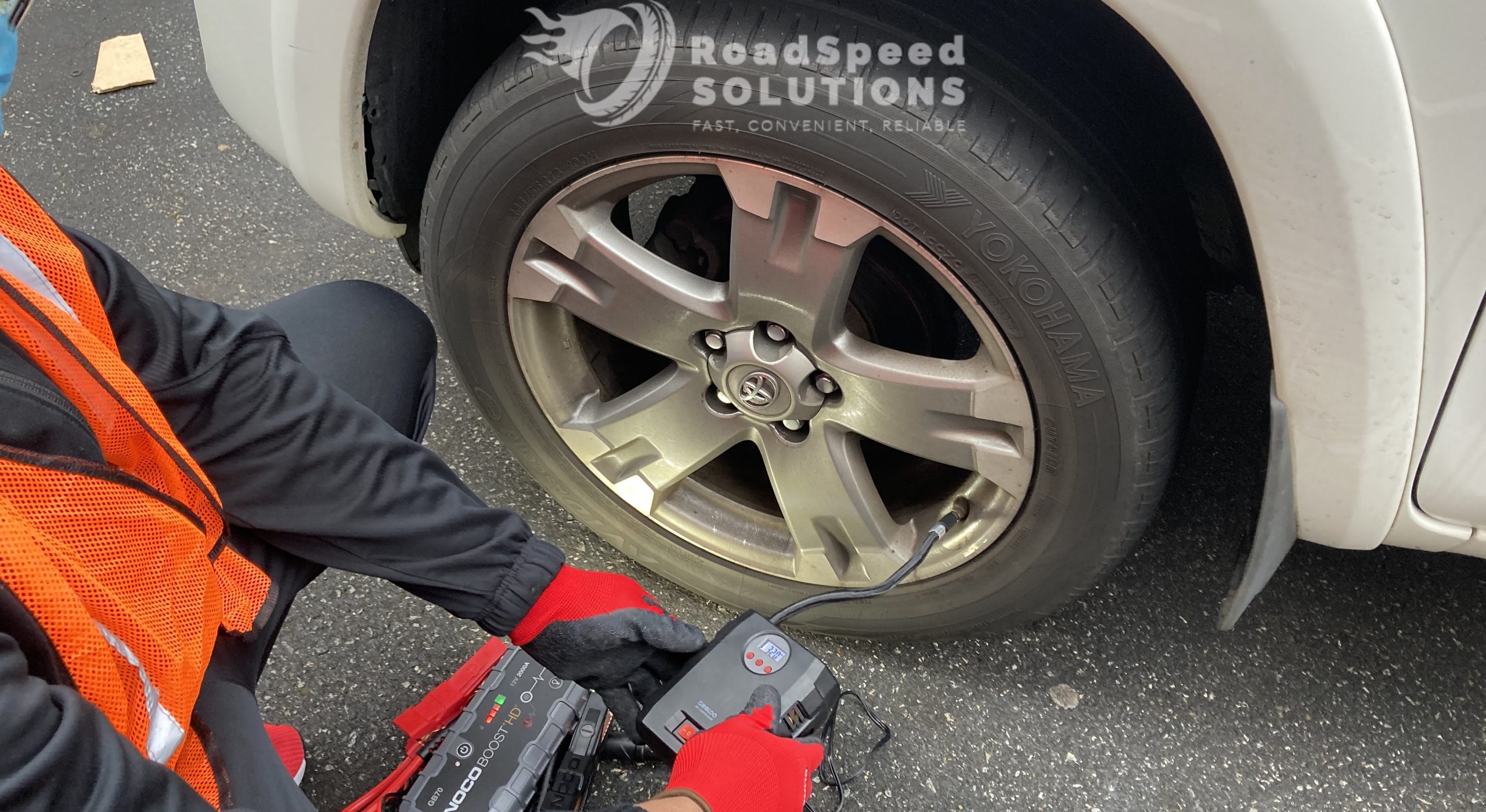
- Professional Patching: If the puncture is within the repairable area of the tread (typically the central three-quarters) and not too large, a professional plug-patch combination offers a durable repair. Scenario: A technician arriving with a portable air compressor and patching kit for a standard tread puncture.
- Spare Tire Installation: If you have a usable spare, they can safely install it.
- Tire Replacement: Some mobile services carry common tire sizes or can source and install a new tire on-site if your tire is beyond repair (e.g., sidewall damage or a large, unrepairable puncture).
- Towing: If on-site repair isn’t feasible and a new tire isn’t available, they will arrange towing to a service center. Example: Being advised that sidewall damage requires a new tire and arranging a tow.
The average response time for reputable roadside assistance services typically ranges from 30 to 60 minutes. Be prepared to wait, but use this time to ensure your safety and gather necessary information for the technician.
For 24/7 mobile services, costs can vary. A typical mobile tire repair (plug/patch) can cost between $75-$150, excluding potential new tire costs, which is significantly less than a tow plus shop repair. This usually includes a call-out fee and labor. Prices may be higher for after-hours service, remote locations, or specific vehicle types. Always inquire about the total cost upfront when you call. Most professional providers accept major credit cards, and some may have direct billing options for roadside assistance memberships. Confirm payment methods accepted before the technician arrives to avoid any surprises.

What If 24/7 Flat Tire Service Isn’t Immediately Available or Sufficient?
While 24/7 professional services are invaluable, there are instances where immediate assistance might be delayed, or the damage is beyond a mobile repair. In such situations, having alternative solutions and prioritizing safety are critical for maintaining mobility until expert help can be secured.
Temporary Puncture Sealants
Tire sealants, such as Fix-a-Flat or Slime, can be a temporary lifeline for small punctures. These aerosol cans inject a sealant into the tire, which then finds and clogs the leak when the tire is reinflated. Tire sealants are typically effective for punctures up to 1/4 inch (6mm) and should not be considered a permanent solution. They are designed to get you safely to the nearest tire shop for a professional inspection and permanent repair or replacement. Scenario: Applying a tire sealant for a nail puncture found in a secure parking lot, then driving cautiously to a tire shop.
While useful, tire sealants can complicate professional repair by leaving residue inside the tire. Always inform the tire technician if you’ve used a sealant.
Safe Installation and Use of a Spare Tire
Most vehicles come equipped with either a full-size spare or a compact ‘donut’ spare. Knowing how to safely change a tire is a valuable skill. Always consult your vehicle’s owner’s manual for specific instructions and tools. Compact spare tires are generally rated for up to 50 miles at speeds no greater than 50 mph. They are not designed for long distances or high speeds due to their smaller size and limited tread depth. Example: Safely changing a spare tire on a well-lit road shoulder following manufacturer guidelines. Case Study: A driver used a compact spare for 40 miles at 45 mph, then had it professionally replaced without issue.
Prioritizing Safety During Delays
If you’re waiting for assistance or have applied a temporary fix, maintaining safety is paramount.
- Stay Visible: Keep hazard lights flashing. If you have them, use safety cones, flares, or reflective triangles.
- Stay Protected: If on a highway, remaining inside your vehicle with seatbelts fastened is often safer than standing on the shoulder. Keep doors locked.
- Communicate: Inform trusted contacts of your situation and location.
- Avoid Working in Unsafe Conditions: Never attempt a tire change on a busy highway shoulder if you feel unsafe. Wait for professional assistance.
Post-Temporary Repair Verification
After installing a spare or using a sealant, perform critical checks before resuming travel. Recheck the lug nut torque on a spare tire after 10-20 miles of driving to ensure they haven’t loosened. For sealant repairs, monitor tire pressure diligently. Always drive cautiously to the nearest service center, adhering to any speed or distance limitations of your temporary solution. A professional will assess the damage thoroughly and perform a permanent repair or install a new tire, ensuring your vehicle is once again roadworthy.
Choosing a Quality 24/7 Flat Tire Repair Provider: Ensuring Expert and Reliable Service
When faced with a flat tire emergency, particularly outside regular business hours, the choice of a repair provider can significantly impact your experience and safety. Selecting a quality 24/7 flat tire repair service is paramount. As an expert in the field, I emphasize these key considerations to ensure you receive professional, reliable, and trusted assistance in 2026.
Evaluating Reputation and Online Reviews
In today’s digital age, a provider’s online reputation is a strong indicator of their service quality. Consult platforms like Google My Business, Yelp, and the Better Business Bureau (BBB) for consistent positive feedback. Look for mentions of reliability, promptness, professionalism, and effective problem-solving. Consumer surveys indicate that 90% of customers consider online reviews before choosing a service provider, making this a crucial first step. Example: Comparing two local mobile tire services, one with numerous 5-star reviews praising quick response and expert technicians, another with complaints about hidden fees.
Assessing Expertise and Certifications
The technical skill of the responding technician is paramount. Inquire about the certifications held by their staff. Reputable mobile tire service companies often have technicians with ASE (Automotive Service Excellence) or TIA (Tire Industry Association) certifications, ensuring high standards of quality and expert work. A knowledgeable technician will use the correct tools and methods for repair or replacement, preserving your wheel and tire integrity. This hands-on experience translates directly into superior service.
Transparency in Pricing and Service Guarantees
A trusted provider will offer clear, upfront quotes without hidden fees. Before dispatch, confirm the total cost, including any call-out charges, labor, and potential parts. Furthermore, look for services that provide a warranty or guarantee on their repairs. This demonstrates their confidence in the professional quality of their work and offers you peace of mind. Always get the pricing confirmed before the service begins.
Response Time and True 24/7 Availability
The promise of “24/7” service must be genuine. Verify that the provider operates around the clock, not just “on call” with extensive delays. Inquire about their typical response times and their operational scope. A truly reliable provider will have efficient dispatch systems and a fleet ready to deploy, ensuring timely expert roadside assistance. Example: A customer calling a service and receiving an immediate, transparent quote and an estimated arrival time confirmed via text, is indicative of a well-organized operation.
Communication and Customer Service Standards
Clear, respectful communication is a hallmark of quality service. From your initial call to the completion of the service, the provider should keep you informed about arrival times, repair options, and costs. A trusted and professional provider will answer your questions patiently and address any concerns you may have, ensuring a positive experience even in a stressful situation. This strong customer service is part of the overall information they offer, building confidence.
Immediate resolution for flat tires is critical for both safety and minimizing travel disruption. 24/7 services offer expert, professional assistance, encompassing everything from on-site repairs to necessary towing. Understanding how to access these services and what to expect is vital for efficient and reliable resolution. Always prioritize safety, verify service quality, and choose trusted providers for roadside emergencies. Ensure you are fully prepared for unexpected tire emergencies by proactively researching and understanding local 24/7 flat tire repair services and your available roadside assistance options for 2026. Your informed planning and choice of a reliable provider can make a significant, positive difference in a critical moment.
Frequently Asked Questions
How long does a typical 24/7 flat tire repair take on-site?
On-site repairs, such as plugging a puncture, typically take 30-60 minutes from technician arrival, depending on the damage complexity and environmental conditions. This timeframe does not include the service provider’s travel time, which can vary based on location and current demand. Professional services prioritize efficient and quality work to get you back on the road safely.
Can all flat tires be repaired by a 24/7 mobile service?
Not all flat tires are repairable. Mobile services can usually fix punctures within the tread area up to a certain size (typically 1/4 inch or 6mm). Sidewall damage, punctures outside the tread, or extensive structural damage often necessitate a full tire replacement, which may require towing to a shop if a suitable replacement tire isn’t carried by the mobile unit.
What information should I have ready when calling for 24/7 flat tire assistance?
When contacting a 24/7 service, have your precise location (GPS coordinates are ideal), vehicle make, model, and year, tire size (found on the sidewall), and a brief description of the tire damage. This information enables the dispatch to send the correct equipment and parts, improving service efficiency and your overall experience from a trusted provider.
Are 24/7 flat tire repair services more expensive than traditional shop repairs?
24/7 mobile repair services often have a premium due to their immediate availability and convenience, especially after hours. Costs typically include a service call fee plus labor and parts. While potentially higher than a scheduled shop visit, the value lies in avoiding towing fees and reducing downtime. Many insurance or roadside assistance plans cover these costs.
How can I prevent flat tires and reduce the need for 24/7 services?
Proactive maintenance significantly reduces flat tire occurrences. Regularly check tire pressure according to manufacturer specifications, inspect tires for visible damage like embedded objects or excessive wear, and rotate them as recommended. Avoiding road hazards where possible and maintaining proper wheel alignment are also crucial preventative measures that enhance tire longevity and safety, reducing reliance on emergency repair.