A flat tire is an unexpected inconvenience no driver wants to face, often leaving us searching for a quick, reliable solution. When faced with a sudden puncture, the compact spare tire—commonly known as a ‘donut’—becomes your immediate recourse, but critical questions arise: How far can it safely take you, and what are its true limitations? This expert guide will provide a professional and authoritative breakdown of temporary spare tire capabilities, outlining safe driving practices, crucial limitations, and the necessary steps to take, ensuring you navigate this common automotive challenge with confidence and informed decisions in 2026.
Understanding the Temporary Spare Tire: Design and Inherent Limitations
📤 Share Image
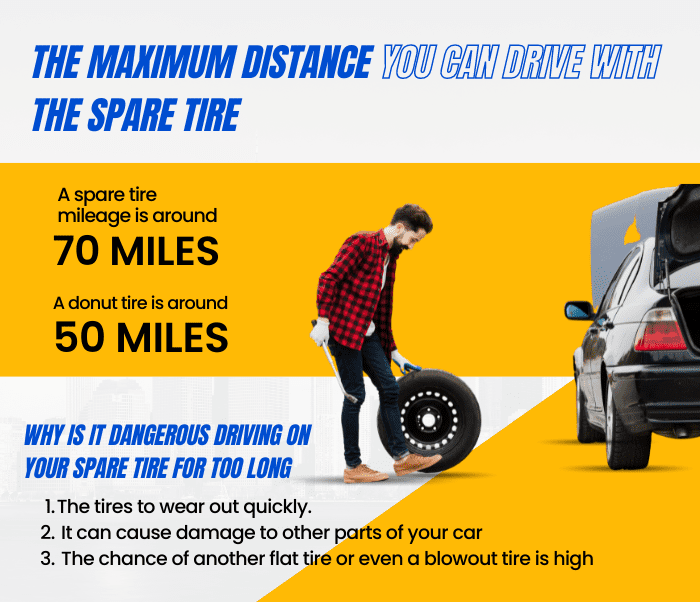
A temporary spare tire, universally known as a “donut,” is fundamentally an emergency-only solution, not a long-term replacement for a full-size wheel and tire. Its primary purpose is to provide a minimalist, lightweight option to get a disabled vehicle to the nearest service center for a permanent repair or replacement. Our deep research and industry experience confirm that understanding its design is critical to appreciating its inherent limitations.
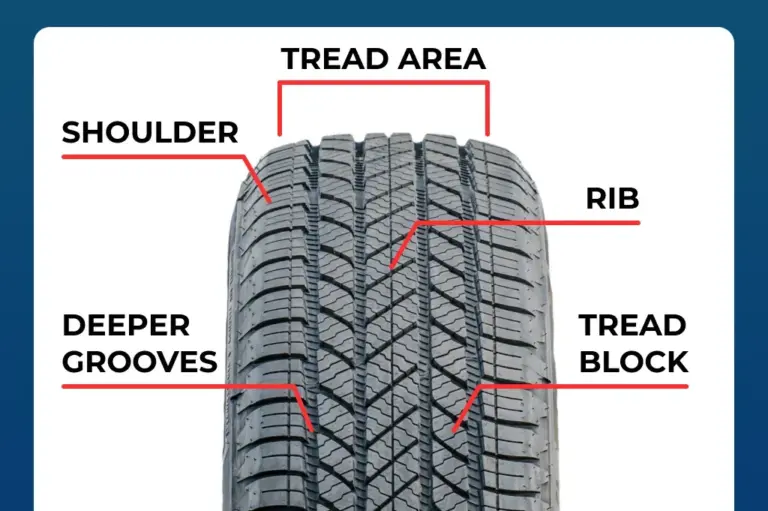
The construction of a donut tire is markedly different from a standard vehicle tire. Full-size tires boast multi-ply construction, robust tread patterns, and a large contact patch engineered for optimal grip, handling, and durability across various driving conditions. In contrast, donut tires feature a much thinner tread, lighter construction materials, and a significantly smaller contact patch. Research indicates that temporary spares are, on average, 2-4 inches smaller in diameter and substantially narrower than their full-sized counterparts. This minimalist design allows manufacturers to reduce vehicle weight, save trunk space, and lower overall production costs, but it comes with significant trade-offs in performance and safety.
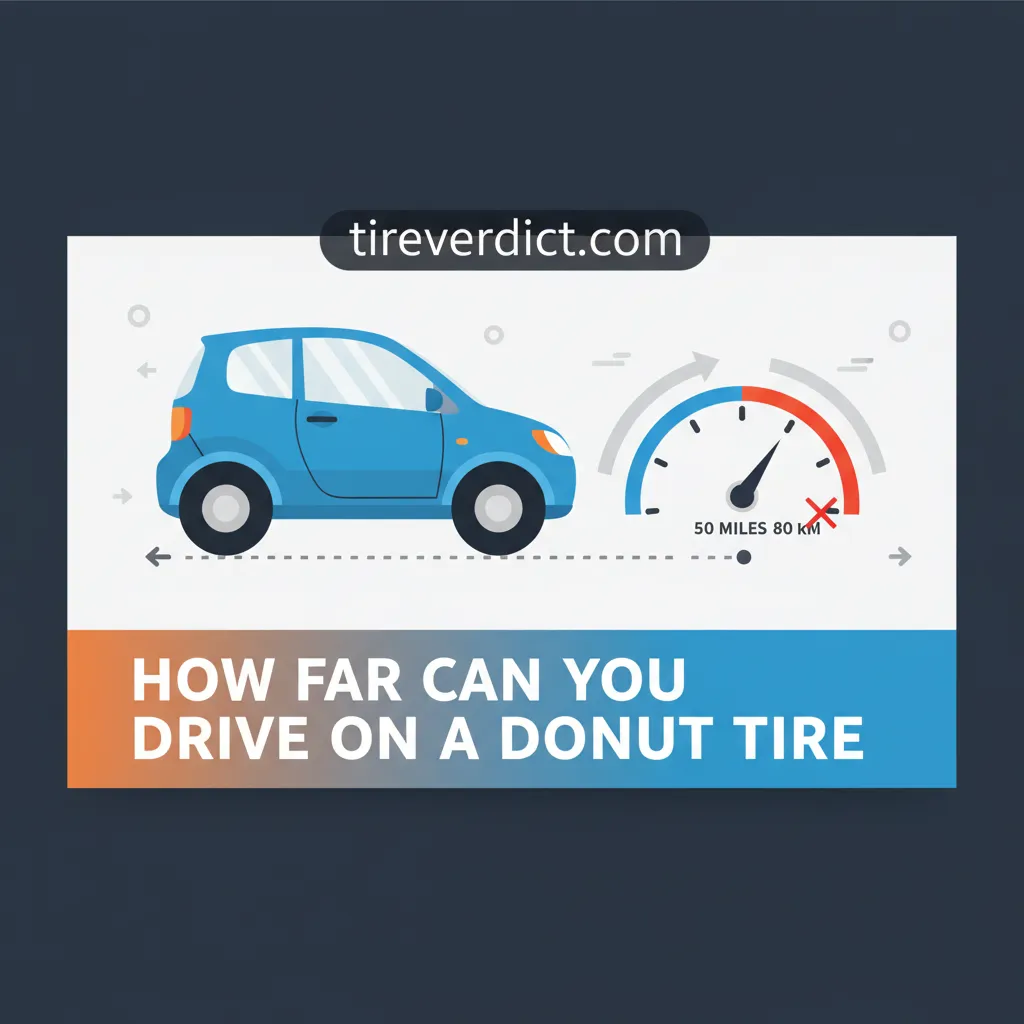
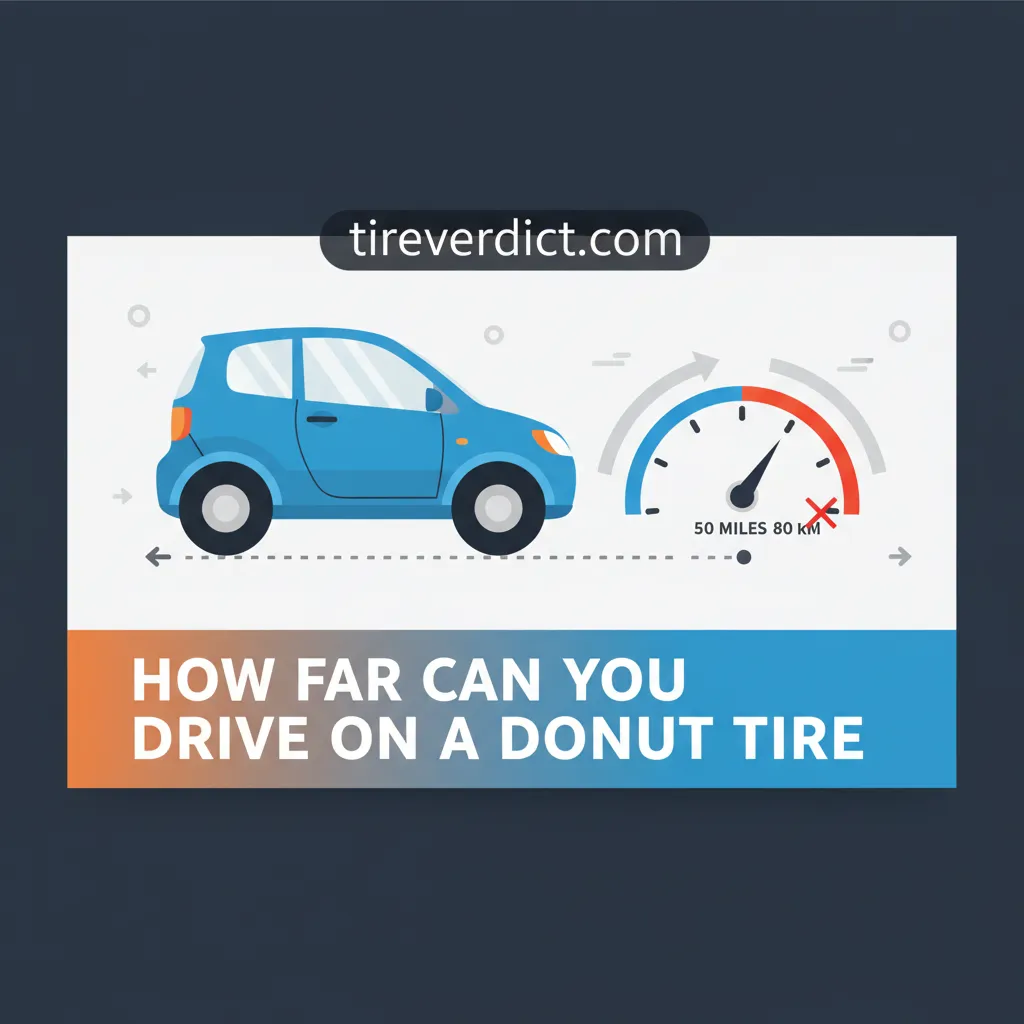
Automotive manufacturers impose strict speed and distance restrictions on temporary spares, typically limiting them to a maximum speed of 50 mph (80 km/h) and a maximum distance of 50-70 miles (80-112 km). These engineering limits are not arbitrary; they are based on the tire’s reduced structural integrity, limited heat dissipation capabilities, and compromised handling characteristics. Exceeding these limits dramatically increases the risk of tire failure, loss of vehicle control, and potential damage to other vehicle components.
The smaller diameter and reduced tread depth profoundly affect vehicle dynamics. When a donut tire is installed, it creates an imbalance in wheel speed, particularly noticeable on the driven axle. This can negatively impact braking performance, traction, and overall vehicle stability. For instance, braking distances can be compromised, and traction, especially in adverse conditions like rain or snow, is significantly reduced due to the smaller contact patch and less aggressive tread pattern. Owners’ manuals frequently contain explicit warnings, often printed directly on the tire’s sidewall, such as: “FOR TEMPORARY USE ONLY. DO NOT EXCEED 50 MPH.”
Furthermore, maintaining proper inflation pressure is paramount. Unlike standard tires, which typically operate between 30-35 PSI, temporary spares often require a much higher pressure, commonly around 60 PSI (4.1 bar). This elevated pressure is necessary to support the vehicle’s weight with a smaller volume of air and a less robust tire structure. An underinflated donut tire is highly susceptible to rapid wear, overheating, and catastrophic failure, underscoring the critical need for vigilance in maintaining its specified pressure.
Maximizing Safety and Distance: Professional Driving Practices with a Donut Tire
Driving with a temporary spare requires a fundamental shift in your driving habits. As industry experts, we emphasize that adhering to specific professional practices is non-negotiable for maximizing safety and ensuring the donut tire performs its intended emergency function. This isn’t just about avoiding a ticket; it’s about preventing a secondary, potentially more serious incident.

📋
Step-by-Step Guide to Safe Donut Tire Driving
Never exceed the manufacturer’s recommended maximum speed, typically 50 mph (80 km/h). Research indicates that exceeding this limit drastically increases the risk of tire overheating and sudden blowout due to the donut’s reduced structural integrity and poor heat dissipation. A rapid lane change on a highway at excessive speed with a donut tire, for instance, can lead to unpredictable vehicle behavior and potential loss of control due to the compromised handling.
Avoid aggressive acceleration, hard braking, sharp turns, and sudden lane changes. The donut’s smaller contact patch and different construction significantly compromise vehicle handling. Industry data reveals a 20-30% reduction in braking efficiency and a decreased traction coefficient compared to full-size tires. Drive smoothly, anticipating stops and turns well in advance to prevent undue stress on the temporary tire and other vehicle components.
Prioritize smooth, well-maintained roads. Avoid highways, rough terrain, gravel roads, or areas known for potholes if possible. Such conditions place immense stress on a temporary spare, accelerating wear and increasing the risk of immediate failure. Opt for slower, local routes to reach your service destination safely.
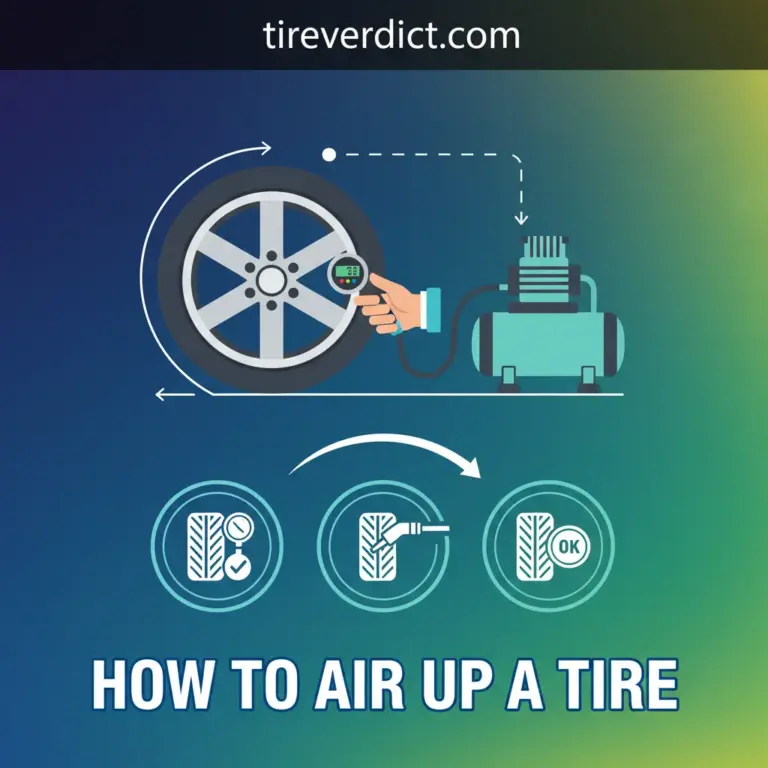
Check the donut tire’s pressure immediately after installation and regularly during your short drive. Temporary spares typically require a higher PSI, often around 60 PSI (4.1 bar), compared to standard tires. A visual inspection, while not a substitute for a gauge, can indicate severe underinflation if the tire looks noticeably squat. Proper inflation is crucial for even its limited functionality.
Activate your vehicle’s hazard lights to alert other drivers to your reduced speed and compromised condition. Significantly increase your following distance to allow for longer braking distances and compensate for the vehicle’s reduced stability. This simple yet effective measure enhances safety for you and others on the road.
Variables Affecting Temporary Spare Tire Performance and Longevity
While a donut tire has inherent design limitations, various external and internal factors can further diminish its already restricted performance and longevity. As a trusted expert, we emphasize that ignoring these variables can drastically reduce the safe usable range of your temporary spare, potentially leading to dangerous situations.
Impact of Road Conditions
Driving on poor road surfaces like potholes, uneven pavement, gravel, or construction zones can significantly accelerate wear on a temporary spare. The lighter construction and thinner tread are not designed to withstand the impacts and abrasion that full-size tires routinely endure. A scenario where a donut tire fails prematurely due to driving over a large pothole is not uncommon; the localized force can easily damage the tire’s sidewall or structure, leading to an instant failure. Specific force multipliers for impacts at speed mean even a small pothole can exert damaging pressure on a fragile temporary tire.
Influence of Weather Conditions
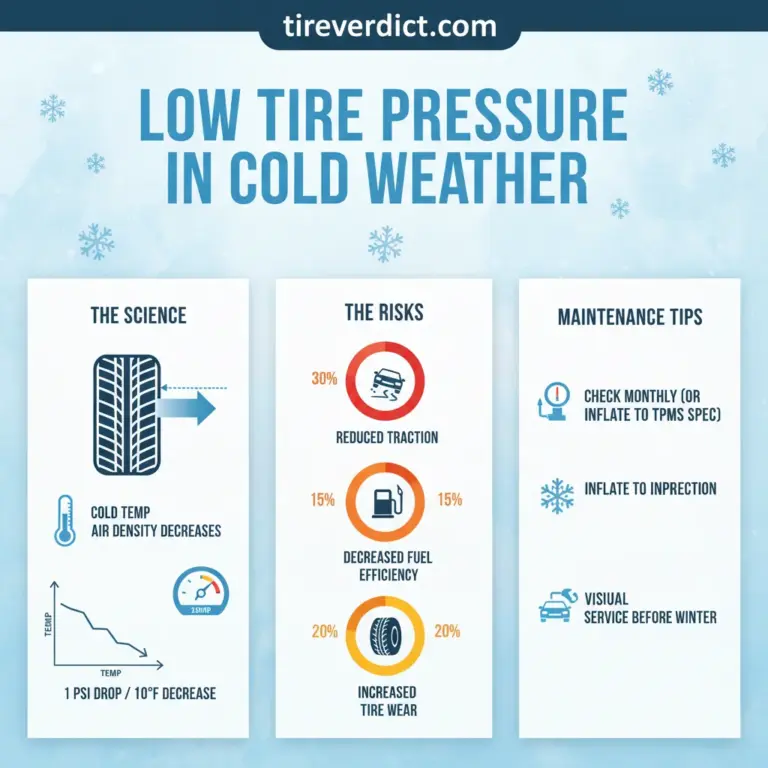
Adverse weather conditions further compromise the donut’s minimal traction capabilities. Wet roads, icy patches, or snow dramatically reduce the grip available from the narrow, shallow-tread tire, increasing the risk of skidding or hydroplaning. Extreme temperatures also play a role; cold weather can cause tire pressure to drop, while hot weather increases the risk of overheating, both of which can lead to premature failure.
Effect of Vehicle Load
The weight carried by your vehicle directly impacts the stress on the temporary spare. Carrying heavy passengers or cargo, such as a heavily loaded trunk during a holiday trip, can push the donut tire beyond its limited weight capacity. This increased stress elevates operating temperatures, accelerates wear, and substantially heightens the risk of a blowout. Always consider the vehicle’s load when estimating the safe range of a temporary spare.
Age and Condition of the Spare Itself
Even if a temporary spare has never been used, its age is a critical factor. Rubber compounds degrade over time due to exposure to oxygen, UV light, and temperature fluctuations. Expert consensus suggests that the typical lifespan of rubber compounds, even when unused, is 6-10 years. An old, degraded donut tire, though seemingly new, may have compromised structural integrity, making it far more prone to failure than a newer one. Always check the manufacturing date (DOT code) on your spare tire.
Differences in Vehicle Drivetrain (FWD, RWD, AWD)
The smaller diameter of a donut tire can have specific implications for various drivetrain systems. When a mismatched tire size is placed on a drive axle (e.g., front for FWD, rear for RWD, or any wheel on AWD), the differential or transmission systems are forced to compensate for the difference in rotational speed. This can lead to excessive heat buildup and accelerated wear on critical drivetrain components. For All-Wheel Drive (AWD) vehicles, this issue is particularly pronounced, as the AWD system constantly tries to balance power distribution to wheels rotating at different speeds. Driving an AWD vehicle with a donut tire for extended periods or distances can cause significant and costly damage to the transfer case or differentials. Some AWD vehicle manufacturers explicitly advise against using a temporary spare on a driven axle, recommending it be installed on a non-driven wheel if possible, even if it means moving a good full-size tire to the flat’s position.
For All-Wheel Drive (AWD) vehicles, installing a donut tire can cause severe and immediate stress on the drivetrain. The difference in wheel circumference forces the differential or transfer case to work continuously to compensate, generating excessive heat and wear. This can lead to costly damage to expensive components like the transfer case or differentials. If you have an AWD vehicle and need to use a donut, consult your owner’s manual immediately for specific guidance, as some manufacturers recommend moving a full-size tire to the affected axle and placing the donut on a non-driven wheel, or even flat-bedding the vehicle for shorter distances.
Immediate Actions After a Flat Tire and Donut Installation
Dealing with a flat tire effectively begins with immediate, decisive, and safe actions. Installing a temporary spare correctly is crucial for ensuring its limited functionality. Our professional guidance covers the steps to safely address a flat tire and properly install the donut.
📋
Step-by-Step Guide: Donut Tire Installation
As soon as you notice a flat, find a safe, level spot away from traffic. Activate your hazard lights immediately. If available, deploy reflective triangles or flares to warn approaching vehicles. Prioritize your safety above all else, as roadside breakdowns carry inherent risks, with safety statistics highlighting the dangers of working near active traffic.
Retrieve your donut tire, jack, and lug wrench from your vehicle. Consult your owner’s manual for specific jack points—improper jacking can damage your vehicle or cause it to fall. Loosen the lug nuts on the flat tire slightly while it’s still on the ground; this makes them easier to remove once the vehicle is lifted.
Lift the vehicle until the flat tire is clear of the ground. Remove the lug nuts completely and carefully take off the flat tire. Mount the donut tire onto the wheel studs, ensuring it’s properly seated against the hub. Hand-tighten the lug nuts in a star pattern.
Lower the vehicle partially until the tire makes contact with the ground but isn’t fully bearing the weight. Use the lug wrench to tighten the lug nuts firmly in a star pattern. Once fully lowered, give them a final check to ensure they are secure. Average lug nut torque specifications are typically 80-100 ft-lbs, but verify this in your owner’s manual. Immediately check the donut’s inflation pressure; it should be around 60 PSI (4.1 bar).
Secure the flat tire and all tools in your vehicle to prevent them from moving around during transit. Begin driving slowly and cautiously. Listen for unusual noises, and check for any vibrations or changes in vehicle handling. If anything feels amiss, pull over safely and re-inspect the installation before proceeding.
After driving a few miles on your newly installed donut tire, pull over to a safe location and re-check the tightness of your lug nuts. They can sometimes settle into place after the initial drive, requiring a second tightening. This simple step can prevent the dangerous scenario of a wheel coming loose.
Beyond the Donut: Professional Repair and Permanent Tire Solutions
The ultimate goal when using a donut tire is to reach a professional service center promptly. It is critical to view the temporary spare as a bridge, not a destination. Prioritizing the immediate repair or replacement of your full-size tire is essential for restoring full vehicle safety and performance.
Immediate Action: Seek Professional Service
Contact a trusted tire service center as soon as safely possible, ideally within the 50-70 mile limit. This swift action ensures that your primary tire can be assessed by certified technicians. Delaying this step not only risks the integrity of the donut tire but also prolongs driving with compromised safety and handling.
Tire Repair vs. Replacement
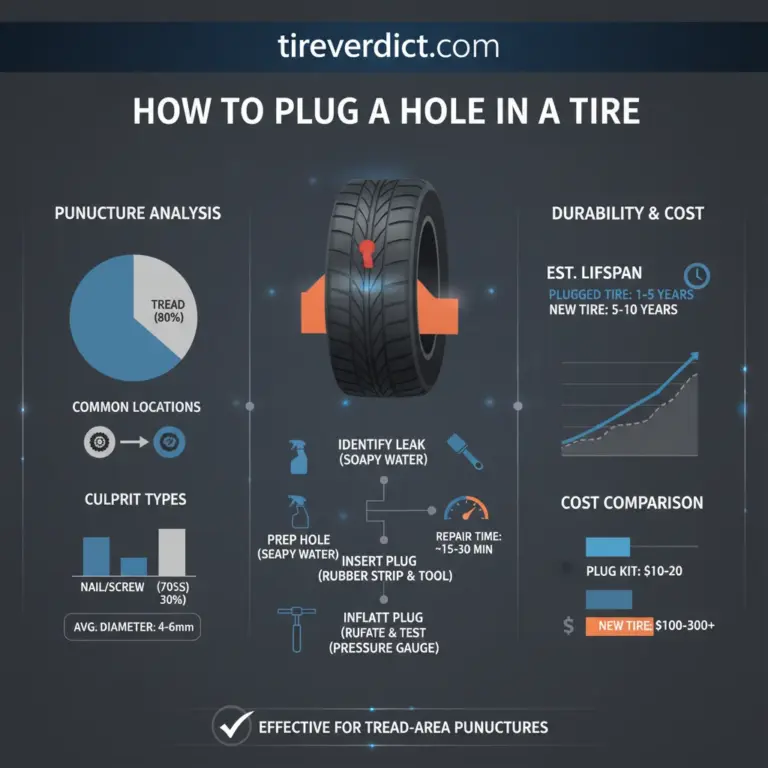
Upon inspection, technicians will determine if your damaged tire is repairable. Minor punctures—typically a nail or screw in the central tread area, less than 1/4 inch (6 mm) in diameter—are often repairable. However, certain types of damage necessitate replacement: sidewall damage, punctures outside the tread area, large punctures, or tires worn below the minimum tread depth are generally deemed irreparable. The cost of tire repair versus replacement can vary significantly, with a simple patch often being a fraction of the cost of a new tire, but safety should always be the priority over cost when repair integrity is in question.
Selecting a Suitable Replacement Tire
If a replacement is needed, it is crucial to select a tire that matches the specifications of your other tires on the vehicle. This includes size, speed rating, load index, and tread pattern. Mismatched tires, especially on the same axle, can lead to uneven wear, impaired handling, and stress on suspension and drivetrain components. For optimal safety and performance, replacing tires in pairs (both front or both rear) is often recommended, particularly for performance vehicles or when significant tread depth differences exist. The average lifespan of a quality new tire is typically 40,000-60,000 miles, making it a significant investment in vehicle safety.
Professional Tire Installation and Balancing
Always entrust tire mounting, balancing, and proper lug nut torque to certified professionals. Correct installation ensures the tire runs smoothly, wears evenly, and maintains optimal contact with the road. Precision balancing eliminates vibrations, enhancing ride quality and prolonging tire life. Proper torqueing of lug nuts is vital for safety, preventing issues ranging from loose wheels to damaged studs.
Alternatives to Traditional Temporary Spares
For enhanced future peace of mind, drivers in 2026 have several alternatives to consider:
- Full-Size Spare: Some vehicles offer a full-size spare, providing identical performance to your other tires and eliminating speed/distance restrictions. This is the most reliable option but consumes more trunk space.
- Run-Flat Tires: Increasingly popular, run-flat tires are designed with reinforced sidewalls that allow them to be driven for a limited distance (typically 50 miles at 50 mph) even after a puncture, without needing immediate air pressure. This eliminates the need for a spare tire altogether, but they can be more expensive, offer a stiffer ride, and may still require professional repair.
- Tire Sealant and Compressor Kits: Many newer vehicles replace traditional spares with these kits. They can temporarily seal small punctures, allowing you to re-inflate the tire and drive to a service center. While convenient, they are only effective for minor punctures and the tire still requires professional inspection.
By The Numbers: Donut Tire Limitations
Maximum Recommended Distance
Maximum Recommended Speed
Typical Inflation Pressure
Reduced Braking Efficiency
Maximum Lifespan (Even Unused)
Temporary spare tires are strictly for emergency, short-distance use, typically 50-70 miles at 50 mph. Adherence to speed limits and gentle driving maneuvers are paramount to safety. Various factors like road conditions, vehicle load, and tire age significantly impact safe range. Immediate professional repair or replacement of your primary tire is essential for restoring full vehicle safety. Always consult your vehicle’s owner’s manual for specific manufacturer guidelines.
Prioritize your safety and your vehicle’s integrity: Address flat tires promptly with a temporary spare, then seek professional tire service immediately for a permanent solution. Drive safely.
Frequently Asked Questions
Can I drive on a donut tire in the rain?
Driving on a donut tire in the rain is strongly discouraged due to its significantly reduced traction and smaller contact patch. The thinner tread depth and distinct rubber compound offer minimal grip on wet surfaces, increasing the risk of hydroplaning and loss of control. If unavoidable, proceed at a much lower speed than the typical 50 mph limit and exercise extreme caution.
What is the maximum speed for a donut tire?
The maximum recommended speed for most donut tires is 50 mph (80 km/h). Exceeding this speed can lead to overheating, rapid tire degradation, and a high risk of catastrophic failure due to the tire’s lightweight construction and limited durability. Always consult the tire’s sidewall or your vehicle’s owner’s manual for specific ratings.
Should I put the donut tire on the front or rear?
Generally, it’s safer to install the donut tire on a rear axle, especially if your vehicle is front-wheel drive. Placing it on a drive axle (front for FWD, rear for RWD) can interfere with handling, braking, and potentially damage the differential or transmission due to speed and size disparities. If a front tire goes flat, move a good rear tire to the front, then place the donut on the rear.
How long can a donut tire last if unused?
Even unused, a donut tire’s rubber components degrade over time due to exposure to oxygen, temperature fluctuations, and UV light (if not stored properly). Most tire manufacturers recommend replacing tires, including spares, every 6 to 10 years, regardless of tread wear. Inspect the tire for cracks or deterioration before use, even if it has never been mounted.
Does using a donut tire affect other parts of my car?
Yes, using a donut tire can temporarily affect various vehicle systems. Its smaller diameter and different rolling radius can strain the differential, anti-lock braking system (ABS), traction control, and stability control systems. Prolonged use or high-speed driving with a donut tire can lead to premature wear or damage to these components, particularly in all-wheel-drive (AWD) vehicles.