Can You Replace Just One Tire: Complete Guide 2026
📤 Share Image
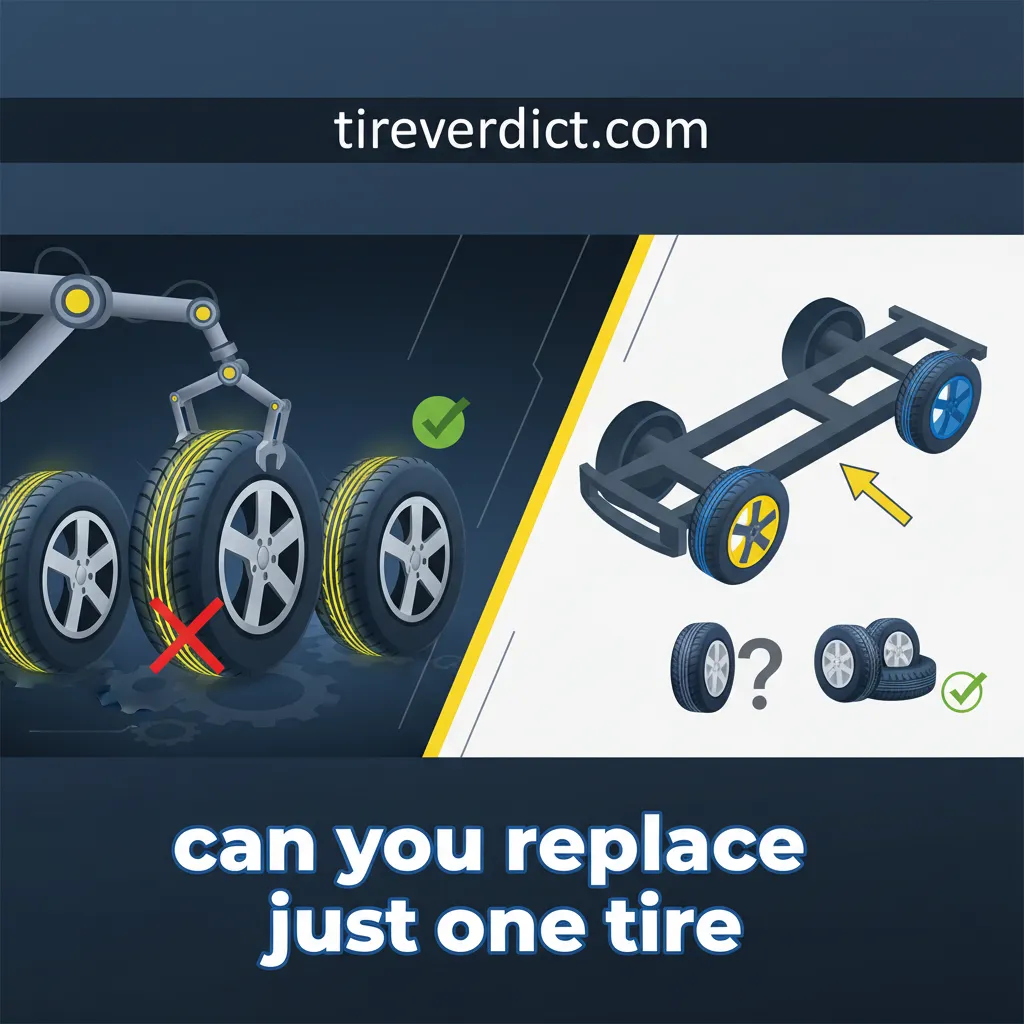
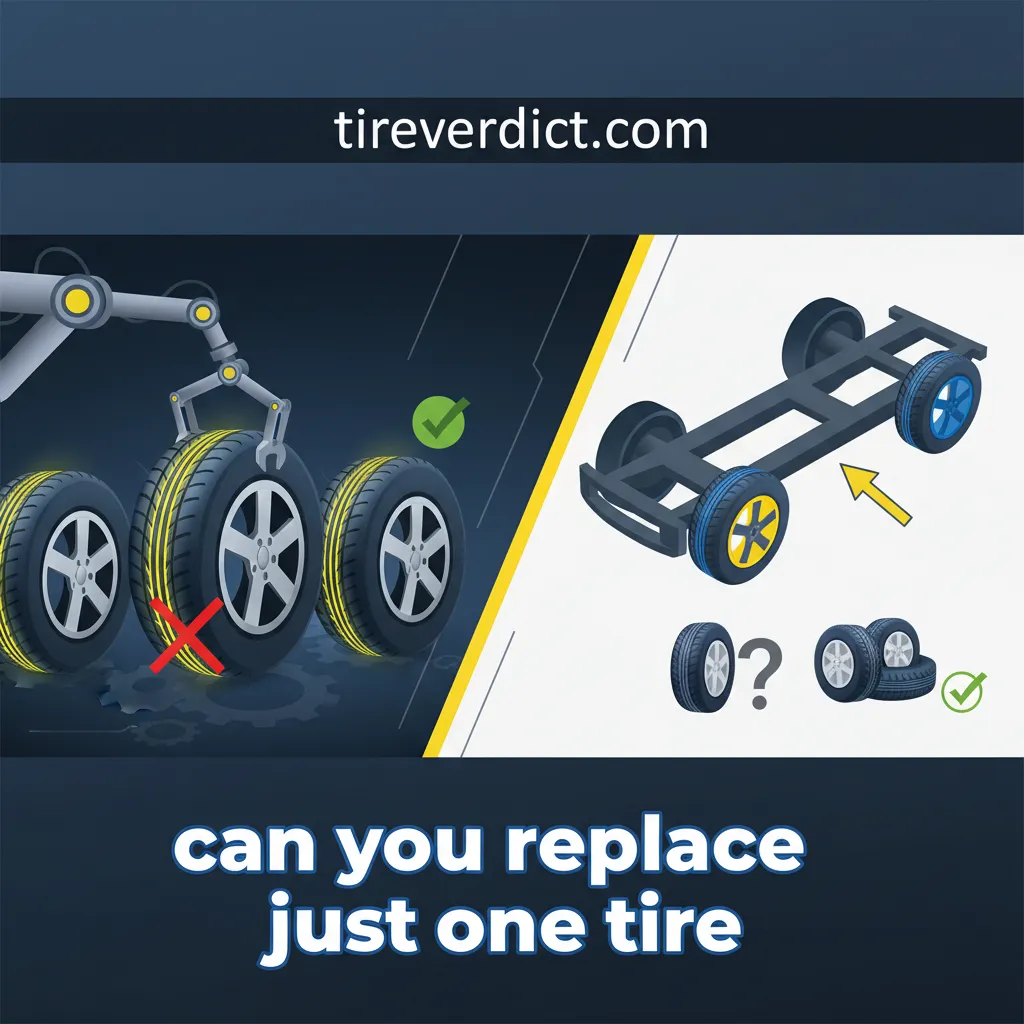
Facing a damaged tire, many vehicle owners immediately ponder the most economical repair: “Can I just replace one tire?” This seemingly straightforward question, however, unveils a complex set of automotive considerations that profoundly impact vehicle safety, performance, and long-term mechanical health. This expert guide will thoroughly dissect the factors determining the feasibility of single tire replacement, detailing critical assessment points, potential risks, and providing authoritative recommendations to ensure your vehicle remains safe and performs optimally for 2026 and beyond.

Understanding the Nuance: Is Replacing a Single Tire Ever Advisable?
The immediate appeal of replacing only a single damaged tire is understandable. When a relatively new tire, perhaps with less than 5,000 miles on it, suffers an unrepairable puncture or sidewall damage, vehicle owners often seek the most cost-effective solution. In such specific scenarios, a single tire replacement might appear to be a viable option, saving the expense of purchasing two or even four new tires. This situation stands in stark contrast to a tire that has accumulated 30,000 miles and exhibits significant wear, where individual replacement is almost certainly ill-advised.
This brings us to the fundamental ‘Cost vs. Risk’ Dilemma. While the immediate financial outlay for one tire is lower, ignoring critical factors can lead to far greater long-term expenses and, more importantly, severe safety compromises. The core of this dilemma lies in the principle of Tire Matching. For optimal vehicle dynamics and system integrity, uniformity across all four tires is crucial. Tires are designed to work as a cohesive unit, and variations in diameter, tread depth, or construction can disrupt this balance.
The impact on vehicle performance can be immediate and profound. An uneven tire set affects handling, braking, and overall driving experience, introducing imbalances that the vehicle’s sophisticated safety and stability systems may struggle to correct. Research indicates that tire retailers often advise against single tire replacement for certain vehicle types, especially those with advanced drivetrains, due to performance degradation and warranty implications. Standard passenger vehicle tires generally have a lifespan ranging from 40,000 to 60,000 miles, emphasizing that a single tire replacement is a nuanced decision best made when the damaged tire is well within its early operational life and matches its companions closely.
Critical Factors for Single Tire Replacement: A Professional’s Diagnosis
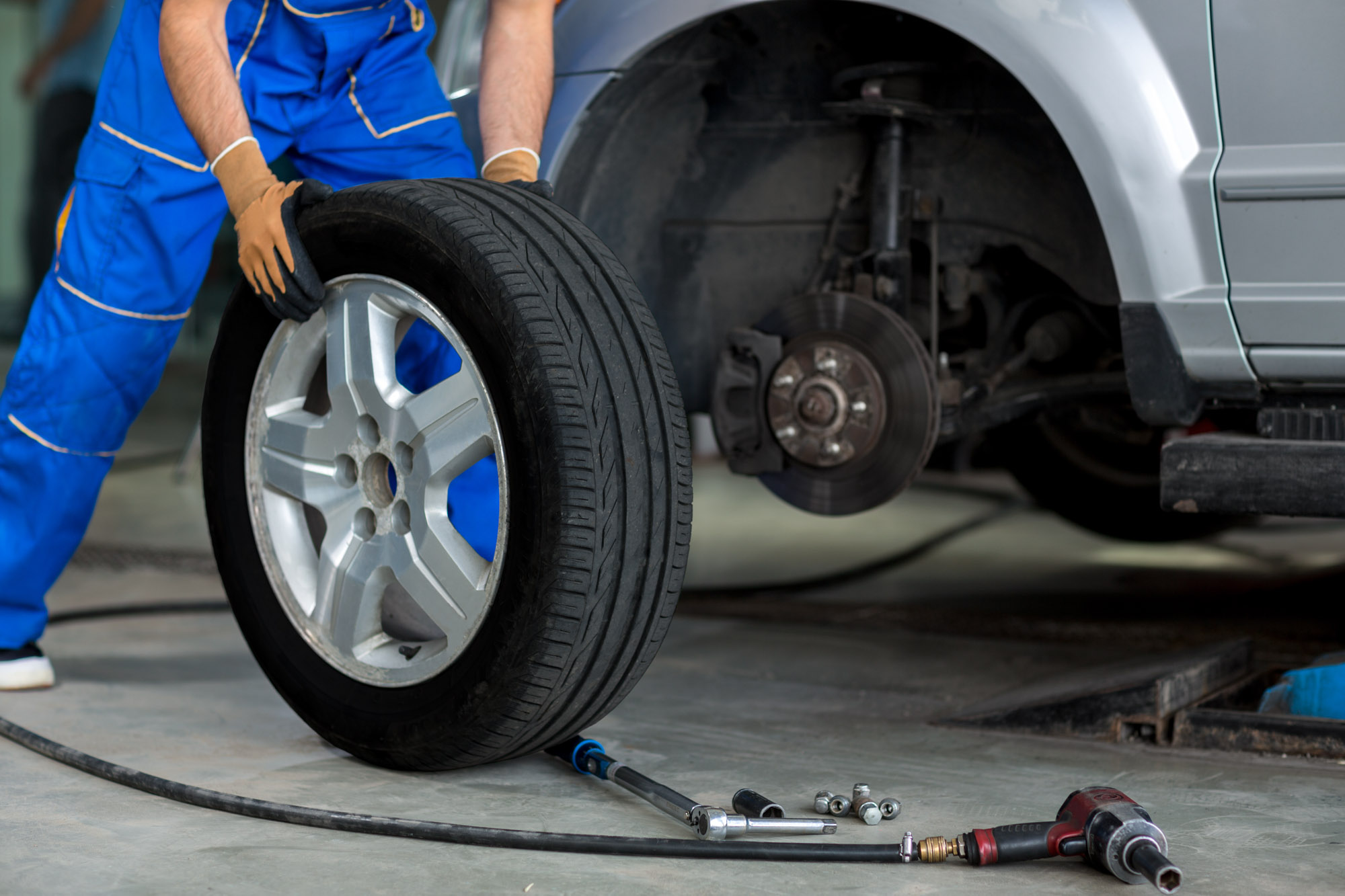
Deciding whether to replace just one tire hinges on a series of technical criteria that demand careful evaluation. As seasoned professionals, we approach this diagnosis with precision, considering every aspect that impacts vehicle safety and longevity.
Tread Depth Differential: The Paramount Factor
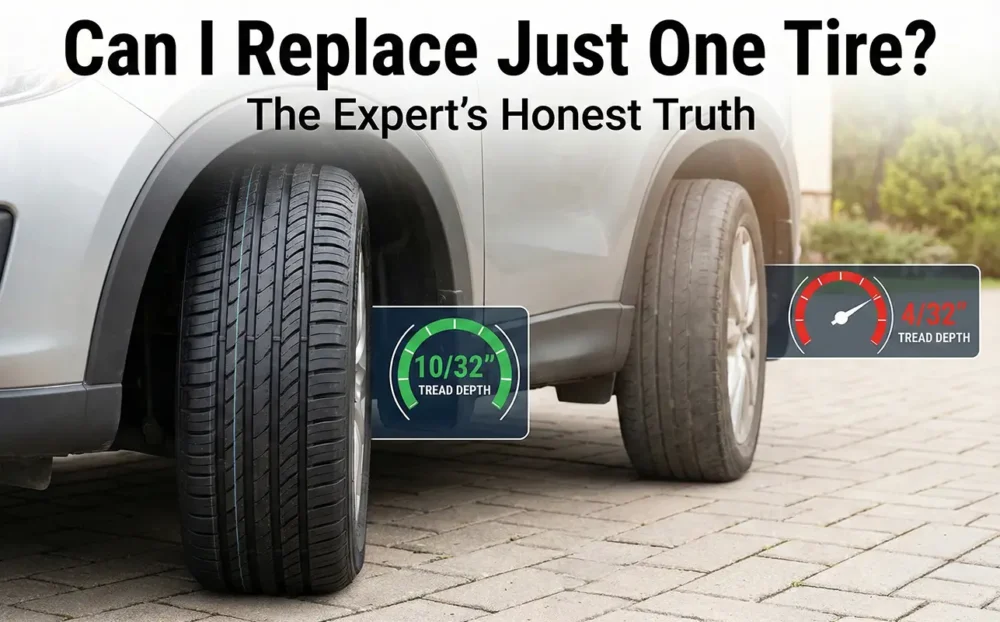
The most critical consideration is the tread depth differential between the new tire and its counterparts. Significant variations can lead to inconsistent rotational speeds, forcing vehicle differentials and transfer cases to work harder. Acceptable limits are typically very narrow: a maximum difference of 2/32″ to 3/32″ between the new tire and the least worn existing tire on the same axle, or across all four tires for AWD vehicles. Exceeding this can trigger premature wear on drivetrain components.
Vehicle Drivetrain Type: AWD Sensitivity
The vehicle’s drivetrain type is a non-negotiable factor. All-Wheel Drive (AWD) and 4WD systems are exceptionally sensitive to tire circumference variations. These systems rely on all four wheels rotating at nearly identical speeds. A mismatch forces the center differential or transfer case to compensate continuously, generating excessive heat and friction. This dramatically accelerates wear, potentially leading to costly failures. For instance, specific recommendations from manufacturers like Subaru often state a maximum tread depth variance of 2/32″ or a 1/4 inch circumference difference across all four tires. Front-Wheel Drive (FWD) and Rear-Wheel Drive (RWD) vehicles are generally more forgiving, as their differentials primarily manage speed differences between the left and right wheels on a single axle, rather than all four wheels simultaneously.
Tire Age and Condition of Companion Tires
Beyond tread depth, evaluate the age and overall condition of the other three tires. If the remaining tires are several years old, show signs of dry rot, cracking, or are nearing their wear indicators, replacing just one new tire might be a false economy. The new tire will perform differently due to its fresher compound and structural integrity, creating an imbalance.
Exact Tire Matching
When a single replacement is deemed acceptable, exact tire matching is imperative. This means matching not just the brand and model, but also the precise size, speed rating, load index, and any special features like run-flat capabilities. Even a slight variation in construction from a different sub-model of the same brand can alter performance characteristics, leading to uneven wear and compromised handling.
Manufacturer Guidelines
Always consult your vehicle manufacturer’s guidelines and your tire manufacturer’s recommendations. Many provide explicit warnings or recommendations regarding single tire replacement, especially for performance or AWD vehicles. Adhering to these guidelines is crucial for maintaining vehicle warranties and ensuring optimal safety.
Consider an AWD vehicle owner who mistakenly replaces one tire with 6/32″ tread when the other three are at 10/32″. This 4/32″ difference exceeds typical manufacturer tolerances and can lead to premature differential wear, costing thousands. In contrast, a FWD sedan replacing a new tire with an identical new tire, where existing tires have minimal wear, presents a much lower risk.
By The Numbers
Max Tread Depth Variance (AWD)
Avg. AWD Differential Repair Cost
Vehicles needing Alignment after Tire Work
Recommended Max Tire Age
The Strategic Approach: How to Execute a Single Tire Replacement (When Permissible)
If, after a thorough professional assessment, a single tire replacement is deemed permissible, a strategic approach is essential to mitigate risks and ensure optimal performance. This isn’t merely about bolting on a new wheel; it involves precise execution and attention to detail.
📋
Step-by-Step Guide
The indispensable first step is to seek a trusted professional’s evaluation. An expert technician will meticulously measure tread depths on all existing tires, assess their overall condition, review your vehicle’s drivetrain type, and consult manufacturer specifications. They will provide expert recommendations based on these critical factors, ensuring an informed decision regarding single tire replacement. This initial diagnosis is crucial to avoid future complications.
Precision is key here. You must find a tire that precisely matches all specifications of your existing tires: brand, model, size (e.g., 205/55R16), speed rating (e.g., H, V, W), load index, and any specific characteristics like run-flat technology. Even minor deviations can impact vehicle balance and performance. If existing tires have significant wear (e.g., 4/32″ or less), a new tire might need to be “shaved” by a specialty shop to match the existing tread depth, particularly for sensitive AWD systems. This ensures a consistent circumference.
Once acquired, the new tire’s placement is strategic. For FWD and RWD vehicles, it’s generally recommended to pair the new tire with the least worn existing tire on the non-drive axle, then rotate the best two tires to the drive axle. Alternatively, for FWD/RWD, placing the new tire on the rear axle can promote stability. For AWD vehicles, all four tires should have matched tread depths, often necessitating pairing the new tire with the least worn, and possibly shaving the new tire as mentioned. This ensures balanced handling and minimizes strain on the differential.
The new tire absolutely requires proper dynamic balancing. This ensures the wheel-tire assembly spins smoothly, preventing vibrations and uneven wear. While static balancing only accounts for up-and-down imbalance, dynamic balancing considers both vertical and lateral imbalances, providing superior results. Furthermore, after any tire or suspension work, a wheel alignment check is crucial. Research shows that 70-80% of vehicles benefit from an alignment after tire work, correcting wheel angles to ensure straight tracking and prevent premature, irregular tire wear across all tires. This ensures the entire system is in harmony.
Following the installation, vigilant monitoring is advised. Pay close attention to vehicle behavior—any unusual pulling, vibrations, or changes in handling. Regularly inspect all tires for uneven wear patterns. This proactive approach helps identify any issues early, allowing for timely adjustments and ensuring the long-term reliability of your single tire replacement strategy.
Consequences of Mismatched Tires: Understanding the Risks to Your Vehicle’s Integrity
Proceeding with an ill-advised single tire replacement carries substantial risks that can severely compromise your vehicle’s integrity, safety, and your financial well-being. The consequences extend far beyond mere inconvenience.
The seemingly lower cost of a single tire replacement can quickly escalate into thousands of dollars in repairs due to drivetrain damage, voided warranties, and compromised safety systems. Always prioritize safety and consult an expert to avoid these severe ramifications.
Drivetrain Stress and Damage
The most significant risk, especially for AWD and 4WD vehicles, is the immense stress placed on the drivetrain. Mismatched tire diameters cause the differentials and transfer cases to constantly “slip” or engage, compensating for differing rotational speeds. This generates excessive heat and friction, leading to premature wear of internal components. A documented case involved an AWD vehicle requiring a new transfer case after only 15,000 miles due to a single mismatched tire, resulting in a repair bill well over $3,000. These critical components are expensive to repair or replace, negating any initial savings from a single tire purchase.
Compromised Handling and Stability
Uneven grip, differing rotational characteristics, and unbalanced forces significantly impact vehicle handling and stability. The car might pull to one side, exhibit unpredictable steering, or feel unstable during cornering. This degradation in control can reduce driver confidence and increase accident risk. Modern stability control systems (ESC/ESP) and traction control systems rely on consistent wheel speeds and tire characteristics; mismatches can confuse these systems, causing them to intervene unnecessarily or operate ineffectively.
Accelerated Wear on Other Components
The ripple effect of mismatched tires extends beyond the drivetrain. Uneven load distribution and dynamic forces can accelerate wear on various suspension components, wheel bearings, and even braking systems. Constant vibrations and imbalances transmit stress throughout the chassis, leading to a shorter lifespan for parts that would otherwise last significantly longer.
Reduced Braking Performance and Safety Implications
Braking performance is critically dependent on uniform tire grip and characteristics. Varying tire tread depths or compounds can lead to uneven braking forces across the axles, extending stopping distances and causing instability, especially in emergency braking situations. The anti-lock braking system (ABS) and traction control systems, designed to optimize braking and acceleration, become less effective when faced with inconsistent tire behavior, increasing the risk of hydroplaning or loss of control, particularly on wet or slippery surfaces. Statistics show that tire-related issues contribute to a significant percentage of accidents, highlighting the non-negotiable importance of tire quality and matching for safety.
Voiding Warranties
A critical, often overlooked consequence is the potential to void vehicle and tire manufacturer warranties. Most manufacturers explicitly state that damage resulting from the use of mismatched tires is not covered. This means that a costly drivetrain repair that would normally be covered under warranty could be denied, leaving the vehicle owner to bear the full expense. Always verify your vehicle’s warranty stipulations before considering a single tire replacement.
Beyond a Single Tire: When a Full Set Replacement is the Professional Recommendation
While the allure of replacing just one tire is understandable, there are many scenarios where a full set replacement is not merely preferable but an imperative for safety, optimal performance, and long-term vehicle health. As expert practitioners, we consistently advocate for this approach under specific conditions.
Universal Wear and Tear
When all tires are approaching or have reached critical tread depth levels, a full set replacement is the only responsible choice. Legally, the minimum tread depth in many regions is 2/32 of an inch, indicated by wear bars. However, for safe wet-weather performance, industry experts recommend replacing tires when they reach 4/32 of an inch. Below this, the tire’s ability to disperse water and resist hydroplaning diminishes significantly. If all four tires exhibit this level of wear, a new set ensures uniform grip and predictable handling.
Significant Age and Deterioration
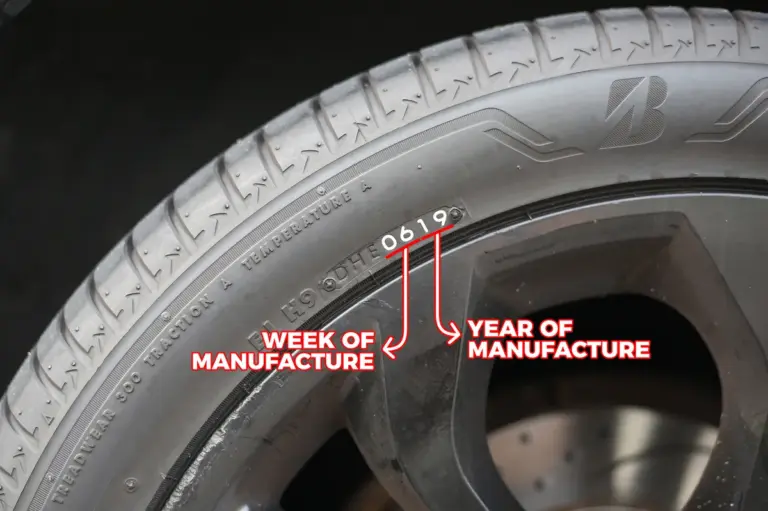
Tires deteriorate with age, regardless of remaining tread depth. The rubber compounds break down over time, leading to cracking, dry rot, and reduced flexibility, which can compromise structural integrity and grip. Most tire manufacturers and automotive experts recommend replacing tires that are 6 years old, regardless of visual condition, and strongly advise against using tires older than 10 years. Even if a tire looks fine, its internal components may be compromised.
Deterioration of Ride Quality and Performance
Over time, as tires wear, they can contribute to increased road noise, reduced ride comfort, and a noticeable decline in handling precision and fuel efficiency. If all existing tires are collectively contributing to these issues, a full set replacement can dramatically restore the vehicle’s original ride characteristics and enhance the driving experience. A fresh set offers renewed confidence in cornering, braking, and overall responsiveness.
Upgrading or Changing Tire Specifications
When a driver wishes to switch to a different tire type—for example, from all-season to dedicated summer performance tires, or to a winter tire setup for seasonal safety—a full set replacement is mandatory. This also applies when opting for a different brand or model with significantly altered performance characteristics. Mixing tire types or brands with different constructions (e.g., stiffness, tread pattern) would create dangerous inconsistencies in handling and braking.
Achieving Optimal Vehicle Dynamics
Ultimately, a matched set of four new tires ensures the best possible performance, safety, and longevity for all vehicle systems. It guarantees uniform traction, balanced handling, predictable braking, and minimizes strain on the drivetrain and suspension. This holistic approach makes a full set replacement a truly reliable choice, providing peace of mind and maximizing your investment in your vehicle’s operational excellence.
✅ Pros of Full Set Replacement
- Optimal Safety: Consistent grip, handling, and braking in all conditions.
- Maximized Performance: Restores original vehicle dynamics and responsiveness.
- Drivetrain Protection: Eliminates strain on differentials and transfer cases.
- Even Wear: Ensures all tires wear uniformly, extending their lifespan.
- Warranty Compliance: Maintains vehicle and tire warranties.
- Improved Ride Quality: Reduces noise and enhances comfort.
❌ Cons of Single Tire Replacement (When Ill-Advised)
- Drivetrain Damage: High risk of premature wear for AWD/4WD systems.
- Compromised Safety: Reduced handling, braking, and stability.
- Accelerated Wear: Increased strain on suspension and other components.
- Voided Warranties: Potential for manufacturer warranty claims to be denied.
- Uneven Tire Wear: Leads to needing more replacements sooner.
- Reduced Ride Quality: Vibrations and inconsistencies can impact comfort.
The decision to replace tires should always prioritize quality, safety, and the long-term health of your vehicle. While a single tire replacement can be a temporary fix in extremely limited, controlled situations, a full set replacement is the definitive choice for maintaining consistent performance, optimal safety, and the longevity of your automotive investment.
Replacing a single tire is rarely the ideal solution and often carries significant risks, particularly for AWD vehicles. Key factors like tread depth, drivetrain type, and exact tire matching are paramount in determining feasibility. Prioritizing a full set replacement when tires are significantly worn or aged is the safest and most reliable approach. For precise, expert guidance tailored to your specific vehicle and circumstances, always consult a trusted automotive service professional. Investing in the correct tire solution is an investment in your safety and your vehicle’s longevity.
Frequently Asked Questions
Is it ever acceptable to replace just one tire on an AWD vehicle?
Generally, it is strongly advised against. AWD systems are highly sensitive to even minor differences in tire circumference, which results from varying tread depths. Replacing a single tire can cause significant strain on the differential and transfer case, leading to costly premature wear. Some manufacturers specify a very narrow allowable tread depth difference, often requiring tire shaving or full set replacement for safety and system integrity.
How much tread depth difference is truly acceptable between a new and existing tire?
While opinions vary slightly, most automotive professionals recommend a maximum tread depth difference of 2/32″ to 3/32″ between a new tire and the least worn existing tire. Exceeding this limit, especially on AWD vehicles, can introduce rotational variances that compromise handling and accelerate drivetrain component wear. Always measure with a quality tread depth gauge for an accurate assessment.
What are the common signs of an issue caused by mismatched tires?
Signs of problems due to mismatched tires can include unusual noises coming from the drivetrain (especially during turns), vibrations felt through the steering wheel or seat, compromised handling or a vehicle pulling to one side, and uneven or accelerated wear on the remaining tires. In severe cases, warning lights for traction control or ABS might illuminate, indicating system confusion.
Can I mix tire brands or models if I’m only replacing one tire?
Mixing tire brands or models, even if they are the same size, is strongly discouraged. Different manufacturers and models use unique compounds and tread patterns, resulting in varied handling characteristics, grip levels, and rotational speeds. This disparity can lead to unpredictable vehicle behavior, reduced stability, and uneven braking, significantly compromising overall driving safety and performance.
What role does the age of my tires play when considering single tire replacement?
Tire age is a critical factor. Even if a tire appears to have sufficient tread, rubber degrades over time due to exposure to elements, losing elasticity and developing microscopic cracks. If the existing tires are nearing their recommended replacement age (typically 6 years, with a maximum of 10 years), replacing just one can create a significant disparity in material performance and safety, making a full set replacement the more prudent choice.