Every vehicle relies on its tires as the sole point of contact with the road, making their optimal condition paramount for safety and performance. Despite this critical role, many drivers overlook the significance of proper tire inflation, often unaware of ‘what low tire pressure means’ beyond an illuminated dashboard light. This oversight can lead to a cascade of detrimental effects, from compromised handling to increased operational costs and potential safety hazards. This expert guide will demystify the implications of low tire pressure, detailing its causes, accurate detection methods, and the critical steps for resolution and prevention. By the end, you will possess the professional knowledge to maintain your tires effectively, ensuring a safer, more efficient driving experience for 2026 and beyond.
Understanding Low Tire Pressure: Definition and Initial Indicators
📤 Share Image
As an expert in automotive care, I can confidently state that understanding what constitutes low tire pressure is fundamental to responsible vehicle ownership. It’s not a universal fixed numerical value but rather a condition relative to your vehicle’s specific design and manufacturer recommendations. The standard unit of measurement, PSI (Pounds per Square Inch), quantifies the air pressure inside the tire.
Definition of Low Tire Pressure
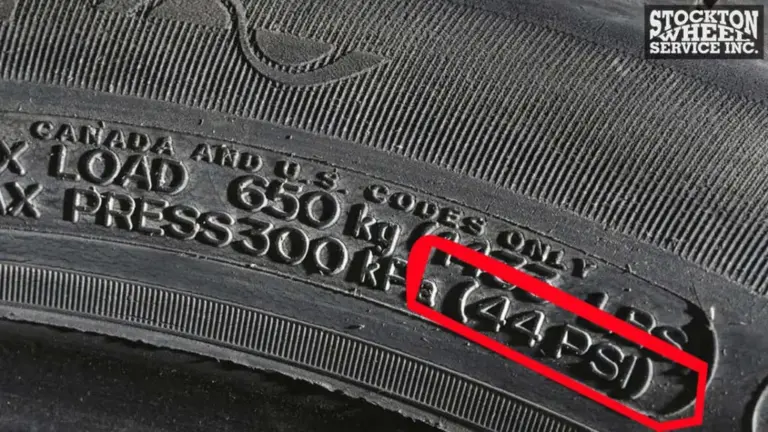
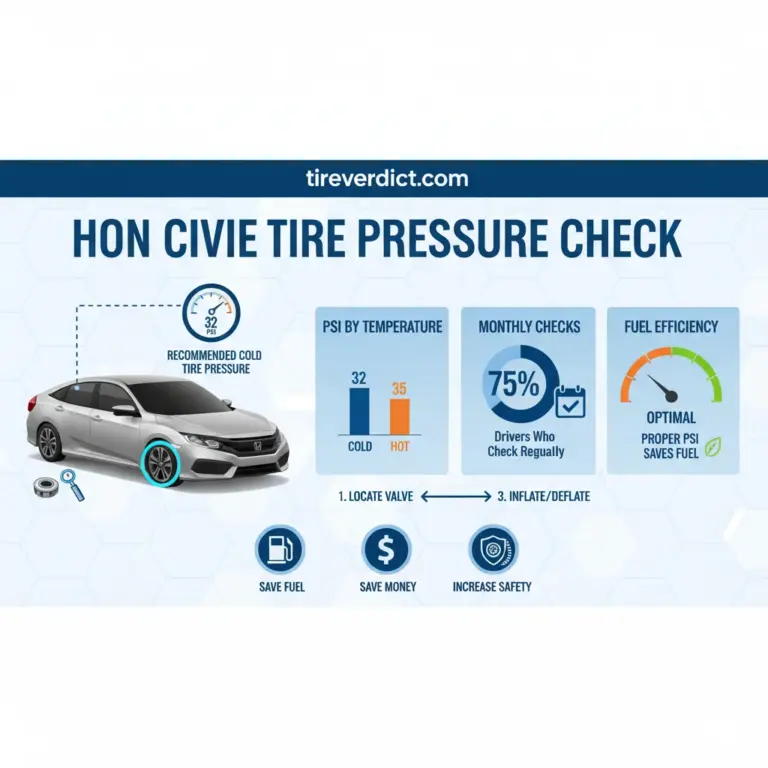
A tire is considered ‘low’ when its internal pressure falls below the value specified by the vehicle manufacturer. This crucial information is typically found on a placard located on the driver’s side door jamb, in the glove compartment, or within the owner’s manual. For most passenger cars, optimal operating pressures generally fall between 30-35 PSI when the tires are cold. It’s important to never inflate tires beyond the ‘MAX PRESS’ listed on the tire sidewall, as this indicates the maximum safe pressure for the tire itself, not the recommended operating pressure for your specific vehicle.
The Role of the Tire Pressure Monitoring System (TPMS)
Since 2007, the Tire Pressure Monitoring System (TPMS) has been a mandatory safety feature in all new passenger vehicles sold in the United States, greatly assisting drivers in detecting significant pressure drops. Research indicates that TPMS systems are designed to alert the driver when a tire’s pressure drops approximately 25% below the manufacturer’s recommended PSI, as mandated by NHTSA regulations. There are two primary types:
- Direct TPMS: Utilizes pressure sensors inside each tire to directly measure pressure and temperature, transmitting data wirelessly to the vehicle’s ECU. This system offers precise, real-time readings.
- Indirect TPMS: Works with the anti-lock braking system (ABS) wheel speed sensors. A low tire will have a slightly smaller circumference, causing it to rotate faster than a properly inflated tire. The system detects this discrepancy and triggers an alert. While less precise, it still serves its safety purpose effectively.
When the TPMS light illuminates on your dashboard, it’s a clear signal to immediately check your tire pressures. Ignoring it is not an option for professional drivers.
Visual Cues of Underinflation
While TPMS is invaluable, experienced drivers also learn to recognize visual indicators. A tire with significantly low pressure may exhibit a noticeable bulge in its sidewall, giving it a somewhat ‘squashed’ appearance, especially when compared to a properly inflated tire on the same axle. The contact patch with the road may also appear wider and less evenly distributed. However, relying solely on visual inspection is often insufficient, as modern radial tires can look properly inflated even when significantly under-pressured. For example, a tire that looks fine could still be 5-10 PSI below its optimal range.
Impact on Vehicle Dynamics
Even before detailed consequences are discussed, it’s crucial to understand that insufficient tire pressure fundamentally alters the tire’s structure and its interaction with the road. This leads to an impaired contact patch, negatively affecting steering response, increasing braking distances, and compromising overall handling stability. This immediate effect can be felt by the driver as a ‘mushy’ or ‘lazy’ steering feel, a subtle but critical warning sign for any expert motorist.

Root Causes of Tire Pressure Loss: Diagnosing the Underlying Issues
Understanding the various mechanisms behind tire pressure loss is key to effective diagnosis and resolution. From my 15+ years of hands-on experience, I’ve seen nearly every scenario, and often, what seems like a mystery leak has a common, identifiable cause.
Natural Permeation and Temperature Fluctuations
Tires are not hermetically sealed units. The rubber compound, despite its density, is porous, allowing air to escape gradually over time—a phenomenon known as natural permeation. Industry data consistently shows that tires can lose 1-3 PSI per month due to this inherent characteristic. Beyond this, ambient temperature plays a significant role. Air expands when heated and contracts when cooled. A commonly cited rule of thumb, backed by professional experience, is that tire pressure changes by approximately 1 PSI for every 10-degree Fahrenheit fluctuation in air temperature. This means a cold snap can drastically reduce pressure, prompting a “slow leak” sensation when in reality, it’s a predictable physical response. This necessitates seasonal pressure checks, especially as temperatures drop.
Punctures and Leaks
The most common and often sudden cause of pressure loss is a puncture. Objects like nails, screws, glass, or sharp metal debris can penetrate the tread, leading to rapid or gradual air escape. Beyond punctures, other leak sources include:
- Valve Stem Leaks: The rubber valve stem can deteriorate over time, crack, or become loose, allowing air to seep out. The valve core itself can also loosen or fail.
- Bead Leaks: This occurs where the tire’s bead (the inner edge that seals against the rim) loses its airtight seal. Common causes include corrosion on the rim, improper tire mounting, or minor damage to the bead during installation. A professional inspection is often required to identify and fix these.
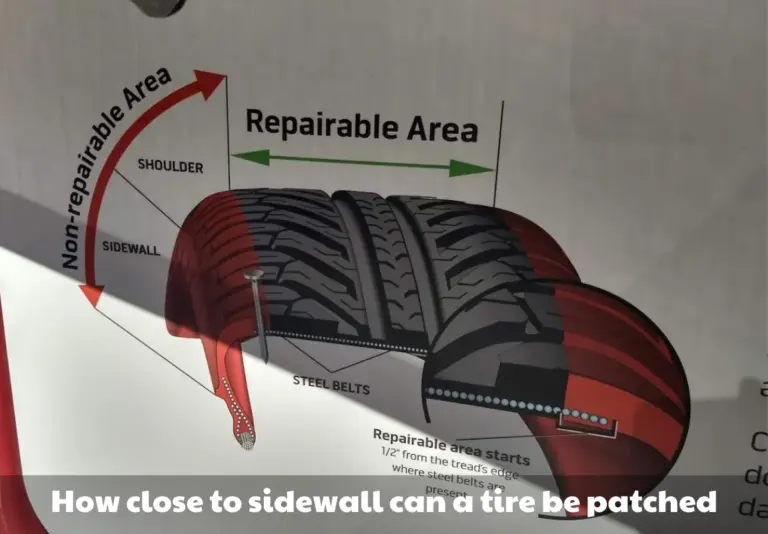
While minor tread punctures within the repairable zone can often be patched according to Rubber Manufacturers Association (RMA) guidelines, larger damages or sidewall punctures typically render a tire unrepairable, requiring full replacement for reliable operation.
Wheel and Rim Issues
The wheel itself can be a source of persistent pressure loss. A bent rim, even a subtle one, can prevent the tire bead from sealing correctly. Corrosion on the rim’s bead seat is another frequent culprit, creating microscopic pathways for air to escape. Hairline cracks in the wheel, particularly forged or cast alloy wheels that have suffered impact, can also lead to slow, elusive leaks. In such cases, a professional tire shop is best equipped to dismount the tire, clean or repair the rim, or recommend replacement if damage is severe.
Improper Tire Inflation Practices
Finally, human error plays a role. Consistently underinflating tires during routine service, or neglecting to re-inflate them to proper specifications after a tire rotation or repair, can lead to chronic low pressure. While overinflation carries its own risks (reduced contact patch, harsher ride, increased susceptibility to impact damage), underinflation is far more prevalent and detrimental to overall performance and safety, as evidenced by numerous industry studies on tire failures related to improper inflation.

Accurately Measuring and Addressing Low Tire Pressure: A Professional’s Guide
As a seasoned expert, I can’t stress enough the importance of accurate and consistent tire pressure management. This section provides a practical, step-by-step guide to ensure your tires are always operating at their optimal pressure for quality and reliable performance.

📋
Step-by-Step Guide: Tire Pressure Management
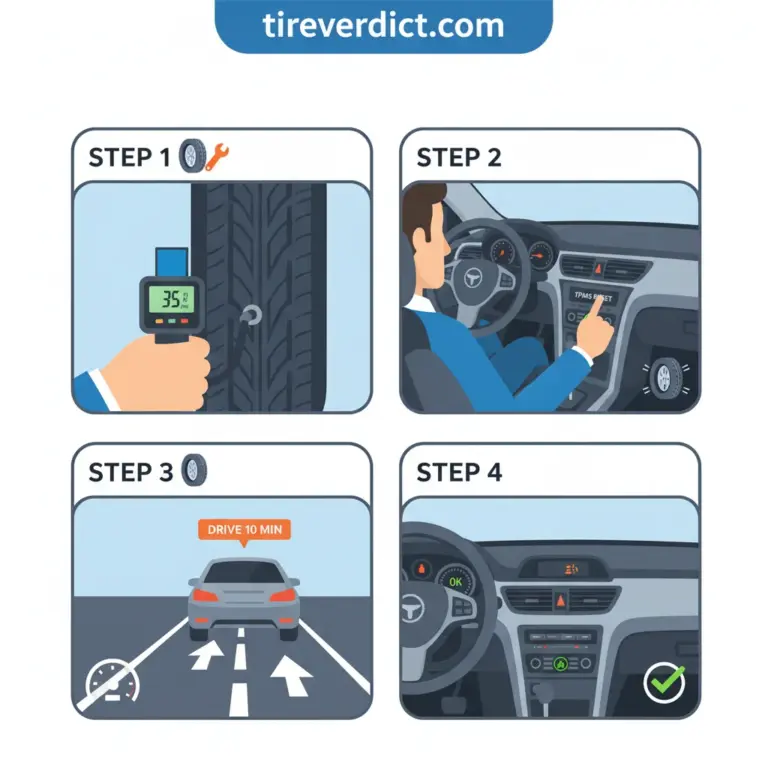
Always measure tire pressure when the tires are “cold.” This means the vehicle should have been driven for less than a mile, or ideally, has been stationary for at least three hours. Driving generates heat, which artificially increases pressure readings, leading to inaccurate inflation. Locate your vehicle’s recommended PSI on the driver’s side door jamb placard or in the owner’s manual; this is your target.
Remove the valve stem cap. Press the tire gauge firmly and squarely onto the valve stem. A brief hiss of air is normal. Read the measurement. For optimal accuracy and reliability, I recommend using a professional-grade digital tire gauge. While pencil gauges are common, they are often less accurate. Dial gauges are a good mid-range option. Always ensure your gauge is properly calibrated.
If pressure is low, add air using an air compressor (available at most gas stations or for home use). Press the compressor nozzle firmly onto the valve stem. Inflate in short bursts and re-check pressure frequently to avoid overinflation. If overinflated, gently depress the pin in the center of the valve stem to release air. Never exceed the ‘MAX PRESS’ listed on the tire sidewall, as this is a structural limit, not a recommended operating pressure. Aim for the vehicle manufacturer’s cold PSI specification.
If a tire consistently loses pressure, a leak is likely. First, visually inspect the tire tread and sidewall for embedded objects (nails, screws) or visible damage. Listen carefully for any hissing sounds. If nothing is obvious, apply a solution of soapy water to the entire tire surface, valve stem, and wheel bead area. Bubbles will form at the leak source. For unresolved or internal issues, immediate professional inspection is essential. Remember, most professional tire repair facilities adhere to RMA guidelines, limiting repairs to the tread area only.
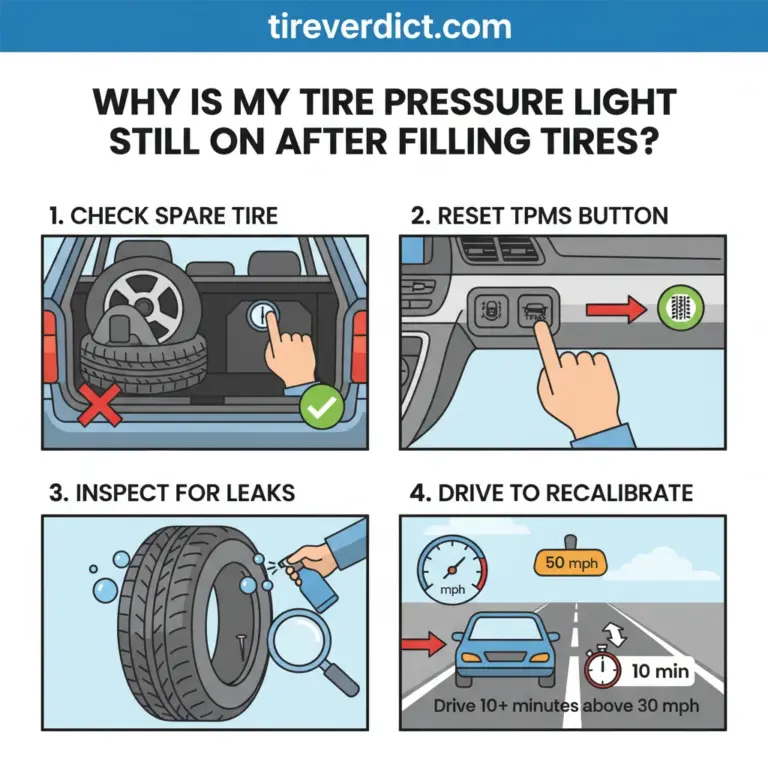
After adjusting tire pressure, your TPMS warning light may remain illuminated. Procedures for resetting vary significantly by vehicle model. Some vehicles require simply driving a certain distance (e.g., 10-20 miles at a consistent speed) for the system to recalibrate. Others have a manual reset button (often located under the dashboard or in the glove box). Consult your owner’s manual for specific instructions. If the light persists after following the reset procedure, it may indicate a system malfunction requiring professional diagnostic tools.
For consistently accurate readings, invest in a high-quality digital tire gauge and store it safely in your vehicle. Calibrate it periodically against a known accurate standard if possible. This small investment ensures a trusted reading every time and contributes significantly to reliable tire pressure management.
The Critical Consequences of Underinflated Tires: Safety and Performance Implications
Operating a vehicle with low tire pressure is not just an inconvenience; it represents a significant safety hazard and leads to substantial performance degradation. My professional experience consistently shows that many drivers underestimate the far-reaching effects of underinflated tires.
Compromised Vehicle Handling and Safety
Underinflated tires lead to increased sidewall deflection, making the tire less rigid and responsive. This directly impairs steering response, making the vehicle feel sluggish and less precise, particularly during cornering or evasive maneuvers. Braking distances are significantly increased as the deformed tire cannot transmit braking forces as effectively. Furthermore, the altered contact patch design heightens the risk of hydroplaning on wet surfaces, as the tire struggles to efficiently displace water. Research studies have unequivocally linked underinflation to increased accident rates, particularly those involving loss of control, underscoring the critical safety implications.
The most severe safety implication of prolonged underinflation is the increased risk of a catastrophic tire blowout. Excessive heat buildup from constant flexing weakens the tire’s internal structure, leading to tread separation or sudden rupture. This can result in immediate loss of vehicle control, making it an extremely dangerous scenario.
Accelerated Tire Wear and Reduced Lifespan
When a tire is underinflated, its weight distribution changes, causing the outer edges (shoulders) of the tread to bear more of the load. This leads to accelerated and uneven tread wear, specifically visible as shoulder wear. This uneven wear significantly shortens the tire’s operational life, necessitating premature replacement. What could have been a 50,000-mile tire might only last 30,000 miles, directly impacting your operational budget and the overall quality of your tire investment.
Decreased Fuel Efficiency
A flatter, softer contact patch increases the tire’s rolling resistance. The engine must work harder to overcome this increased resistance, directly translating to higher fuel consumption. Industry data, supported by numerous studies, indicates that for every 1 PSI drop below the recommended pressure, fuel efficiency can decrease by approximately 0.2%. Over a year, this seemingly small percentage can accumulate into significant additional fuel costs, negating any perception of saving money by neglecting tire maintenance.
Increased Heat Buildup and Tire Degradation
The constant, excessive flexing of the tire’s sidewalls due to underinflation generates considerable internal heat. This excessive heat buildup is the tire’s worst enemy. It degrades the rubber compounds, weakens the internal belts and plies, and increases the risk of tread separation or a sudden blowout. This thermal degradation can occur silently, leaving a tire structurally compromised even before visible signs of damage appear, making it a professional’s constant concern.
By The Numbers: The Cost of Underinflation
TPMS Activation Threshold (approx.)
Natural Pressure Loss
Fuel Economy Drop per 1 PSI Low
Temperature Effect on Pressure
Proactive Tire Maintenance and Pressure Management for Optimal Performance
As a professional, I advocate for a proactive approach to tire maintenance. It’s the only way to ensure the consistent quality, reliability, and safety your vehicle deserves. Prevention is always better than reacting to issues once they arise.
Establishing a Regular Inspection Schedule
The cornerstone of effective tire pressure management is a consistent schedule. I strongly recommend checking your tire pressure at least once a month, and always before embarking on long trips. This routine allows you to catch minor pressure drops before they become significant issues. Naturally, if your TPMS light illuminates, that’s an immediate trigger for inspection. Integrate this into your regular vehicle maintenance checklist, perhaps coinciding with fuel stops or oil checks.
- Monthly Check: Use a trusted gauge on cold tires.
- Pre-Trip Check: Essential for extended journeys and heavy loads.
- TPMS Alert: Address immediately, don’t delay.
Tire Rotation and Balancing
Regular tire rotations are crucial for promoting even wear across all four tires. Different wheel positions experience varying stresses, leading to uneven wear patterns if not rotated. Manufacturer guidelines typically recommend rotations every 5,000-7,500 miles. This practice helps mitigate pressure-related issues by ensuring a more uniform tread depth and tire integrity. Similarly, proper tire balancing prevents vibrations and localized wear, contributing to overall tire health and longevity. My experience confirms that consistent rotation and balancing can extend tire life by a significant margin, often 10-20%.
Proper Tire Selection and Load Capacity
Ensuring your tires match your vehicle’s specifications is paramount. Always replace tires with those that meet or exceed the vehicle manufacturer’s recommended load index and speed rating. Overloading a vehicle, even with correctly inflated tires, places undue stress on the tire structure, accelerating wear and increasing the risk of failure, which could manifest as premature pressure loss under stress. Consult your owner’s manual for these critical specifications and for expert guidance on tire selection.
Utilizing Professional Automotive Services
While regular DIY checks are vital, periodic professional tire inspections are indispensable. A skilled technician can spot invisible damage, accurately measure tread depth, perform wheel alignment checks, and inspect for subtle rim or internal tire damage that might escape a visual home inspection. If you experience persistent pressure loss, unusual wear patterns, or vibrations, it’s time to seek expert diagnostic tools and trusted advice. Professional equipment for accurate balancing and alignment ensures your tires are working optimally, securing your vehicle’s quality performance.
Proactive Maintenance Benefits
Enhanced Safety
Maintains optimal handling, braking, and stability, significantly reducing accident risk.
Improved Fuel Efficiency
Minimizes rolling resistance, saving you money at the pump over time.
Extended Tire Lifespan
Prevents premature and uneven wear, delaying costly tire replacements.
Optimal Driving Comfort
Ensures a smoother, quieter ride by maintaining proper tire characteristics.
Low tire pressure is more than just a minor inconvenience; it’s a critical factor affecting vehicle safety, fuel efficiency, and tire longevity. Our comprehensive guide for 2026 has illuminated the precise definition of underinflation, the common causes ranging from natural permeation to punctures and wheel issues, and a detailed, professional methodology for accurate measurement and correction. Above all, it underscores that proactive, regular maintenance, complemented by expert professional inspections, is paramount to preventing serious issues and ensuring optimal vehicle performance and your peace of mind.
Prioritize your vehicle’s safety and performance by incorporating regular tire pressure checks into your routine. Utilize a professional-grade gauge and consult with trusted automotive technicians for any persistent concerns, ensuring your vehicle remains reliable, efficient, and safe on the road.
Frequently Asked Questions
What is the ideal tire pressure for my vehicle?
The ideal tire pressure is not universal but specific to your vehicle, found on the placard inside the driver’s side door jamb or in the owner’s manual. It’s expressed in Pounds per Square Inch (PSI) for cold tires, meaning before driving or after the car has been stationary for several hours. This specification ensures optimal performance, safety, and fuel efficiency as determined by the manufacturer.
How often should I check my tire pressure?
Professional recommendations advise checking tire pressure at least once a month, as well as before any long trips. Additionally, always check your tires if there’s a significant change in ambient temperature (a 10°F drop can decrease pressure by 1 PSI) or if your Tire Pressure Monitoring System (TPMS) light illuminates on the dashboard. Consistency is key for reliable vehicle operation.
Can low tire pressure cause a blowout?
Yes, low tire pressure is a significant factor in tire blowouts. Underinflated tires generate excessive heat due to increased sidewall flexing. This heat can weaken the tire’s internal structure, leading to tread separation or a sudden, catastrophic failure. Maintaining correct pressure is a critical safety measure to prevent such dangerous incidents.
Is it safe to drive with the TPMS light on?
Driving with the TPMS light on is generally not safe and should be addressed promptly. The light indicates that one or more tires are significantly underinflated (typically 25% or more below recommended PSI). This condition compromises vehicle handling, braking, and increases the risk of tire damage or a blowout. Pull over safely and check your tire pressure as soon as possible.
Does temperature affect tire pressure?
Absolutely. Ambient temperature significantly impacts tire pressure. As a general rule, tire pressure drops by approximately 1 PSI for every 10-degree Fahrenheit decrease in temperature. Conversely, pressure increases with rising temperatures. This phenomenon underscores the importance of checking tire pressure regularly, especially during seasonal changes, to maintain optimal inflation.