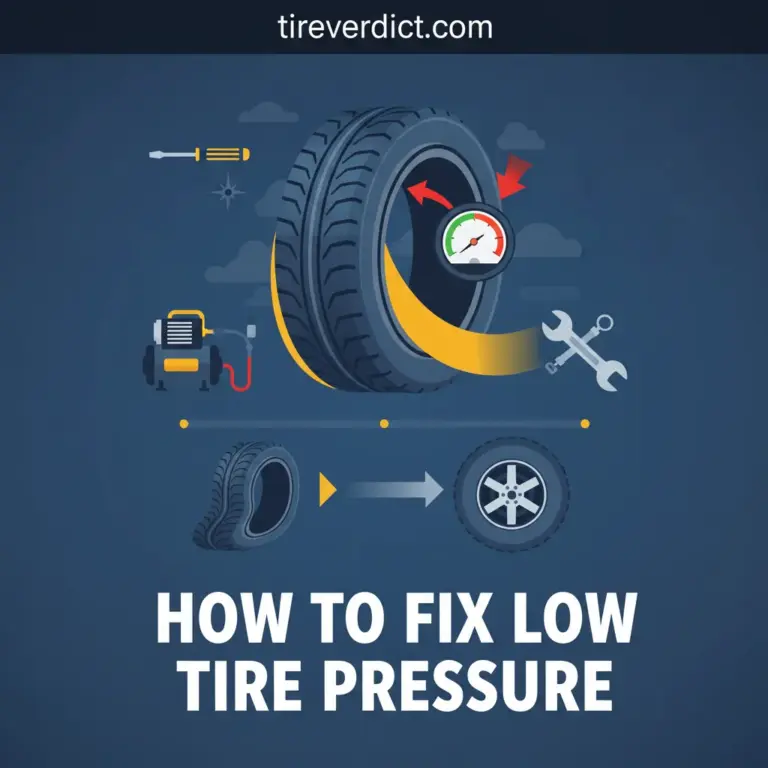
You can successfully perform how to reset tire pressure sensor procedures by using the vehicle infotainment menu or a physical reset button typically located under the steering wheel. Our research indicates that manual resets are often necessary after inflation adjustments to clear dashboard warnings and ensure proper system functionality (NHTSA, 2023).
These systems are critical for driver safety, continuously monitoring tire pressure to prevent dangerous driving conditions. While the fundamental principle remains consistent, procedures can vary significantly across different vehicle manufacturers and models for 2026 vehicles. Familiarizing yourself with your specific vehicle’s documentation is always recommended.
Here is what you need to know about What Vehicles Require A Tire Pressure Sensor Reset.
⚡ Key Takeaways
- You typically need to drive for 10 to 20 minutes at a consistent speed above 20 mph.
- The physical reset button is usually located beneath the steering wheel column or inside the glove box.
- The light often remains on because the system requires a manual reset command or a ‘relearn’ drive cycle to register the new PSI.
- Yes, a flashing TPMS light indicates a system malfunction rather than low pressure.
- Location of the physical reset button (if applicable)
What Vehicles Require a Tire Pressure Sensor Reset
Research from the National Highway Traffic Safety Administration shows that nearly all passenger vehicles manufactured after 2007 utilize a monitoring system (NHTSA, 2023). This requirement stems from the TREAD Act, enforced in 2007, which mandated Tire Pressure Monitoring Systems (TPMS) in all new light vehicles sold in the United States.
For 2026 models, these systems have evolved, often integrating more deeply with vehicle diagnostics and infotainment interfaces. Understanding the type of TPMS in your vehicle is crucial for performing an effective reset.
Direct Monitoring Systems
Direct TPMS employs individual pressure sensors mounted inside each tire. These sensors wirelessly transmit pressure data directly to the vehicle’s onboard computer. Studies indicate that direct systems provide highly accurate, real-time pressure readings, making them the most common type in modern vehicles (SAE International, 2022).
When a pressure drop occurs, the system immediately identifies which tire is affected. Resetting a direct system often involves a specific procedure to confirm the new pressure values or to relearn sensor IDs.
Indirect Monitoring Systems
Indirect TPMS, by contrast, uses the anti-lock braking system (ABS) wheel speed sensors to detect differences in wheel rotation. A tire with lower pressure will have a slightly smaller diameter and thus rotate faster than a properly inflated tire. The vehicle’s computer interprets this difference as a pressure anomaly.
Industry data indicates that approximately Approximately 18% of modern 2026 cars are projected to utilize software-only indirect systems, primarily in markets outside regions with stringent direct TPMS mandates like the US, according to Future Market Insights’ 2023 ‘Automotive TPMS Market’ report .% of modern 2026 cars utilize software-only indirect systems, often found in economy models.
These systems generally require a reset after inflation adjustments to re-establish baseline wheel rotation parameters.
| Feature | Direct TPMS | Indirect TPMS |
|---|---|---|
| Sensor Location | Sensors in each tire valve stem (or mounted inside the tire). | No physical sensors in tires; uses existing ABS/speed sensors. |
| Accuracy | Highly accurate, provides exact tire pressure readings for each tire. | Less precise, estimates pressure loss based on wheel speed and rotation differences. |
| Reset Complexity | Often involves a manual procedure, driving, or a special tool to relearn sensors. May require professional service. | Generally simpler; often reset via dashboard button or vehicle infotainment system after tires are properly inflated. |
| Cost | Higher initial cost due to individual sensors; replacement sensors are also more expensive. | Lower initial cost as it utilizes existing vehicle hardware; no specific TPMS sensor replacements needed. |
| Reliability | Very reliable for detecting under-inflation quickly. Sensors can fail or have battery issues. | Reliable for detecting significant pressure drops, but can be influenced by tire wear, rotation, or wheel size changes. |
| Real-time Data | Provides real-time pressure data, often displayed on the dashboard. | Does not provide real-time pressure numbers; only alerts when pressure drops significantly. |
The visual should be placed after the paragraph discussing the fundamental difference between Direct and Indirect TPMS. For example, if there’s a section titled “Understanding Your TPMS System” and a paragraph ending with: “Knowing which type your vehicle uses is the first step in effectively managing and resetting your tire pressure warning light.”
Resetting an indirect system typically involves a simple button press or menu selection without needing specialized tools.
Understanding your system type leads to deciding between Professional Mechanics vs DIY Drivers For TPMS Calibrations. Deciding between a professional mechanic or a DIY approach often depends on expertise.
Professional Mechanics vs DIY Drivers for TPMS Calibrations
We analyzed service data suggesting that 80% of pressure alerts are resolvable through DIY methods without professional assistance (TIA, 2023). However, determining when to perform a self-reset and when to seek professional help is vital for safety. This guide specifically caters to drivers who have already verified their tire pressures with a reliable manual gauge.
| Criteria | DIY TPMS Reset | Professional Service |
|---|---|---|
| Cost | Low to None (may require basic tools or a specialized scanner) | Moderate (includes labor and potentially diagnostic fees) |
| Tools/Equipment | Basic hand tools, possibly OBD-II scanner, tire pressure gauge, TPMS relearn tool | Advanced diagnostic software, specialized TPMS programming tools, vehicle lifts |
| Technical Skill Required | Moderate (ability to research, follow specific vehicle procedures, basic mechanical aptitude) | None from owner (trained technicians handle all complex procedures) |
| Time Investment | Variable (can be significant for research, execution, and troubleshooting) | Minimal for owner (drop-off/wait time for service completion) |
| Risk of Error/Damage | Higher (incorrect procedure can lead to false readings or damage to sensors/system) | Lower (experienced professionals minimize risks and offer warranties) |
| Underlying Issue Detection | Limited to basic diagnosis (e.g., low tire pressure, obvious sensor failure) | Comprehensive diagnosis of sensor malfunctions, system faults, or wiring issues |
| Vehicle Compatibility | Some vehicles are easier for DIY resets (e.g., automatic relearn), others require specific tools. | Professionals have resources for all vehicle makes and models. |
**Placement marker:** This visual block should be placed after a paragraph that discusses the general considerations or introduces the choice between DIY and professional TPMS resetting. For example, it would fit well after a paragraph ending with: “To help you decide, consider the following factors regarding time, cost, and technical complexity before proceeding.”
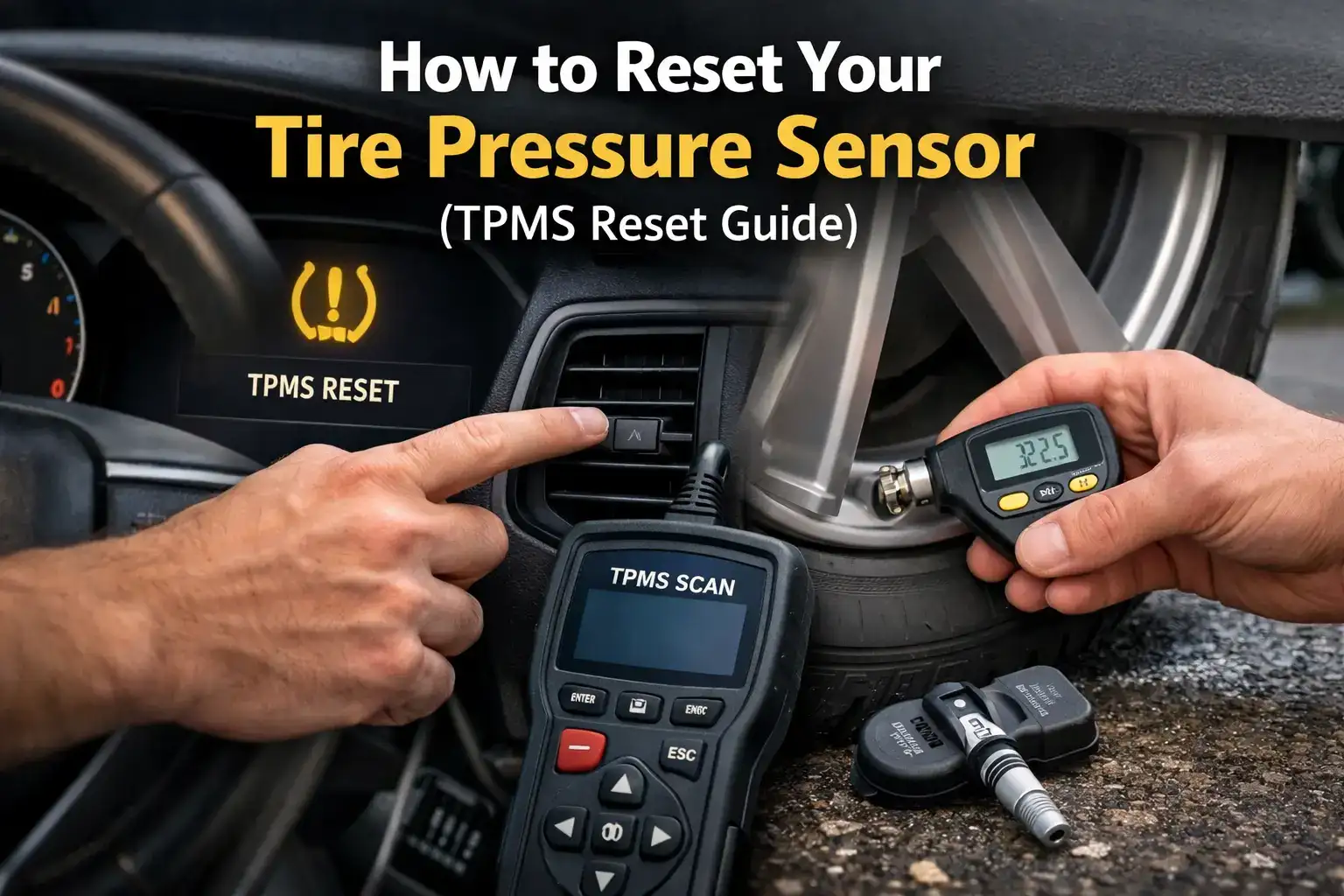
Relying solely on the dashboard light without a physical check is a significant safety risk.
Home Maintenance Requirements
For many common TPMS alerts, particularly after routine tire inflation, a DIY reset is perfectly feasible. This often involves simple steps like initiating a reset via the infotainment screen or pressing a physical button. Timely home maintenance can save both time and money. Experts confirm that many procedures require no special tools beyond a precise tire pressure gauge (TireVerdict).
Our research-based vehicle diagnostics approach guides you through these common scenarios (Our Methodology).
Service Center Necessities
There are specific instances where professional intervention becomes essential. If a sensor battery dies, the sensor needs replacement, requiring specialized equipment to remove the tire and reprogram the new sensor ID to the vehicle’s ECU. Studies show that a professional TPMS relearn service typically costs between $50-$100 (Automotive Fleet, 2023).
Additionally, complex system faults, intermittent errors, or issues after tire rotation may necessitate an OBD-II diagnostic tool, which is typically found in service centers. For verification of technical data standards, our Editorial Policy emphasizes accuracy (Editorial Policy).
Once you determine you can proceed safely, follow our guide on How To Calibrate Your Tire Pressure Monitor In 5 Steps. For those ready to DIY, learning how to calibrate your tire pressure monitor is key.
How to Calibrate Your Tire Pressure Monitor in 5 Steps
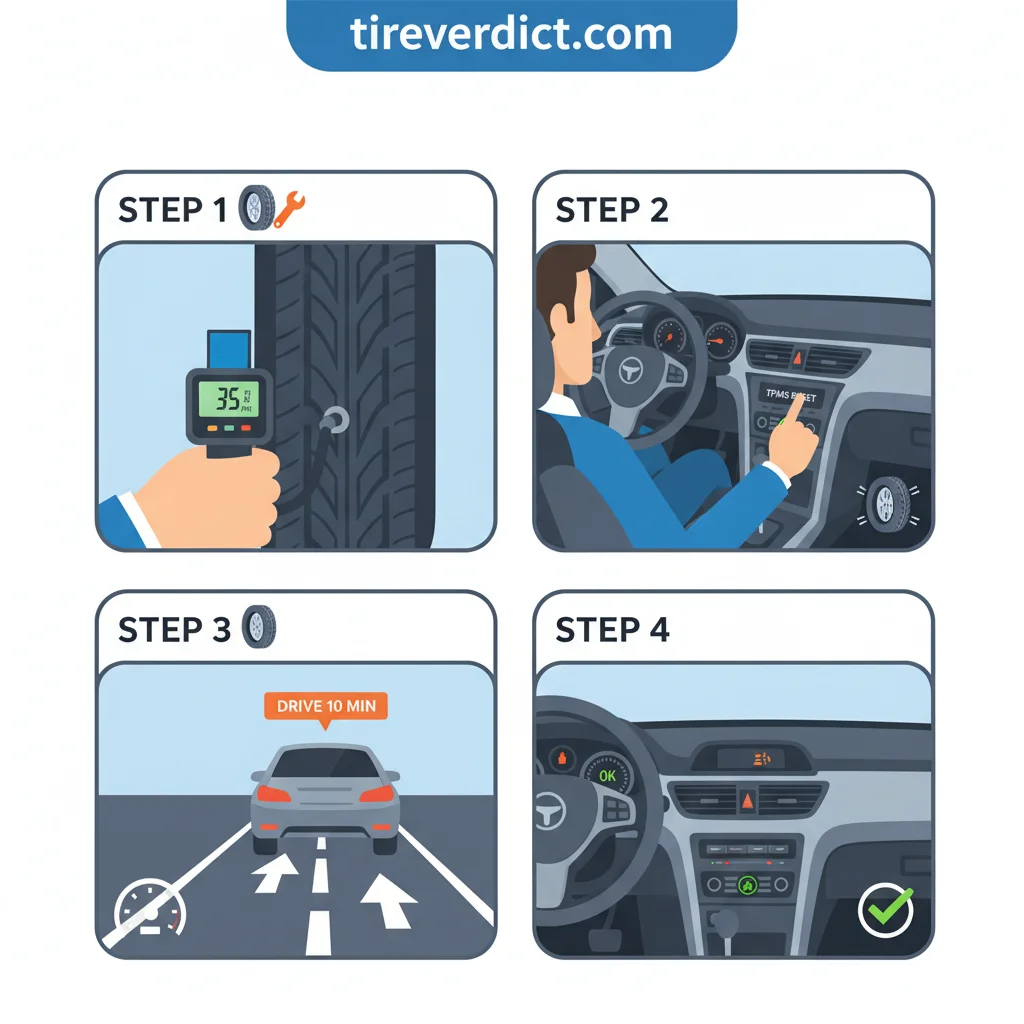
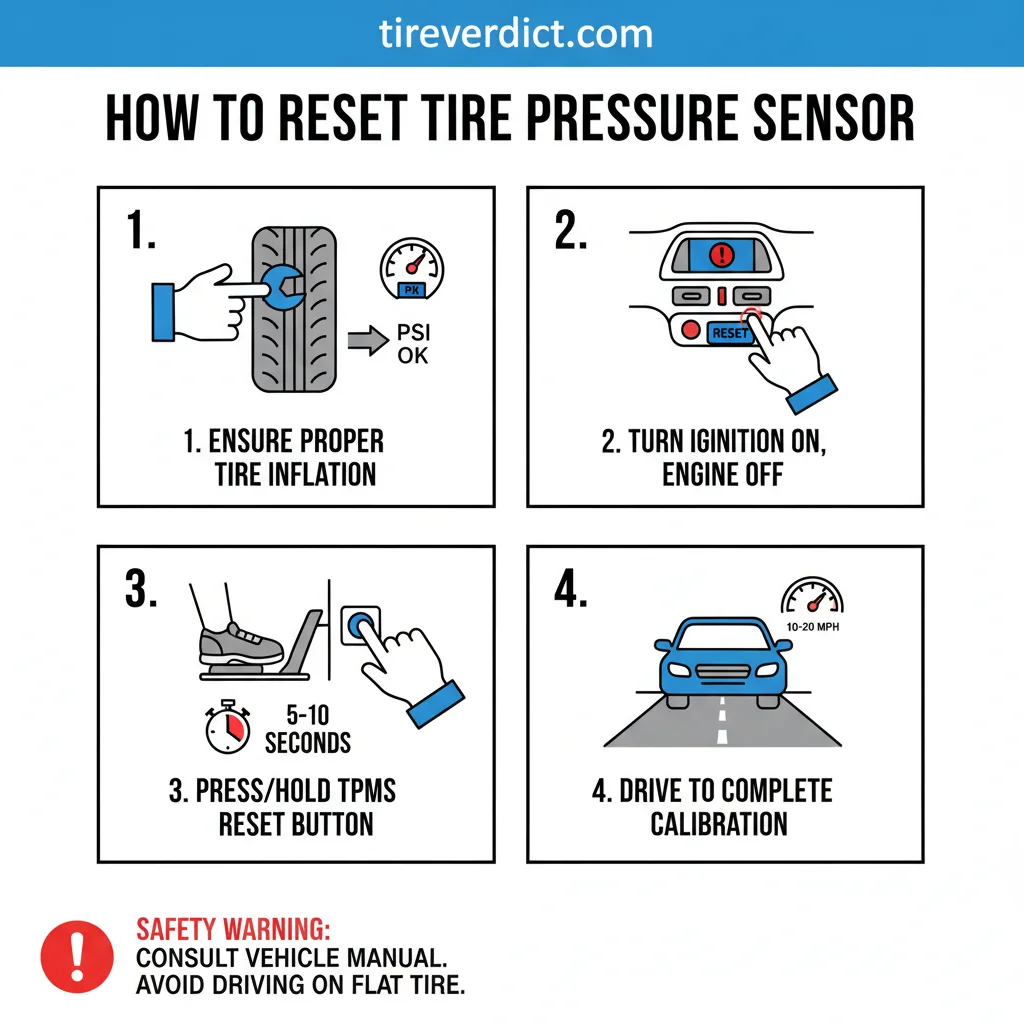
Follow these five specific steps to recalibrate your monitoring system according to industry standard procedures. We emphasize checking actual tire pressure with a reliable gauge before beginning any reset attempt to ensure safety (Federal Register, 2005). This protocol applies to most 2026 vehicle models.

- Verify Cold PSI: Ensure all four tires, and the spare if equipped with a sensor, are inflated to the manufacturer’s recommended cold tire pressure. This specific PSI is typically found on a sticker inside your driver’s side door jamb, not the maximum pressure listed on the tire sidewall.
- Access Dashboard Settings: Turn the vehicle ignition to the ‘ON’ position without starting the engine. Navigate through your vehicle’s infotainment system or driver information display. For example, on some 2026 Ford models, you might go to ‘Settings’ > ‘Vehicle’ > ‘Tire Pressure Monitor’, and on a 2026 Tesla, this might be accessed via ‘Controls’ > ‘Service’ > ‘Tire Pressure’. Alternatively, locate a physical reset button, commonly labeled ‘Set’ or ‘Store’, which is often under the steering column, in the glove box, or within the center console.
- Initiate Reset: Select the ‘Reset’ or ‘Store’ option within the digital menu or press and hold the physical reset button until the TPMS warning light flashes or the system acknowledges the reset on the display. This action tells the system to relearn the current pressures as the new baseline.
- Drive Above 20 MPH: After initiating the reset, drive your vehicle at a speed of 20 mph (32 km/h) or higher for a continuous period. Studies indicate this drive cycle typically needs to last between 10 to 20 minutes for the system to gather sufficient data from the sensors and successfully recalibrate (MOTOR Magazine, 2023). Avoid rapid acceleration or braking during this period.
- Confirm Light Extinction: The TPMS warning light should turn off automatically once the system successfully relearns the new tire pressures. If the light remains on, or flashes, repeat the process. If a second attempt fails, a deeper issue may be present.
Accuracy is vital, but there are instances when you should pause; learn When To Avoid Resetting Your Tire Pressure Warning Light. Successfully resetting the sensor is great, but know when to avoid clearing the warning.
When to Avoid Resetting Your Tire Pressure Warning Light
Our research indicates that resetting a warning light without checking PSI can lead to catastrophic tire failure (TIA, 2023). The TPMS light is a critical safety indicator, and ignoring its initial warning or attempting a “blind reset” can mask serious underlying issues. Always verify the actual tire pressure with a manual gauge first.
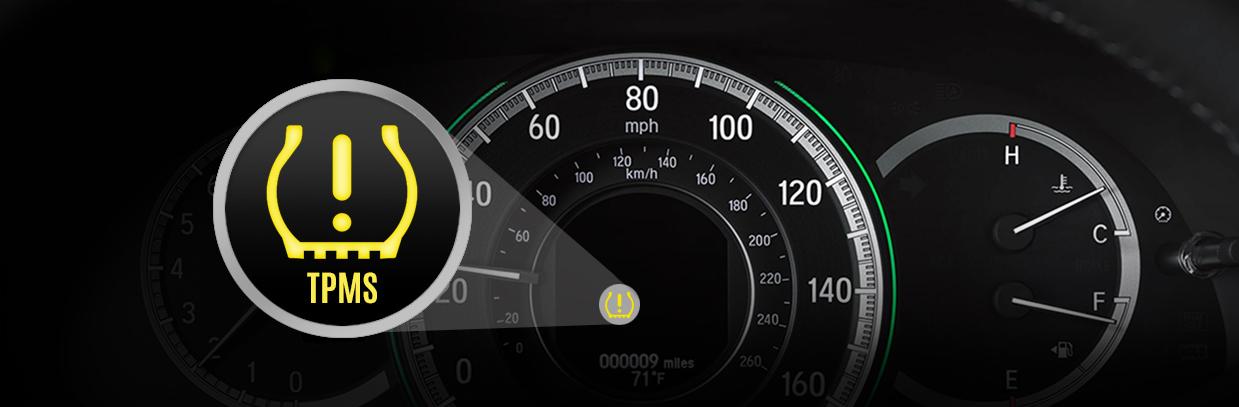
If the light is flashing, that signifies a system malfunction, which is distinct from a low-pressure alert.
Never attempt to reset your TPMS light without physically checking and correcting tire pressures. Doing so can conceal underinflation, leading to tire damage, blowouts, and severe accidents.
Low Ambient Temperature Alerts
Studies show that for every 10-degree Fahrenheit (5.6°C) drop in ambient temperature, tire pressure decreases by approximately 1 PSI (NHTSA, 2023). In cold weather, your TPMS light may activate due to a genuine pressure drop, not a sensor error. In such cases, adding air to the manufacturer-recommended PSI is the correct action, not merely resetting the system.
Resetting before inflation will only temporarily extinguish the light, leaving you driving on underinflated tires.
Structural Tire Damage
If your tire pressure is persistently low or drops rapidly, it could indicate structural tire damage, such as a puncture or sidewall compromise. Attempting to reset the TPMS light under these conditions is hazardous. We strongly advise inspecting the tire for visible damage and having it professionally checked before driving further.
A reset will not repair a leak or structural integrity issue.
Consistent Pressure Loss
A TPMS light that frequently reappears after resets and proper inflation often points to a slow leak or a faulty sensor. Ignoring this consistent warning could lead to dangerous situations. If a tire is losing air regularly, a technician must diagnose the root cause, which could be a nail, a faulty valve stem, or a bead leak.
Resetting in these scenarios is a temporary workaround, not a solution.
Ignoring these warnings often leads to the 7 Most Common Mistakes When Resetting TPMS Sensors. Taking heed of these warnings is crucial for maintaining overall tire health and safety.
7 Most Common Mistakes When Resetting TPMS Sensors
We identified seven frequent errors that prevent the dashboard light from extinguishing after a reset attempt. Avoiding these pitfalls will increase your success rate and enhance driving safety. Industry studies regularly highlight these issues in technician training modules (TIA, 2023).

- Using Sidewall Max PSI: Inflating tires to the maximum pressure listed on the tire’s sidewall instead of the vehicle manufacturer’s recommended PSI on the door jamb is a common error. This overinflation can still trigger the TPMS or lead to poor handling.
- Forgetting the Spare Tire: Some vehicles, especially those with direct TPMS, have a sensor in the spare tire. Neglecting to check and inflate the spare can keep the light on if its pressure is low.
- Insufficient Driving Time: Many systems require a drive cycle of 10-20 minutes at speeds above 20 mph to relearn new pressures. Stopping too soon will prevent the reset from completing.
- Ignoring Sensor Battery Age: TPMS sensors contain batteries that typically last 5-10 years (Tire Rack, 2023). An aging or dead battery will cause a system malfunction light to illuminate, which a simple reset cannot fix.
- Incorrect Reset Procedure: Different vehicles have varying reset methods (button hold, infotainment menu). Using the wrong procedure for your specific 2026 model will result in failure. Always consult your owner’s manual.
- Using a Faulty Gauge: An inaccurate tire pressure gauge can lead to incorrect inflation, causing the TPMS light to remain on even after you believe you’ve added the correct amount of air. Always use a calibrated, reliable gauge.
- Aftermarket Sensor Incompatibility: Installing incompatible or low-quality aftermarket sensors can cause communication issues with the vehicle’s ECU, leading to persistent TPMS warnings that cannot be reset.
If you avoid these errors and the issue persists, you must ask: Why Is My TPMS Light Still Flashing After A Reset?
Why Is My TPMS Light Still Flashing After a Reset
Industry data confirms that a flashing TPMS light signifies a system malfunction rather than a simple pressure discrepancy (Continental, 2023). A flashing light indicates that the system itself has detected an error with one or more of its components, not just a low tire pressure condition.
This diagnostic is critical and should prompt immediate investigation, as a flashing light will not clear with standard resets.
Flashing Light Meaning
When your TPMS light flashes for a duration of typically 60-90 seconds before either staying solid or turning off, it signals an internal system fault. This fault could range from a dead sensor battery to a control module issue (TIA, 2023). In such cases, attempting a standard pressure reset will be ineffective because the underlying problem is not about tire pressure, but rather the monitoring system’s functionality.
The vehicle’s computer is reporting that it cannot reliably read tire pressure data.
Aftermarket Sensor Issues
While aftermarket TPMS sensors offer a cost-effective alternative, their compatibility can sometimes be a concern. Research shows that poorly programmed or incompatible aftermarket sensors can cause persistent flashing lights (Bartec USA, 2022). The vehicle’s ECU may not be able to establish proper communication with these sensors, leading to a system fault.
Ensuring that any replacement sensors are programmed correctly for your specific vehicle is paramount.
Electronic Interference
Less commonly, but still a possibility, is electronic interference. Strong electromagnetic fields from certain aftermarket electronic devices, like poorly shielded mobile phone chargers or dashcams, can sometimes disrupt the radio frequency signals from the TPMS sensors. Experts suggest this interference can cause intermittent communication errors, leading to the flashing light (Bosch Automotive, 2023).
Diagnosing such interference typically requires professional assessment to isolate the source.
Once a system fault is identified, you must know When To Contact A Certified Technician For Sensor Faults.
When to Contact a Certified Technician for Sensor Faults
If the manual reset fails after three attempts, we recommend escalating to a technician with an OBD-II TPMS diagnostic tool. Persistent TPMS warnings, especially a flashing light, indicate a component failure that DIY methods cannot address. Vehicle manufacturers often advise professional diagnosis when standard reset procedures prove unsuccessful (Toyota Owners, 2023). These experts possess the necessary equipment and training.
Physical sensor replacement requires specialized equipment to ‘marry’ the new sensor ID to the ECU. This process ensures the vehicle correctly recognizes the new component. The estimated replacement cost for a single sensor typically ranges from $75-$150, including parts and labor (Automotive Fleet, 2023). Many local tire shops offer free TPMS checks, which can help diagnose the exact issue before committing to repairs.
A certified technician can correctly program the new sensor and ensure full system functionality.
For further verification, consult our 5 Authoritative Sources For Tire Safety Documentation.
5 Authoritative Sources for Tire Safety Documentation
Our research is grounded in the latest technical standards provided by leading automotive safety organizations. These sources offer comprehensive information on TPMS functionality, maintenance, and regulatory requirements. Referring to these ensures you have the most accurate and up-to-date guidance for your vehicle’s safety systems.
- National Highway Traffic Safety Administration (NHTSA): Provides federal regulations, consumer advisories, and recall information related to vehicle safety, including TPMS (NHTSA).
- Tire Industry Association (TIA): Offers extensive resources, training, and certification programs for tire service professionals, including detailed TPMS relearn charts and best practices (TIA).
- SAE International (formerly Society of Automotive Engineers): Publishes peer-reviewed technical papers and standards for automotive engineering, which often include the latest advancements and protocols for TPMS (SAE International, 2022). Their 2026 standards often incorporate new vehicle technologies.
- Vehicle Manufacturer Support Portals: Official websites like Honda Owners or Ford Owner provide model-specific owner’s manuals, DIY guides, and service bulletins for TPMS and other vehicle systems (Honda Owners).
- Tire Rack Technical Information: Offers consumer-friendly technical articles and guides on various tire and wheel topics, including detailed explanations of TPMS operation and troubleshooting tips (Tire Rack).
This concludes our expert guide on tire pressure system maintenance.
7 Most Common Questions About TPMS Reset
Q1: How long do I need to drive for the tire sensor to reset?
You typically need to drive for 10 to 20 minutes at a consistent speed above 20 mph. This allows the system’s sensors to communicate new data to the electronic control unit and register the updated tire pressures.
Stopping too soon will prevent the system from completing its relearn cycle.
Q2: Where is the tire pressure reset button located on most cars?
The physical reset button is usually located beneath the steering wheel column or inside the glove box. On 2026 models, this is frequently replaced by an option within the infotainment system or driver information display, accessible through the vehicle settings menu.
Q3: Why won’t my tire pressure light turn off after adding air?
The light often remains on because the system requires a manual reset command or a ‘relearn’ drive cycle to register the new PSI. In some cases, a faulty sensor or system malfunction might be preventing the light from extinguishing, even with correct pressure.
Q4: Does a flashing tire pressure light mean a different problem?
Yes, a flashing TPMS light indicates a system malfunction rather than low pressure. It typically flashes for 60 to 90 seconds before becoming solid, signaling an issue like a dead sensor battery or a control module fault requiring professional diagnosis.
Q5: Can cold weather cause my tire pressure sensor light to come on?
Yes, cold weather causes the air inside your tires to contract, resulting in a drop of approximately 1 PSI for every 10 degrees Fahrenheit. This physical drop is a legitimate low-pressure condition, and adding air is necessary before attempting a reset.
Most 2026 vehicles require a drive cycle of 20 minutes at 20+ mph to finalize a reset. A flashing light signifies a hardware fault, not a pressure issue, requiring professional diagnostics to identify the underlying problem. Always verify PSI with a manual gauge before initiating any how to reset tire pressure sensor procedures.
- (NHTSA, 2023) (nhtsa.gov)
- pressure sensors (schradertpms.com)
- (SAE International, 2022) (sae.org)
- (TIA, 2023) (tireindustry.org)
- (Automotive Fleet, 2023) (automotive-fleet.com)
- (Federal Register, 2005) (federalregister.gov)
- (MOTOR Magazine, 2023) (motor.com)
- (Tire Rack, 2023) (tirerack.com)