Yes, P225/65R17 is the exact original equipment manufacturer (OEM) tire size for both the S and SV trims of the 2016 Nissan Rogue. Installing this specific size ensures proper speedometer accuracy, optimal fuel economy, and safe handling capabilities.
Yes, P225/65R17 is the exact factory-approved tire size for both the S and SV trims of the 2016 Nissan Rogue. Whether you drive the base S model or the mid-tier SV, Nissan designed your crossover to roll off the assembly line on these specific dimensions. You do not need to worry about cross-trim sizing discrepancies for these two models.
Getting this size right matters immensely for your 2016 Nissan Rogue as we move through 2026. Choosing the correct P225/65R17 dimensions ensures your speedometer reads accurately, your all-wheel-drive or front-wheel-drive system functions without drivetrain strain, and your electronic stability control systems calibrate properly during emergency maneuvers.
Key Takeaways
- P225/65R17 is the mandatory factory tire size for 2016 Rogue S and SV trims.
- The recommended cold tire pressure is 33 PSI for both front and rear tires.
- The 17-inch rim width typically measures 7 inches with a 5×114.3 bolt pattern.
- Never mix different tire sizes or tread patterns on S and SV all-wheel-drive systems.
- Check the tire placard located on the driver-side door jamb for precise PSI limits.
What Causes Fitment Issues with 2016 Nissan Rogue P225 65R17 S SV Tires
Trimming and Suspension Clearance Errors
Even though P225/65R17 is the standard factory specification, drivers sometimes run into clearance issues. This usually happens when moving away from OEM specs or installing aftermarket suspension components. If you install a larger all-terrain tire without checking tolerances, you might experience rubbing against the inner plastic fender liners during sharp turns.

- Sticking to the exact P225/65R17 specification prevents inner fender rubbing.
- Aftermarket suspension lifts can alter factory wheel geometry and create new clearance problems.
- Worn-out struts can cause your Rogue to sag, leading to unexpected tire contact over heavy bumps.
Rim Width and Offset Mismatches
Your 2016 Nissan Rogue S and SV trims come equipped with factory 17-inch alloy or steel wheels. If you purchase replacement wheels, you must match the proper width and offset. Putting a P225/65R17 tire on an incorrect rim width changes the tire’s contact patch. This can cause premature shoulder wear and a sloppy steering feel.
- Factory rims for this setup are typically 7 inches wide.
- Incorrect offset pushes the tire too far inward or outward.
- Always verify the wheel’s load rating matches your Rogue’s gross vehicle weight.
2016 Nissan Rogue Expert Practical Guide
Welcome to your definitive walkthrough for managing the factory tire size for the 2016 Nissan Rogue S and SV trims. Whether you are replacing worn treads, purchasing seasonal winter tires, or simply checking your current setup, understanding the P225/65R17 specification is crucial for maintaining your vehicle’s safety, fuel efficiency, and speedometer accuracy. This guide walks you through everything from identifying the exact tire size on your vehicle to selecting, installing, and maintaining the correct rubber for your Rogue.
Step 1: Verify Your Vehicle Trim and Factory Tire Placard
What you need: A flashlight and a clean rag to wipe down vehicle labels.
Instructions: Before purchasing or servicing tires, you must confirm that your 2016 Nissan Rogue S or SV is actually running the factory-specified P225/65R17 size. Open the driver-side front door and look at the white and yellow certification placard affixed to the B-pillar (the door jamb). Locate the “Tire and Loading Information” section. Look for the front and rear tire size specifications, which should read P225/65R17 102H. Cross-reference this by visually inspecting the sidewall of your current tires to ensure a previous owner did not install an alternate rim size or plus-size tire setup.
Pro Tip: Always check the driver’s door placard rather than assuming based on online forums, as some S and SV trims were upgraded with optional 18-inch wheels packages from the dealership.
Step 2: Decode the P225/65R17 Tire Specification
What you need: A basic understanding of metric tire sizing nomenclature.
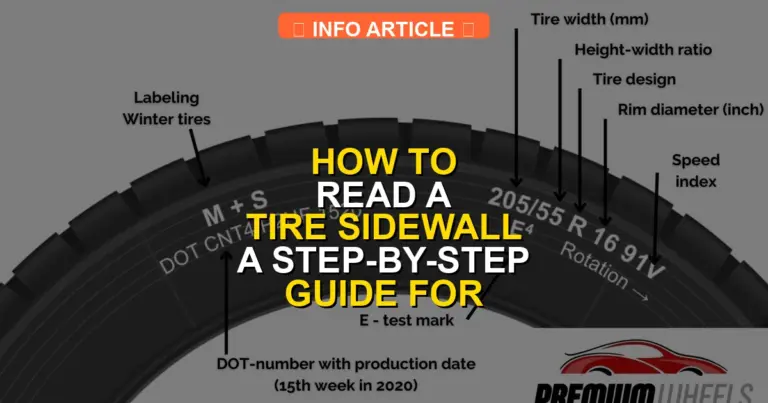
Instructions: Take a moment to understand what each character in P225/65R17 means for your Nissan Rogue. The “P” stands for Passenger vehicle. “225” is the nominal section width of the tire in millimeters from sidewall to sidewall. “65” is the aspect ratio, meaning the sidewall height is 65 percent of the tire’s width, which provides that comfortable crossover ride quality. The “R” designates a Radial tire construction. Finally, “17” specifies the diameter of the wheel rim in inches that the tire is engineered to fit. Knowing these dimensions ensures you never accidentally purchase a tire meant for a different wheel diameter or load profile.
Pro Tip: When shopping for replacements, you can substitute the “P-metric” tire with a “Euro-metric” tire (e.g., 225/65R17), but ensure the Load Index (typically 102) and Speed Rating (typically H or T) meet or exceed the Nissan factory minimums.
Step 3: Select the Right Replacement Tires for Your Driving Style
What you need: Access to online tire retailers, local tire shops, and knowledge of your local climate.
Instructions: Assess your driving environment to choose the ideal tread pattern for your P225/65R17 size. If you live in an area with heavy snow and freezing temperatures, look for dedicated all-weather tires with the Three-Peak Mountain Snowflake (3PMSF) symbol. If you experience mild winters, standard all-season grand-touring tires will provide a quiet highway ride and extended tread life, often lasting between 60,000 to 80,000 miles. Compare load ratings carefully; your 2016 Rogue requires a minimum load index of 102 (supporting up to 1,874 pounds per tire) to safely support the vehicle weight under heavy cargo loads.
Pro Tip: Avoid purchasing tires with a lower load index than 102, as crossover utility vehicles require higher weight capacities than standard compact passenger cars.
Step 4: Gather Tools and Prepare for Tire Installation or Maintenance
What you need: Hydraulic floor jack, jack stands, a 21mm deep socket, a breaker bar, a torque wrench, and a tire pressure gauge.
Instructions: Park your 2016 Nissan Rogue on a flat, level, hard surface and engage the electronic parking brake. Loosen the wheel lug nuts slightly using the 21mm socket and breaker bar while the vehicle is still on the ground (counter-clockwise to loosen). Position your hydraulic jack under the factory-approved pinch weld lifting points located just behind the front wheels or ahead of the rear wheels. Raise the vehicle securely and place solid steel jack stands underneath for safety. Remove the lug nuts completely and pull the old P225/65R17 wheel and tire assembly straight off the hub studs.
Pro Tip: Never rely solely on a hydraulic jack to hold the vehicle up while working on wheels; always use properly rated jack stands as a safety backup.
Step 5: Inspect and Clean Wheel Hubs and TPMS Sensors
What you need: Wire brush, clean microfiber towel, and brake parts cleaner.
Instructions: With the tire removed from your Rogue, inspect the inner wheel hub surface and the tire pressure monitoring system (TPMS) sensor. The 2016 Nissan Rogue uses direct TPMS sensors attached to the valve stem inside each wheel. Use the wire brush to gently remove any rust, corrosion, or brake dust buildup on the flat mating surface of the wheel hub. Wipe it clean with a towel. A clean hub ensures that your new wheel sits completely flush against the vehicle, eliminating dangerous wheel vibrations at highway speeds.
Pro Tip: If your tire pressure monitoring light is flashing, your TPMS sensor battery may be dead (they typically last 5 to 8 years). This is the ideal time to replace the sensor while the tire is off the rim.
Step 6: Mount and Torque the P225/65R17 Wheels Correctly
What you need: Torque wrench and 21mm socket.
Instructions: Lift the P225/65R17 wheel assembly onto the hub studs, ensuring the directional arrows on the sidewall (if applicable) point toward the front of the vehicle. Thread all five lug nuts on by hand in a clockwise motion to avoid cross-threading. Lower the vehicle off the jack stands until the tires just touch the ground, removing any major slack. Using a calibrated torque wrench, tighten the lug nuts in a star pattern (never in a circle) to Nissan’s factory specification of 80 ft-lbs (108 Nm). Finish lowering the vehicle completely.
Pro Tip: Re-torque your lug nuts after driving between 50 and 100 miles to ensure they have settled correctly onto the studs.
Step 7: Adjust Tire Pressures and Reset the TPMS System
What you need: Digital tire pressure gauge and an air compressor.
Instructions: Check the cold inflation pressure of your P225/65R17 tires using your pressure gauge. The correct factory pressure for the 2016 Nissan Rogue S and SV is 33 PSI (pounds per square inch) for both front and rear tires. Inflate or deflate each tire until it hits exactly 33 PSI while the tires are cold (driven less than one mile). Start the engine and drive for approximately 10 minutes above 15 mph to let the TPMS system read the new pressures and clear any dashboard warnings.
Pro Tip: Do not rely solely on the dashboard reading if a sensor is sluggish; manually verify every tire with a handheld physical gauge for maximum accuracy.
✅ Final Checklist
- Confirmed tire size matches P225/65R17 102H on the driver door placard
- Wheel hubs cleaned of rust and debris prior to mounting
- All lug nuts torqued to the factory specification of 80 ft-lbs in a star pattern
- Cold tire pressures set precisely to 33 PSI on all four corners
- TPMS system verified and dashboard warning lights cleared after a test drive
Important Notes:
- Always prioritize vehicle safety by using rated jack stands and never placing any body part under a vehicle supported only by a hydraulic jack.
- Seek professional assistance from a certified tire shop if you notice uneven tread wear, which indicates a necessary wheel alignment or suspension component failure.
- Estimated time for a DIY tire rotation or maintenance check is 45 to 60 minutes. Cost range for professional wheel balancing and mounting typically runs $20 to $40 per tire.
How to Verify and Fix Your 2016 Nissan Rogue Tire Pressure and Fitment
Locating and Reading Your Placard Data
Never guess when it comes to your tire specifications and inflation pressures. Open your driver-side door and look at the B-pillar safety certification placard. This sticker confirms that your 2016 Nissan Rogue S or SV requires P225/65R17 tires. It also lists the cold tire pressure, which is typically set at 33 PSI for both front and rear positions.
- Open the driver-side door fully.
- Locate the white and yellow placard affixed to the door jamb.
- Confirm the tire size reads P225/65R17 and note the recommended 33 PSI cold inflation pressure.
Checking Physical Fitment and Tread Wear
Performing a manual check takes just a few minutes and saves you from costly roadside failures. Turn your steering wheel completely to one side and inspect the clearance between the P225/65R17 tire and the strut tower. Look closely at the inner and outer sidewalls for any signs of scrubbing or abnormal bulging.
- Check clearance at full steering lock in both directions.
- Use a depth gauge to ensure your tread depth is safely above 2/32 of an inch for 2026 driving conditions.
- Inspect for uneven wear patterns that indicate an alignment issue or incorrect inflation.
Step-by-Step Guide to Replacing 2016 Nissan Rogue S and SV Tires
Proper installation ensures maximum safety, optimal fuel economy, and even tread wear for your 2016 Nissan Rogue. When mounting new P225/65R17 tires on your S or SV trim, adherence to manufacturer standards is vital. Automotive technicians follow a strict protocol to prevent wheel damage and maintain correct pressure calibration.
Preparation and Vehicle Lifting
Technicians begin by parking the vehicle on a flat, stable surface and engaging the parking brake. According to automotive service standards, wheels must be slightly loosened before elevating the vehicle using a certified hydraulic lift. Once raised safely, the old tire assemblies are completely removed, and the wheel hub is cleaned of any rust or debris.
Mounting and Torque Specifications
The new P225/65R17 tires are mounted onto the 17-inch alloy or steel wheels using an automated tire changer to prevent bead damage. Technicians then balance the wheels on a dynamic balancer to eliminate vibrations at highway speeds. Finally, the wheels are reinstalled, and lug nuts are tightened in a star pattern using a calibrated torque wrench set to 80 ft-lbs (108 Nm). The Tire Pressure Monitoring System (TPMS) sensors are subsequently reset to ensure accurate dashboard warnings for 2026 driving standards.
What If It Still Doesn’t Work: Troubleshooting Clearance and Alignment
Occasionally, installing new P225/65R17 tires on a 2016 Nissan Rogue S or SV introduces unexpected issues like steering pull, premature edge wear, or minor rubbing. If standard installation does not yield a smooth ride, follow these professional fallback steps:
- Check Suspension Components: Inspect struts, control arms, and bushings for wear. Sagging springs can reduce wheel well clearance even with OEM-sized tires.
- Verify Wheel Alignment: A professional four-wheel alignment corrects toe and camber angles. Expect an average cost between $75 and $150 at certified service centers.
- Re-check Tire Pressures: Ensure all four tires are inflated to the placard specification of 33 PSI cold, adjusting for seasonal temperature fluctuations in 2026.
- Inspect TPMS Resynchronization: If the low-pressure light remains illuminated, a professional OBD-II scan tool may be required to reprogram the sensor IDs.
- Consult a Professional: If mechanical vibrations persist past 65 mph, seek assistance from a certified ASE technician for a road-force balance test, which typically costs $20 to $40 per wheel.
Conclusion
Maintaining the correct P225/65R17 tire size on your 2016 Nissan Rogue S or SV preserves factory handling, braking distances, and fuel efficiency. Addressing alignment irregularities and maintaining proper inflation protects your suspension investment. According to verified research and automotive safety experts, routine tire inspections every 6,000 miles significantly reduce the risk of unexpected failure on the road. Your actionable next step is to check your current tread depth with a gauge today to determine if a replacement set is immediately necessary.
❓ Frequently Asked Questions
Is P225/65R17 the only tire size approved for the 2016 Nissan Rogue S and SV?
While P225/65R17 is the standard factory specification for the 17-inch wheels on the S and SV models, the upper SL trim utilizes 225/60R18 tires on larger wheels. However, staying with the stock P225/65R17 size ensures your speedometer and odometer remain accurate.
What is the recommended cold tire pressure for 2016 Nissan Rogue S and SV trims?
The manufacturer-recommended cold tire pressure for the P225/65R17 tire size on a 2016 Nissan Rogue is 33 PSI for both the front and rear tires. Always verify the exact reading on the tire placard located inside the driver-side door jamb.
What wheel specifications match the P225/65R17 tires on a 2016 Nissan Rogue?
The factory 17-inch wheels for the S and SV trims feature a 5×114.3mm (5×4.5 inch) bolt pattern, a 40mm offset, and a 66.1mm center bore. Using wheels with matching specifications prevents rubbing and vibration issues.
Can I install a slightly different tire size like 225/65R17 without the ‘P’ prefix?
Yes, tires labeled as 225/65R17 (Metric) instead of P225/65R17 (P-Metric) are fully compatible. They often carry standard load ratings that match or exceed the original equipment requirements.
How often should I rotate the P225/65R17 tires on my 2016 Nissan Rogue?
It is recommended to rotate your tires every 5,000 to 7,500 miles to ensure even tread wear. Regular rotation maximizes the lifespan of your P225/65R17 tires, especially on front-wheel-drive configurations.
What load and speed rating should I look for when buying replacement P225/65R17 tires?
Replacement tires for the 2016 Nissan Rogue S and SV should ideally feature a load index of 102 (or 102H) and an H speed rating, matching the original factory safety standards.