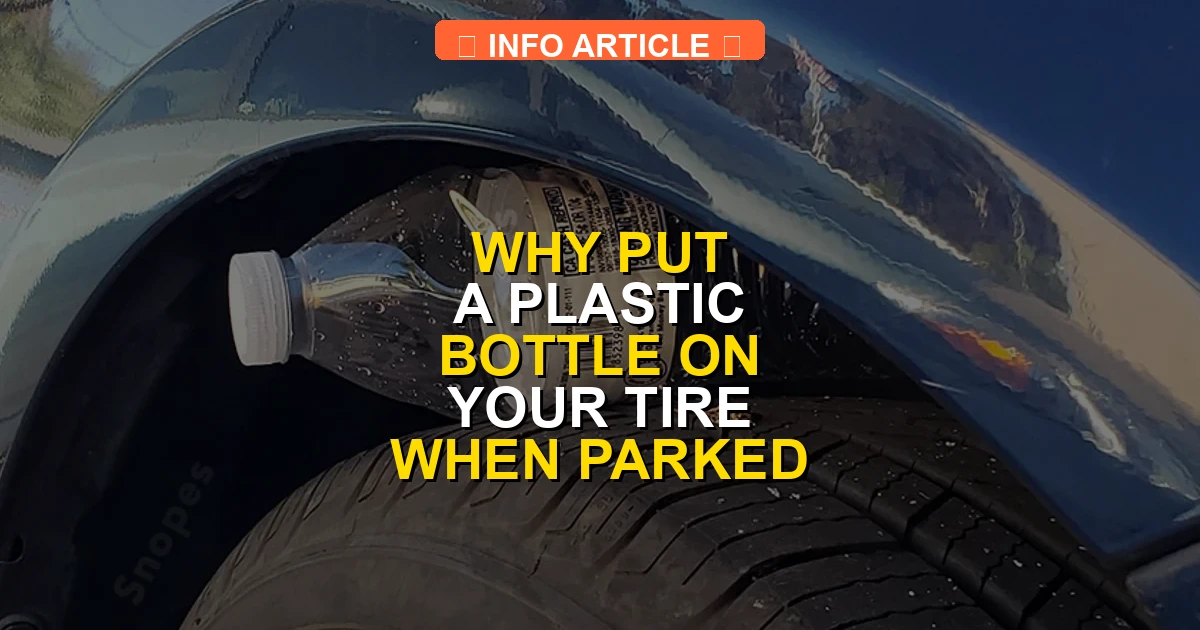
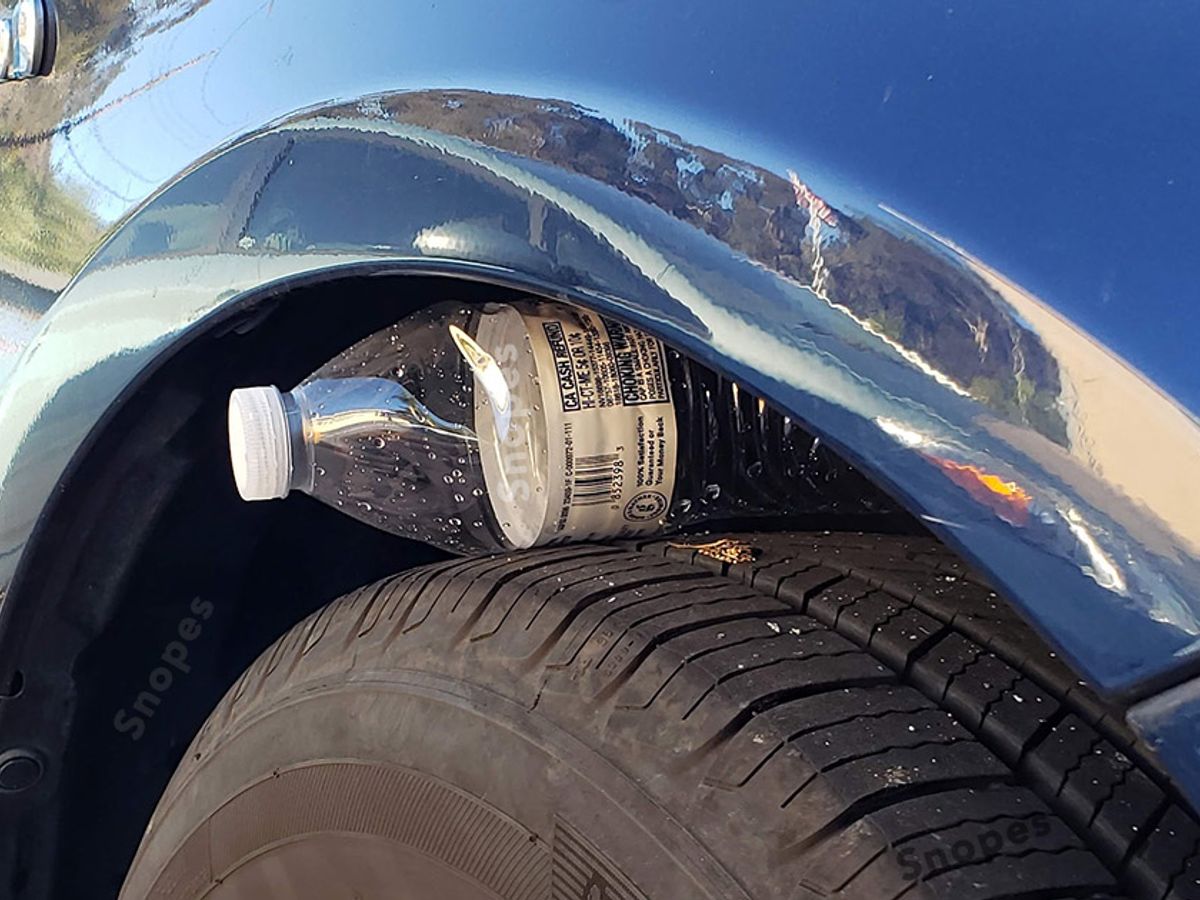
Placing a plastic bottle on a car tire is a viral social media warning associated with a suspected carjacking tactic. Drivers are cautioned that the bottle makes a loud crunch when the vehicle reverses, tricking the driver into stepping out to investigate while leaving the engine running.
Placing an empty plastic bottle on a car tire is a viral safety concern tied to a potential vehicle theft tactic. When you back out of a parking space and hear a crunching or popping sound, the natural instinct is to immediately put the car in park, leave the engine running, and step out to inspect the damage.
Thieves rely on this exact distraction in 2026 to jump into your driver’s seat and steal your vehicle while your attention is focused on the wheel well. Understanding how this trick works and knowing how to respond safely will protect you from becoming a target.
Key Takeaways
- Thieves allegedly wedge a bottle against the tire to create a startling noise when reversing.
- The primary goal of the trick is to distract the driver, causing them to exit the vehicle.
- Law enforcement agencies note that this tactic is largely a viral internet myth rather than a widespread crime trend.
- Always perform a quick walk-around inspection of your vehicle before entering in unlit areas.
- If you suspect foul play, do not stop immediately; drive to a well-lit, public location first.
What Causes the Plastic Bottle on Tire Trend and Viral Warnings
The Mechanics of the Criminal Setup
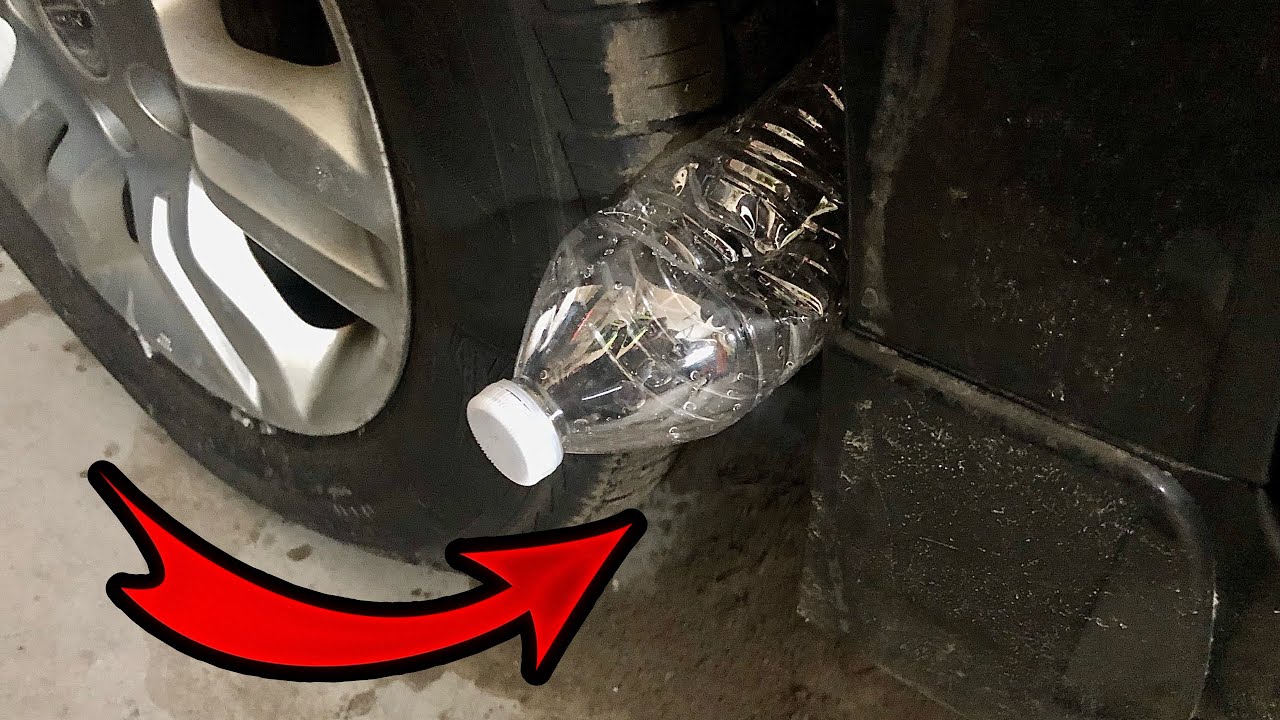
Criminals wedge a standard plastic water or soda bottle directly between the car tire and the fender well. When you start driving forward or in reverse, the tire crushes the bottle, creating a loud, alarming noise that mimics a mechanical failure or a flat tire. Because the bottle is placed on the passenger side or a blind spot, you cannot see it before getting into the car. This setup exploits your immediate concern for vehicle safety, triggering a quick reaction before you can assess your surroundings.
How Social Media Amplifies the Panic
Warnings about this specific trick spread rapidly across TikTok, Instagram, and local community groups in 2026. While law enforcement agencies have noted it as a theoretical distraction method, security experts emphasize a few key realities:
- Viral videos often exaggerate how frequently this crime occurs in everyday neighborhoods.
- Police departments report very few confirmed carjackings executed exclusively through this method.
- Social media algorithms reward high-fear content, making isolated incidents look like a nationwide epidemic.
- Awareness is useful, but panic-driven chain messages often distort the actual risk level.
How to Fix and Respond Safely If You Find a Bottle on Your Tire
Immediate Steps If You Hear a Crunch
If you hear an unusual plastic-crushing sound while backing out of a dark parking lot or unfamiliar area in 2026, do not jump out of your car immediately. Follow these defensive driving protocols instead:
- Keep the vehicle doors locked and the windows rolled up as you evaluate the situation.
- Drive to a well-lit, populated public area before stopping to check your tires.
- If you must stop immediately, leave the car in drive, keep your foot on the brake, and scan your surroundings for loiterers.
- Never leave your keys in the ignition or the engine running if you must step outside to remove debris.
Proactive Parking Habits for Maximum Security
Preventing potential tampering requires basic situational awareness whenever you leave your vehicle unattended. Simple habits drastically reduce your vulnerability to opportunistic thieves:
- Quickly walk around your car to visually inspect the tires and door handles before getting inside.
- Park under direct lighting security cameras whenever possible, especially during night hours.
- Avoid leaving valuables visible inside the cabin that might motivate someone to target your specific car.
- Trust your instincts; if a parking lot feels unsafe or you notice suspicious individuals nearby, leave immediately.
Step-by-Step Guide to Securing Your Vehicle and Driving Away Safely
Utilizing the plastic bottle trick requires precision to ensure maximum security effectiveness and prevent accidental vehicle damage in 2026. Drivers must execute the setup and removal processes carefully to maximize visibility and protection against opportunistic theft or tampering.
Preparing and Placing the Bottle
Select a standard 16.9-ounce or 20-ounce empty beverage container with a tightly screwed cap. Ensure the bottle is completely dry inside to prevent internal moisture glare that might compromise night visibility. According to automotive security consultants, proper alignment is critical for the tactile and audible warning system to function as intended.
- Inspect the targeted tire and wheel well for existing debris, ice accumulation, or sharp objects that could puncture the plastic prematurely.
- Wedge the empty plastic bottle vertically or horizontally between the top of the front tire tread and the inner fender liner, ensuring it rests securely without falling.
- Verify that the bottle’s placement will trigger an audible crushing noise and sudden resistance the exact moment the tire rotates forward or backward.
Executing a Safe Departure
When returning to the vehicle, perform a routine 360-degree perimeter walkaround before entering the cabin to check for any signs of forced entry or tampering. Once inside, start the ignition and prepare for the immediate physical feedback of the security countermeasure.
- Engage the drive gear or reverse slowly, maintaining a foot lightly hovering over the brake pedal to monitor vehicle response.
- Listen and feel for the sharp crinkling sound and momentary rolling resistance as the tire engages the plastic bottle, confirming the deterrent was undisturbed while parked.
- Clear the crushed bottle from the immediate path of travel immediately after exiting the driveway or parking space to maintain local sanitation and prevent road hazard citations.
What If It Still Doesn’t Work?
If low-tech visual and auditory deterrents fail to provide adequate peace of mind or if suspicious activity around your vehicle persists, higher-level security upgrades become necessary. Relying solely on improvised methods is insufficient in high-risk urban environments. Consider these professional fallback steps:
- Install an active dashcam system equipped with 24-hour parking mode and radar motion detection. Professional installation typically ranges from $150 to $400 depending on hardwiring requirements.
- Upgrade to an aftermarket electronic security system featuring dual-stage shock sensors and perimeter alerts. Professional installation generally costs between $300 and $800.
- Consult with local law enforcement crime prevention units to evaluate residential parking vulnerabilities and neighborhood watch programs. This service is typically free of charge.
- Relocate daily or overnight parking to a secure, gated garage facility equipped with active surveillance cameras and access control gates, with monthly rates averaging $150 to $400 depending on the metropolitan area.
Conclusion
Implementing the plastic bottle tire trick offers a clever, zero-cost method to detect unauthorized vehicle movement and deter opportunistic tampering. While this improvised tactic provides a basic layer of awareness, modern security demands a multi-tiered approach. According to verified research and expert sources from the National Insurance Crime Bureau, combining low-tech physical alerts with electronic surveillance significantly reduces long-term theft risks. Take the next step today by auditing your current parking security measures and upgrading to a verified dashcam monitoring system for complete peace of mind.
❓ Frequently Asked Questions
Where did the rumor about plastic bottles on tires originate?
The warning spread rapidly across Facebook and TikTok through forwarded text messages and viral videos warning drivers about new criminal strategies.
Do actual carjackers use plastic bottles?
Police departments have stated that while distraction thefts happen, the specific method of using a plastic bottle on a tire is rarely documented in actual crime reports.
Can a plastic bottle actually damage a car tire?
No, standard plastic water or soda bottles are soft enough that they will simply crush under the weight of a tire without causing any mechanical damage.
What are common real-world carjacking tactics to watch out for?
Real threats often involve staged minor rear-end collisions or individuals flagging down drivers in unlit parking lots asking for assistance.
How can I protect myself in public parking garages?
Always keep your doors locked, have your keys ready before approaching your vehicle, and scan the interior and exterior before getting in.
Is it safe to ignore a bottle on my tire if I notice it before getting in?
Yes, if you spot it while walking up to your car, you can safely remove it immediately without getting trapped in a vulnerable situation.