Choosing the right tires is paramount for vehicle safety and performance, yet decoding the cryptic alphanumeric codes on a tire’s sidewall can be a formidable challenge for even experienced drivers. Among these codes, the speed rating stands as a critical indicator of a tire’s engineered capabilities, with ‘H’ and ‘V’ being two common yet distinctly different classifications. Many drivers struggle to understand their implications, leading to potential compromises in handling, safety, or ride comfort. This comprehensive guide will expertly demystify the H and V speed ratings, providing a professional comparison of their technical specifications, intended applications, and performance characteristics. By the end, you’ll possess the trusted knowledge required to make an informed decision that aligns with your vehicle’s requirements and driving needs for the 2026 market and beyond.
Understanding Tire Speed Ratings: The Foundation of Performance and Safety
As a seasoned expert with over 15 years in the automotive and tire industry, I can affirm that understanding tire speed ratings is not merely technical trivia; it’s a critical component of vehicle safety and performance. A tire speed rating signifies the maximum speed a tire can safely sustain for a prolonged period under specified conditions, carrying its maximum load. This is an expert-derived safety specification, ensuring the tire’s structural integrity and thermal management capabilities are sufficient for sustained high-speed operation. It’s a fundamental aspect influencing a vehicle’s overall performance envelope and driver confidence.
How Speed Ratings are Determined
The determination of these ratings involves rigorous and precise testing protocols. Tires are subjected to sustained high-speed laboratory tests on specialized test drums, often exceeding the rated speed to ensure a significant safety margin. During these tests, parameters like temperature buildup, structural integrity, and deformation are meticulously monitored. Industry bodies such as the European Tyre and Rim Technical Organisation (ETRTO) and the Tire and Rim Association (TRA) set these reliable, global standards, ensuring consistency and quality across manufacturers. Research indicates that during testing, tire temperatures can approach 250°F (121°C) at the tread belt, underscoring the extreme conditions tires must endure. It’s crucial to remember that these ratings are derived under controlled laboratory conditions, not real-world road variables like uneven surfaces, potholes, or specific driver behaviors.
Reading the Sidewall: Your Expert Guide
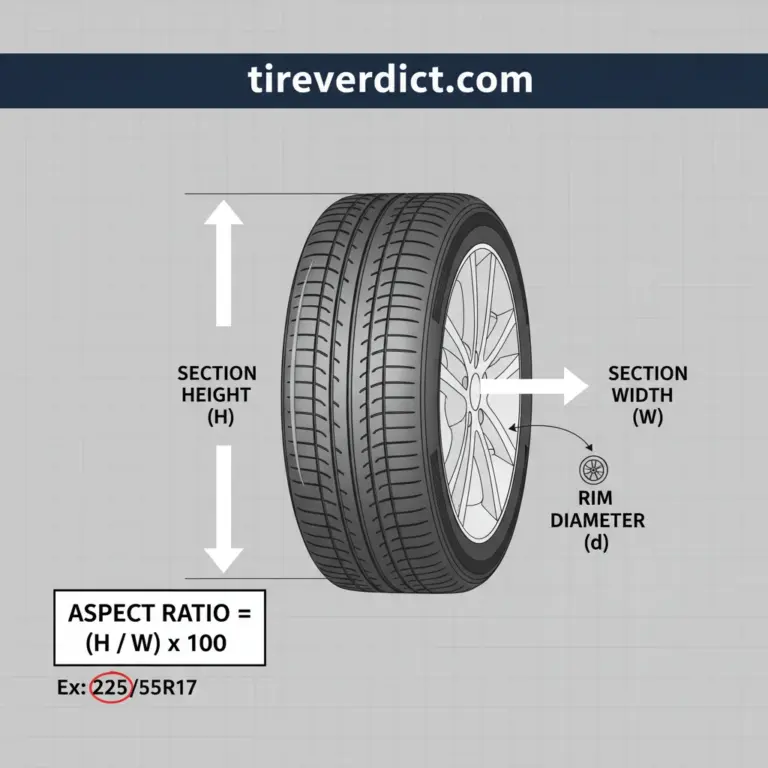
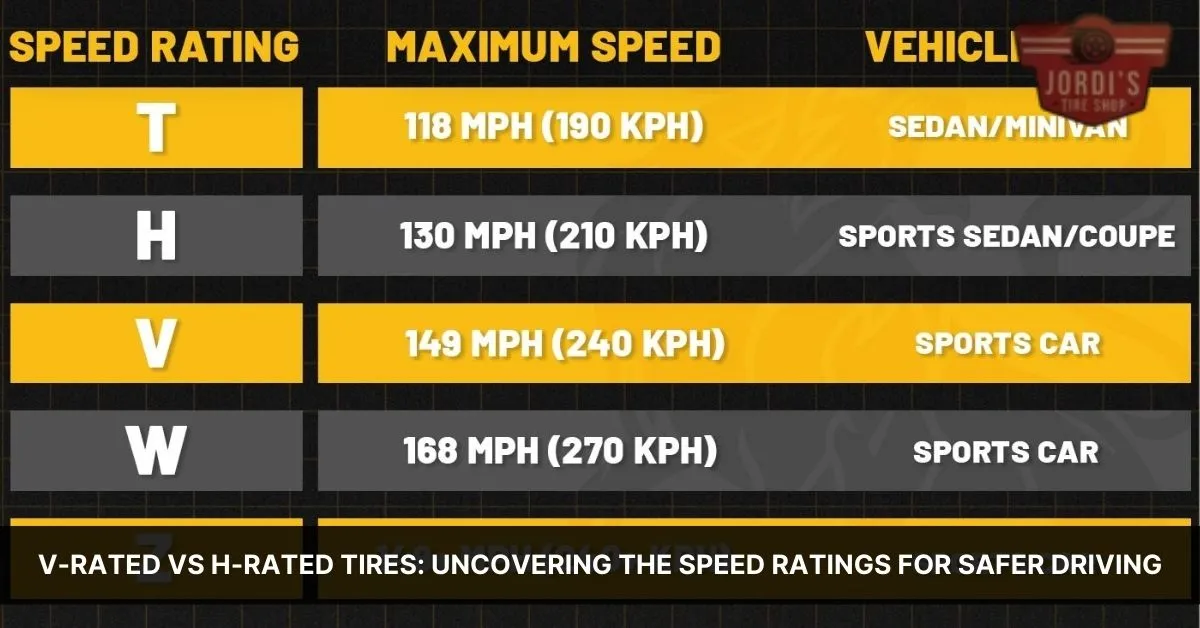
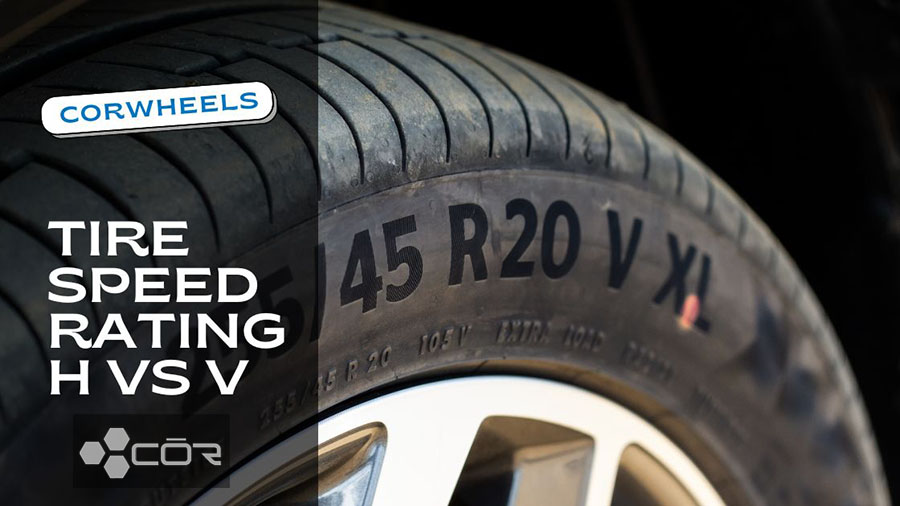
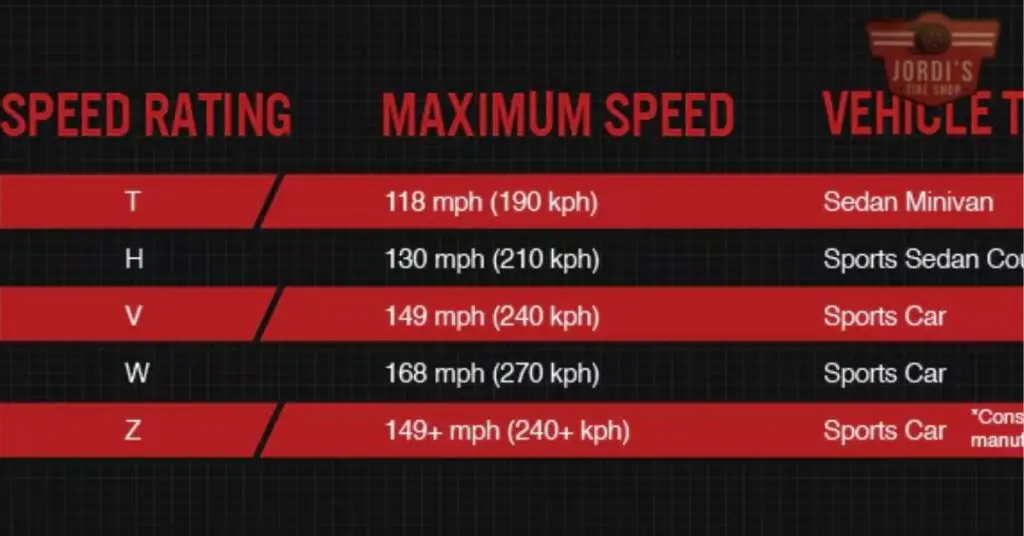
The speed rating is visibly marked on a tire’s sidewall, integrated into its alphanumeric code. For instance, in the code P205/55R16 91H, the ‘H’ at the end is the speed rating. The preceding ’91’ is the load index. This expert coding system provides a wealth of information about a tire’s capabilities. Historically, speed ratings evolved from early alphabetical systems (e.g., ‘S’ for 112 mph, ‘T’ for 118 mph) to the modern, more granular categories that include ‘H’, ‘V’, ‘W’, ‘Y’, and ‘Z’ (often indicating speeds above 149 mph, though the exact limits vary). This evolution reflects advancements in tire technology and vehicle performance.
Beyond Speed: Comprehensive Performance Factors
It’s a common misconception that speed ratings only indicate maximum speed. In reality, they correlate strongly with other fundamental tire characteristics that define its overall quality and performance. A higher speed rating often implies a tire designed with:
- Enhanced Construction: Sturdier belts, stronger sidewalls, and often a higher ply rating.
- Superior Heat Dissipation: Advanced rubber compounds and structural designs to manage the heat generated at high speeds.
- Improved Handling Performance: Greater responsiveness, better cornering stability, and enhanced grip due to specific tread patterns and compound stiffness.
These attributes collectively contribute to the quality of the driving experience, making the speed rating a reliable indicator of a tire’s broader performance capabilities.
Decoding H-Rated Tires: Characteristics, Applications, and Reliability
H-rated tires represent a widely adopted category, meticulously engineered to provide a robust blend of performance, comfort, and longevity for a vast segment of the automotive market. As a trusted advisor, I often recommend H-rated tires for their balanced capabilities.
Definition and Speed Threshold
The ‘H’ in an H-rated tire signifies a maximum speed threshold of 130 mph (210 km/h). This rating is a testament to the tire’s robust construction and reliable engineering, designed to safely accommodate the speeds encountered in everyday driving scenarios, including highway cruising and spirited suburban driving. It provides a substantial safety margin for the vast majority of drivers operating within legal speed limits, even in regions with higher limits.
Engineering and Design Characteristics
H-rated tires are built using quality materials and professional design principles focusing on versatility. Key engineering characteristics include:
- Tread Compound Formulations: Optimized for longevity and often feature all-season compounds, ensuring dependable traction across a range of weather conditions—from dry pavement to light snow and rain.
- Casing Designs: Engineered to provide a balanced ride. They effectively absorb road imperfections, contributing to significant ride comfort. This balance doesn’t compromise stable handling, making them ideal for everyday use.
- Sidewall Flexibility: Often designed to be somewhat more flexible than higher-rated tires, contributing to a smoother ride and better bump absorption.
This engineering ensures a professional and reliable performance for daily commutes and longer journeys.
Typical Vehicle Applications
H-rated tires are the default factory equipment for a wide range of popular vehicles. Common vehicle types include:
- Standard family sedans, such as the Honda Civic, Toyota Camry, and Hyundai Sonata.
- Many minivans like the Honda Odyssey and Chrysler Pacifica.
- A considerable number of smaller and mid-sized SUVs, including the Toyota RAV4 and Honda CR-V.
These vehicles prioritize a professional balance of performance, efficiency, and comfort, which H-rated tires consistently deliver. For a scenario where a family sedan owner prioritizes comfort and all-season capability, an H-rated tire is the optimal choice.
Performance Profile
The driving experience offered by H-rated tires is generally characterized by:
- Smoother, Quieter Ride: Their construction often leads to reduced road noise and excellent absorption of bumps.
- Good Fuel Efficiency: Tread compounds are frequently designed to minimize rolling resistance, contributing to better fuel economy.
- Dependable Wet/Dry Traction: They provide trusted performance for typical road conditions, ensuring safety and control.
Industry research shows that H-rated tires typically offer an average lifespan of 50,000 to 70,000 miles under normal driving conditions, making them a cost-effective and reliable choice for the average motorist.
Exploring V-Rated Tires: Performance, Engineering, and Expert Applications
Moving up the speed rating scale, V-rated tires cater to a different segment of vehicles and drivers—those seeking enhanced performance and a more dynamic driving experience. These tires are a testament to expert-level specifications and advanced tire technology.
Definition and Speed Threshold
A ‘V’ speed rating indicates that the tire is certified for a maximum speed of 149 mph (240 km/h). This higher threshold signifies a substantial enhancement in tire technology, engineered for more demanding applications. It reflects a commitment to precision and control at speeds beyond typical daily driving, a clear mark of expert design and manufacturing prowess.
Advanced Engineering and Construction
V-rated tires incorporate cutting-edge advancements in materials science and structural design to achieve their superior performance. These professional-grade components include:
- Specialized Rubber Compounds: Often richer in silica, these compounds are engineered for enhanced grip, particularly in wet conditions, and deliver better traction and shorter braking distances.
- Reinforced Sidewalls: Stiffer sidewalls provide improved cornering stability and more precise steering response, crucial for high-speed maneuvers.
- Optimized Tread Patterns: Designed with larger, more rigid tread blocks and fewer sipes (small cuts in the tread) to maximize contact patch area and enhance dry grip, often at the expense of some wet traction or noise.
- Internal Reinforcements: Multiple steel belts and nylon overlays contribute to stability and resistance against centrifugal forces at higher speeds.
These features contribute significantly to the overall quality and responsive feel of the tire.
Intended Vehicle Applications
V-rated tires are typically found as original equipment on vehicles where dynamic driving and superior handling are paramount. This includes:
- Many sports sedans, such as the BMW 3 Series, Audi A4, and Mercedes-Benz C-Class.
- Performance coupes and some convertibles.
- Higher-trim SUVs, like certain models of the Porsche Macan or Lexus RX F-Sport, where agility and responsiveness are key.
For a performance car enthusiast seeking enhanced cornering and high-speed stability, V-rated tires are a fundamental requirement.
Performance Characteristics
The benefits of V-rated tires align with the expectations of a professional driver or enthusiast:
- Sharper Steering Response: Due to stiffer sidewalls, inputs from the steering wheel translate more immediately to the road.
- Superior Grip: Especially in aggressive cornering and braking, thanks to specialized compounds and tread designs. Lateral G-force capabilities are notably higher.
- Enhanced Stability at Higher Speeds: The tire maintains its shape and contact patch more effectively, improving control.
However, this advanced performance often comes with trade-offs. Research suggests that the softer, stickier compounds found in V-rated tires typically result in a reduced tread life, often ranging from 30,000 to 50,000 miles. Additionally, the more aggressive tread patterns can sometimes lead to slightly higher noise levels compared to their H-rated counterparts.
H vs. V: A Direct Comparison for Optimal Tire Selection
Choosing between H and V speed ratings requires a professional evaluation of your vehicle’s specifications, your driving habits, and your priorities. This direct comparison provides a framework for making an informed, expert decision.
Speed Capability and Safety Margin
The fundamental difference lies in their top-end speed capabilities: H-rated tires are certified for up to 130 mph (210 km/h), while V-rated tires extend to 149 mph (240 km/h). While few drivers routinely reach these speeds, the rating isn’t just about top speed; it indicates a tire’s overall structural integrity, its ability to safely manage heat generation, and its resistance to stress and deformation. A higher rating means a more robust construction, offering a greater and more reliable safety margin under strenuous conditions.
Handling and Responsiveness
This is where the performance distinction becomes most apparent.
- V-rated tires: Due to stiffer sidewalls, enhanced internal construction, and specialized compounds, V-rated tires typically offer a more precise, immediate steering response and superior cornering stability. They provide a sharper ‘feel’ of the road, which experts prefer for dynamic driving.
- H-rated tires: While providing competent handling for general driving, they tend to have a slightly less direct feel, with more compliance in the sidewall designed for comfort rather than outright agility.
Ride Comfort and Noise
The engineering differences directly impact ride quality and cabin acoustics:
- H-rated tires: Generally provide a more compliant, comfortable ride and lower noise levels, thanks to more flexible sidewalls and tread patterns optimized for quietness.
- V-rated tires: Can be slightly firmer and sometimes louder. The stiffer construction and aggressive tread designs, while beneficial for performance, can transmit more road imperfections and generate more road noise.
Tread Life and Cost Implications
This is a significant factor for many consumers.
- H-rated tires: Typically offer longer lifespans (50,000-70,000 miles) due to harder rubber compounds designed for durability.
- V-rated tires: Often have shorter lifespans (30,000-50,000 miles) because their softer, stickier compounds prioritize grip over longevity.
In terms of cost, V-rated tires are generally more expensive than comparable H-rated tires from trusted manufacturers. Industry data indicates an average price difference of 15-30% higher for V-rated tires, reflecting the advanced technology, specialized materials, and more complex manufacturing processes involved.
Fuel Efficiency
While not a primary differentiator, subtle differences in rolling resistance can impact fuel economy. H-rated tires, with compounds often optimized for lower rolling resistance to enhance longevity and comfort, might offer a slight edge in fuel efficiency compared to performance-oriented V-rated tires, which prioritize grip.
✅ Pros of H-Rated Tires
- Excellent ride comfort and low noise
- Longer tread life, offering better value
- Good all-season traction
- More affordable initial cost
❌ Cons of H-Rated Tires
- Less responsive handling at limit
- Not designed for extreme high-speed performance
- Softer sidewalls for comfort, less direct feel
✅ Pros of V-Rated Tires
- Superior handling, grip, and steering response
- Enhanced stability at higher speeds
- Often better braking performance
- Ideal for performance-oriented driving
❌ Cons of V-Rated Tires
- Shorter tread life
- Potentially firmer ride and increased road noise
- Higher purchase cost
- May offer slightly reduced fuel economy
The Criticality of Correct Speed Ratings: Risks, Compliance, and Expert Recommendations
As a professional in this field, I cannot overstate the importance of selecting the correct tire speed rating. It’s not just about performance; it’s fundamentally about safety, compliance, and maintaining your vehicle’s intended operating characteristics.
Manufacturer’s Specification: A Minimum Requirement
The vehicle manufacturer’s specified speed rating, prominently listed in your owner’s manual and on the tire placard (usually inside the driver’s side door jamb), is a minimum requirement. This rating is meticulously determined by expert engineers to ensure optimal vehicle dynamics, braking performance, and safety under a variety of conditions specific to that vehicle model. Deviating from this specification by using a lower speed-rated tire is never recommended and actively compromises reliable safety and performance.
Risks of Downgrading Speed Rating
Installing tires with a speed rating lower than what the manufacturer recommends carries severe consequences, especially as vehicles become more powerful and sophisticated (a trend that continues through 2026). The potential risks include:
- Compromised Handling: Lower-rated tires often have softer sidewalls, leading to a “mushy” feel, reduced steering precision, and diminished cornering stability.
- Reduced Braking Effectiveness: The tire’s ability to maintain its contact patch and dissipate heat under heavy braking can be significantly impaired.
- Potential for Tire Failure: At sustained speeds, especially in hotter climates, a lower-rated tire is more susceptible to excessive heat buildup, tread separation, and catastrophic blowouts. This compromises professional safety standards.
- Invalidation of Warranty/Insurance: Many vehicle manufacturers and insurance providers may void warranties or deny claims if an accident occurs while using incorrect tire specifications.
A scenario of a driver downgrading speed rating for perceived cost savings might lead to tragic outcomes, illustrating the critical nature of this choice.
Never install tires with a speed rating lower than the vehicle manufacturer’s minimum specification. Doing so critically compromises your vehicle’s safety, handling, and could lead to tire failure, as well as voiding warranties and insurance coverage.
Benefits of Upgrading Speed Rating
Conversely, upgrading to a higher speed rating (e.g., from H to V, or V to W) is generally permissible, provided the higher-rated tire meets all other vehicle specifications (size, load index). This can offer marginal improvements in handling, steering response, and high-speed stability. However, it’s an expert consideration, and drivers must understand the potential trade-offs: typically a firmer ride, increased road noise, shorter tread life, and a higher purchase cost. It’s often unnecessary for typical driving conditions and should only be pursued if genuinely desired for performance enhancements.
Legal and Safety Implications
Beyond performance, using incorrect tires can have legal ramifications in some jurisdictions. More importantly, tire integrity is paramount for overall road safety. General safety statistics indicate that tire-related issues contribute to a notable percentage of road accidents. Professional adherence to guidelines and maintaining optimal tire quality is a must for every driver. For instance, the vehicle owner’s manual remains the most trusted primary source for precise specifications.
When to Consult a Professional
Given the complexities, I strongly advise consulting with a qualified tire professional or certified mechanic for any uncertainty regarding tire selection. Their expert guidance is invaluable, especially when considering alternative ratings or specialized tire types. They can help you navigate the nuances and ensure your vehicle is safely and optimally equipped.
By The Numbers
H-Rated Max Speed
V-Rated Max Speed
H-Rated Avg. Tread Life
V-Rated Avg. Tread Life
V-Rated Price Increase
This comprehensive guide has illuminated the distinct differences between H and V speed ratings, providing a professional framework for understanding their implications. To recap the essential information:
- H-rated tires (up to 130 mph) offer a balanced blend of comfort, longevity, and reliable performance suitable for mainstream vehicles, prioritizing a smooth ride and extended tread life.
- V-rated tires (up to 149 mph) provide enhanced handling, grip, and stability, engineered for sportier vehicles and demanding driving conditions where responsive performance is paramount.
- Adhering to the vehicle manufacturer’s minimum speed rating is critically important for maintaining safety, handling, and vehicle warranty, ensuring trusted and quality performance.
- Professional consultation with tire experts ensures optimal tire selection for your specific needs, offering invaluable information and guidance.
Before making your next tire purchase, consult your vehicle’s owner’s manual for the manufacturer’s recommended speed rating. For personalized, expert guidance and professional installation, visit a trusted tire specialist to ensure your vehicle is equipped with the optimal tires for safety and performance, keeping you confidently on the road for 2026 and beyond.
Frequently Asked Questions
Can I put V-rated tires on a vehicle that originally came with H-rated tires?
Yes, you can generally install V-rated tires on a vehicle that originally came with H-rated tires, provided all other tire specifications (size, load index) match. Upgrading to a higher speed rating is permissible and typically enhances handling and stability, though it might lead to a slightly firmer ride or reduced tread life. Always confirm with a professional to ensure compatibility and that there are no unforeseen conflicts with your vehicle’s systems, maintaining quality standards.
Is there a safety risk in using tires with a lower speed rating than recommended?
Absolutely. Using tires with a lower speed rating than your vehicle manufacturer recommends poses significant safety risks. These tires are not engineered to withstand the same stress, heat, or speeds as the original equipment, which can compromise handling, increase braking distances, and heighten the risk of catastrophic tire failure, especially at higher speeds. This violates professional safety guidelines and expert recommendations.
Does tire speed rating affect insurance premiums?
While the tire speed rating itself typically doesn’t directly impact insurance premiums, using tires that do not meet the manufacturer’s specifications could potentially affect coverage in the event of an accident. Some insurance policies may have clauses regarding vehicle modifications or non-compliant parts. It is always best to maintain trusted, original equipment specifications for full coverage eligibility, a professional recommendation.
How does speed rating relate to tire treadwear and longevity?
Generally, tires with higher speed ratings (like V) often utilize softer rubber compounds designed for enhanced grip and performance, which can result in quicker treadwear and a shorter lifespan compared to lower-rated tires (like H) that prioritize longevity and comfort with harder compounds. This trade-off is an expert engineering compromise between grip and durability, reflecting the tire’s intended purpose and quality.
If I never drive at high speeds, does the speed rating still matter?
Yes, the speed rating still matters significantly, even if you never drive at its maximum limit. The rating is an expert indicator of the tire’s overall structural integrity, handling capabilities, and ability to dissipate heat. A higher rating signifies a tire engineered for more robust performance and greater safety margins under various conditions, not just top speed. It’s a critical component of a reliable, high-quality tire’s design.