For owners of the robust 2015 GMC Sierra 1500, understanding correct tire specifications is not merely a matter of vehicle aesthetics, but a critical foundation for safety, performance, and operational integrity. The sheer variety of trim levels and factory options for the 2015 Sierra 1500 can lead to confusion regarding the precise tire sizes required, often resulting in guesswork that compromises vehicle dynamics, fuel efficiency, and potentially safety. Many also seek expert guidance on upgrading their tires while maintaining optimal vehicle function.
This comprehensive guide, authored by industry experts, meticulously details the standard factory tire sizes across all 2015 GMC Sierra 1500 configurations, provides professional insights into interpreting tire specifications, outlines essential maintenance for longevity, and offers trusted advice on informed tire upgrades, ensuring you make reliable decisions for your truck.
Understanding Your 2015 GMC Sierra 1500 Tire Specifications: A Foundational Overview
For any vehicle, especially a robust light-duty truck like the 2015 GMC Sierra 1500, accurate tire sizing is paramount. It is not merely a recommendation; it is a critical component influencing vehicle safety, handling dynamics, fuel efficiency, and even the precision of your speedometer and odometer. Industry experts concur that the tires are the sole point of contact between your 5,000-pound truck and the road, making their specification intrinsically linked to overall vehicle performance and driver confidence.
To identify the original equipment manufacturer (OEM) tire size for your specific 2015 Sierra 1500, there are three primary, reliable sources. The most accessible is the driver’s side door jamb placard, often located on the B-pillar. This sticker provides not only the OEM tire size but also the recommended tire pressure and crucial information like the Gross Vehicle Weight Rating (GVWR) and Gross Axle Weight Rating (GAWR). Your truck’s owner’s manual is another definitive source, detailing tire specifications for all factory configurations. Lastly, you can inspect the existing tires on your vehicle, though this should be cross-referenced with the placard as previous owners might have installed incorrect sizes.
Always consult your driver’s side door jamb placard first. This factory-issued sticker is legally binding and provides the most accurate and personalized tire and pressure recommendations for your specific Sierra 1500’s configuration.
Using incorrect tire sizes can lead to a litany of negative implications. For instance, oversized tires can cause premature wear on suspension components and brakes, while undersized tires can reduce load-carrying capacity and stability. Impaired braking performance is a serious concern, as the vehicle’s Anti-lock Braking System (ABS) and Electronic Stability Control (ESC) are calibrated for specific tire dimensions. Moreover, an incorrect tire diameter directly affects speedometer and odometer accuracy; a change of just a few percentage points can lead to erroneous speed readings and, in some cases, even trigger a ‘check engine light’ due to discrepancies in vehicle speed sensor data.
Beyond the physical dimensions, it’s vital to understand the load index and speed rating. These secondary specifications are not optional but are crucial for ensuring the tire can safely support the vehicle’s weight and withstand its maximum intended speed. GM’s engineering teams meticulously select tire sizes and specifications to ensure optimal integration with the vehicle’s suspension, braking systems, and overall performance envelope. Adhering to these specifications is a mark of professional, responsible vehicle ownership.

Identifying the Standard Factory Tire Sizes for the 2015 GMC Sierra 1500 Models
The 2015 GMC Sierra 1500 was offered in several trim levels and configurations, each potentially featuring distinct factory tire sizes to optimize its specific performance characteristics. While the underlying architecture remained consistent, variations in wheel diameter, suspension packages (e.g., Z71 Off-Road), and even drivetrain (2WD vs. 4WD) influenced the OEM tire fitment. Below is a detailed breakdown of the common factory tire sizes you would find on a 2015 Sierra 1500.
It’s important to note that specific option packages, such as the Z71 Off-Road, could influence tire size, often opting for a slightly taller aspect ratio on smaller diameter wheels for increased sidewall and off-road capability. Similarly, different cab and bed configurations (e.g., Regular Cab, Double Cab, Crew Cab) typically maintained the same tire sizes for a given trim level, but it’s always best to verify.
📋
Step-by-Step Guide: Verifying Your Sierra’s OEM Tire Size
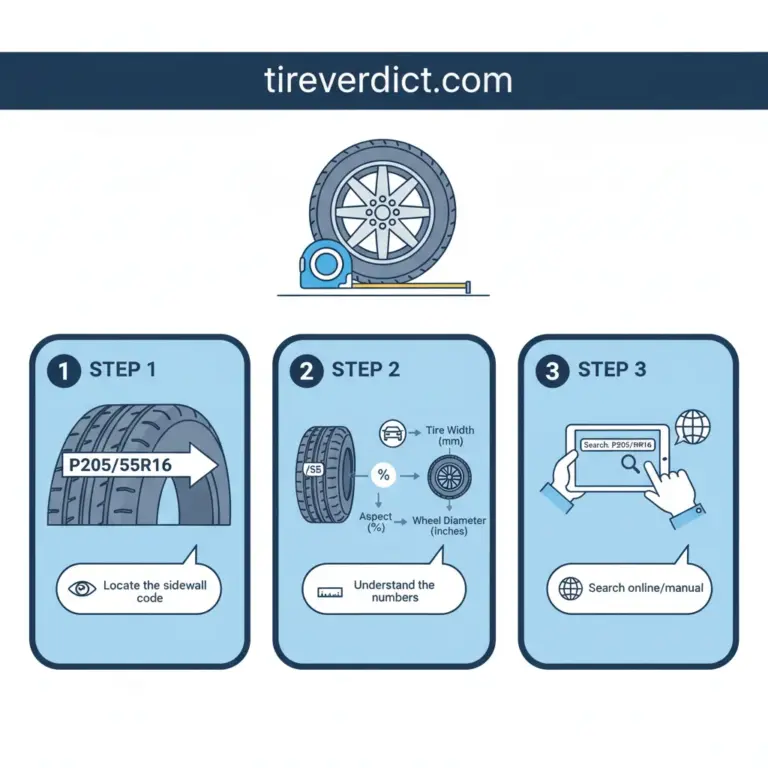
Open the driver’s door and look for a sticker on the B-pillar (the frame between the front and rear doors) or on the edge of the driver’s door itself. This placard is specifically for your vehicle.
On the placard, you will find information under “TIRE AND LOADING INFORMATION” or similar. Look for the tire size (e.g., P265/65R18) and the recommended cold tire inflation pressures (e.g., 35 PSI front, 35 PSI rear). This is your trusted OEM specification.
Physically check the sidewall of your current tires to ensure they match the placard. If they differ, the placard should be your primary reference for replacement. Research indicates that OEM tire pressure recommendations for most Sierra 1500 models range from 35-38 PSI.
For those considering changing their wheels, it’s essential to understand the wheel compatibility factors. The 2015 GMC Sierra 1500 utilizes a lug nut pattern of 6×139.7mm (or 6×5.5 inches), which refers to six lug nuts on a 139.7mm bolt circle diameter. The center bore, the hole in the center of the wheel that fits over the hub, is typically 78.1mm. Maintaining these specifications is crucial for proper wheel fitment and to prevent vibrations or premature wear on the wheel bearings.
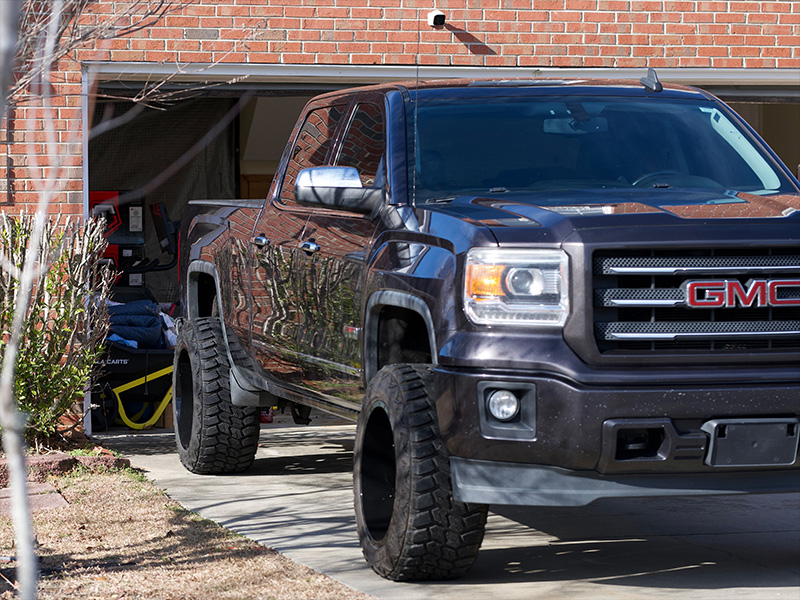
Deciphering Tire Sidewall Markings and Essential Tire Specifications for Your Sierra
Understanding the alphanumeric codes on a tire’s sidewall is fundamental to making informed decisions about tire selection and maintenance for your 2015 GMC Sierra 1500. These markings provide a wealth of information beyond just the physical size, offering insights into performance capabilities, manufacturing details, and safety standards.
Decoding the Tire Size Designation (P-metric or LT-metric)
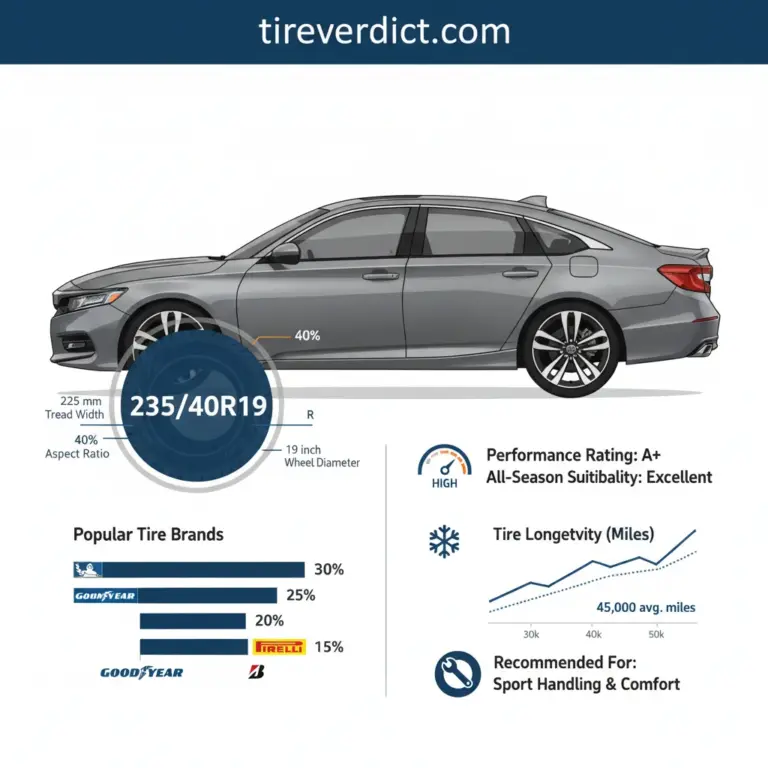
Let’s break down a common example for the Sierra: P275/55R20 or LT265/70R17.
- P (or no letter): Indicates a “P-metric” tire, designed for passenger vehicles, SUVs, and light-duty trucks like the Sierra 1500. These offer a comfortable ride and are suitable for typical use.
- LT: Designates an “LT-metric” tire, or Light Truck tire. These are built for heavier loads, towing, and more rugged applications, offering increased durability and load capacity, often at the expense of ride comfort.
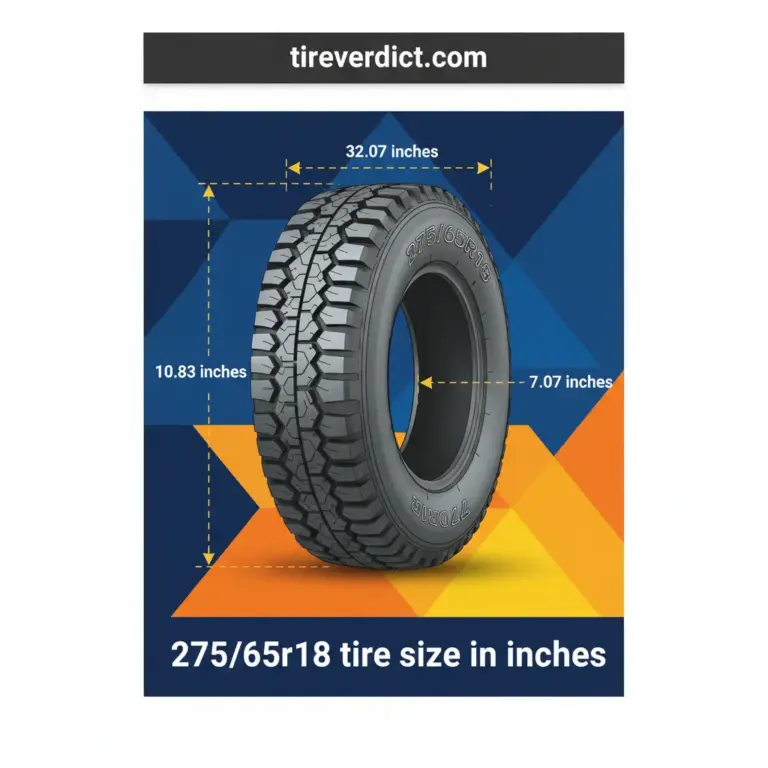
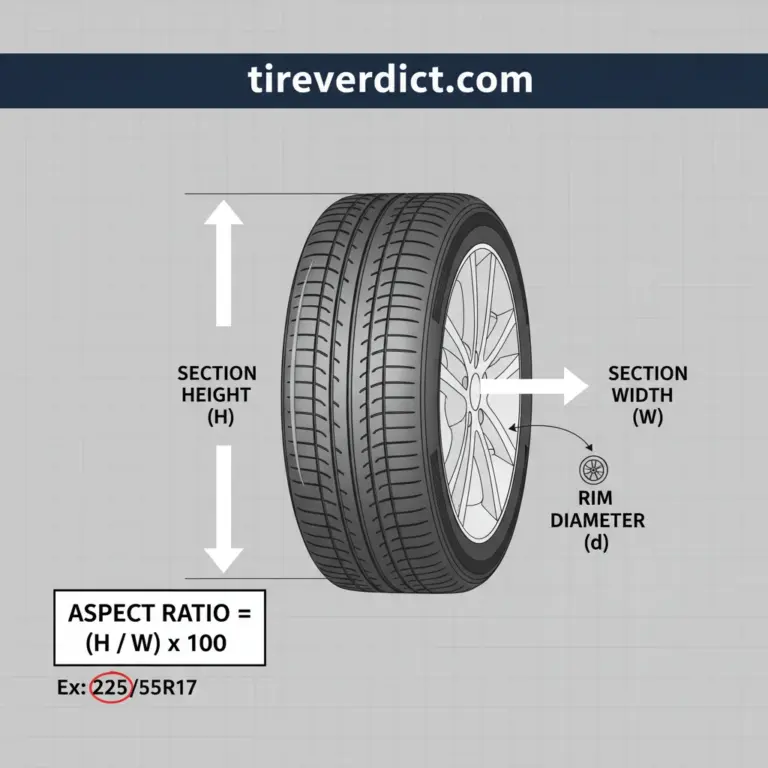
- 275 (or 265): Represents the tire’s section width in millimeters, measured from sidewall to sidewall. So, 275mm or 265mm.
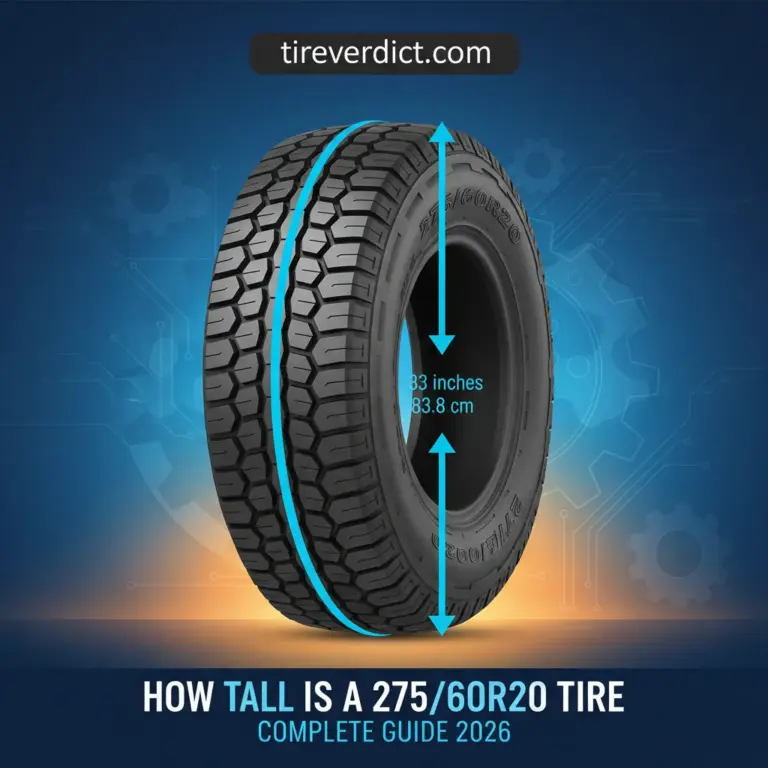
- /55 (or /70): This is the aspect ratio, indicating the tire’s height as a percentage of its width. A 55 means the tire’s height is 55% of its 275mm width. A higher number means a taller sidewall.
- R: Signifies radial construction, the most common type for modern tires, meaning the plies run radially across the tire.
- 20 (or 17): The diameter of the wheel (rim) in inches that the tire is designed to fit.
Load Index and Speed Rating
These two codes, typically found after the size designation (e.g., 118S or 113T), are critical safety specifications:
- Load Index (e.g., 113 or 118): A numerical code corresponding to the maximum weight capacity a single tire can safely carry at its maximum inflation pressure. A higher number indicates a greater load capacity. For instance, a load index of 113 means the tire can support 2,535 lbs, while 118 indicates 2,910 lbs. It is paramount that your replacement tires match or exceed the OEM load index to prevent overloading and potential tire failure, especially when towing or hauling. Research indicates that the 2015 Sierra 1500 OEM tires typically have a load index ranging from 111 (2,403 lbs) to 116 (2,756 lbs).
- Speed Rating (e.g., S or T): An alphabetical code indicating the maximum speed at which the tire can safely carry its rated load. Common ratings for the Sierra 1500 include:
- S: 112 mph (180 km/h)
- T: 118 mph (190 km/h)
- H: 130 mph (210 km/h)
While a ‘T’ speed rating is suitable for most truck applications and common for Sierra 1500 OEM tires, it’s acceptable to install tires with a higher speed rating, but never a lower one than specified by GM.
Other Crucial Sidewall Markings
- DOT Code: A sequence starting with “DOT” followed by numbers and letters. The last four digits indicate the week and year of manufacture (e.g., 4522 means 45th week of 2022). This is vital for tracking tire age, as tires generally should be replaced after 6-10 years, regardless of tread depth.
- M+S (Mud and Snow) or Snowflake Symbol: Indicates the tire meets specific performance requirements for traction in muddy or snowy conditions. The three-peak mountain snowflake (3PMSF) symbol signifies a dedicated winter tire, offering superior performance in severe winter weather compared to M+S only.
Uniform Tire Quality Grading (UTQG)
The UTQG system, mandated by the National Highway Traffic Safety Administration (NHTSA) for passenger car tires (though often present on light truck tires), provides a comparative rating for:
- Treadwear: A comparative rating based on wear rate, with a higher number indicating a longer expected tread life (e.g., 500 means it will last 5 times longer than a reference tire with a rating of 100).
- Traction: Graded from AA, A, B, to C, measuring a tire’s ability to stop on wet pavement. AA is the highest rating.
- Temperature: Graded from A, B, to C, indicating a tire’s resistance to heat generation and its ability to dissipate heat. A is the highest rating.
These ratings offer valuable information for consumers to compare different tire models and select those that align with their driving conditions and longevity expectations, ensuring a quality and reliable choice for their Sierra.
Optimizing Tire Performance: Pressure, Maintenance, and Longevity for Your 2015 Sierra 1500
Maintaining your 2015 GMC Sierra 1500’s tires properly is as crucial as selecting the correct size. Diligent maintenance not only enhances safety and performance but also significantly extends the lifespan of your tires, providing a better return on your investment. As a trusted guide, we emphasize these professional best practices.
The Critical Role of Correct Tire Pressure
Proper tire inflation is the single most important maintenance item for tires. The correct cold inflation pressure for your Sierra 1500 is found on the driver’s door jamb placard, not the tire sidewall. Under-inflation leads to excessive heat buildup, increased rolling resistance (reducing fuel economy), and accelerated wear on the tire shoulders. Conversely, over-inflation results in a harsher ride, reduced traction, and premature wear in the center of the tread. Research indicates that a mere 10 PSI under-inflation can reduce tire life by 15% and decrease fuel efficiency by 1-2%, while posing significant safety risks due to compromised handling and increased blowout potential.
Never inflate your tires to the maximum pressure listed on the tire’s sidewall unless you are operating under maximum load conditions and the vehicle manufacturer specifies it. Always follow the pressure recommendation on your truck’s door jamb placard for daily driving to ensure optimal safety and performance.
Tire Rotation, Alignment, and Balancing
- Tire Rotation: Regular tire rotation (typically every 5,000 to 7,500 miles, or with every oil change) promotes even tread wear across all four tires. For 4WD vehicles like many Sierra 1500s, this is especially important to prevent differential wear patterns and maintain drivetrain health. Common rotation patterns include front-to-rear for non-directional tires, or a cross pattern for 2WD vehicles.
- Wheel Alignment: Proper wheel alignment ensures your Sierra’s wheels are correctly oriented relative to each other and the road. Misalignment can cause rapid, uneven tire wear (e.g., feathering or camber wear), pulling of the steering, and reduced fuel efficiency. It should be checked annually, after any significant suspension work, or if you notice steering issues.
- Tire Balancing: Unbalanced tires can cause vibrations, typically felt in the steering wheel or seat, leading to uneven tread wear and discomfort. Tires should be balanced when first installed and re-checked if vibrations occur or after a tire repair.
Regular Inspections for Quality and Safety
Conducting simple visual inspections frequently can preempt serious issues. Check for:
- Tread Depth: Use a tread depth gauge or the built-in tread wear indicators (small bars between the tread blocks). The legal minimum tread depth is 2/32 inch, but many experts recommend replacing tires at 4/32 inch for optimal wet weather traction. Uneven wear patterns (center wear from over-inflation, shoulder wear from under-inflation, or one-sided wear from alignment issues) indicate underlying problems.
- Sidewall Integrity: Look for cuts, cracks, bulges, or punctures. Any significant damage to the sidewall compromises the tire’s structural integrity and warrants immediate professional inspection.
- Foreign Objects: Visually inspect for nails, screws, or other debris lodged in the tread.
Under optimal conditions and with diligent maintenance, a quality tire on your Sierra 1500 can achieve an average lifespan of 40,000-60,000 miles. Proper tire storage, if you switch between seasonal sets, involves cleaning them, storing them away from direct sunlight and extreme temperatures, and either stacking them flat or standing them upright to prevent deformation.
By The Numbers: Tire Maintenance Impact
Reduction in Tire Life (10 PSI Under-inflation)
Miles Average Tire Lifespan (Optimal)
Minimum Legal Tread Depth
Miles Between Tire Rotations (Recommended Max)
Tire Upgrades, Off-Roading Considerations, and Calibration for the 2015 Sierra 1500
Many 2015 GMC Sierra 1500 owners consider tire upgrades for various reasons, ranging from enhanced aesthetics to improved off-road capability or increased load capacity for towing. While upgrades can significantly alter your truck’s character, they require careful planning and understanding of their implications to maintain vehicle safety and functionality.
Reasons for Upgrades and Clearance Considerations
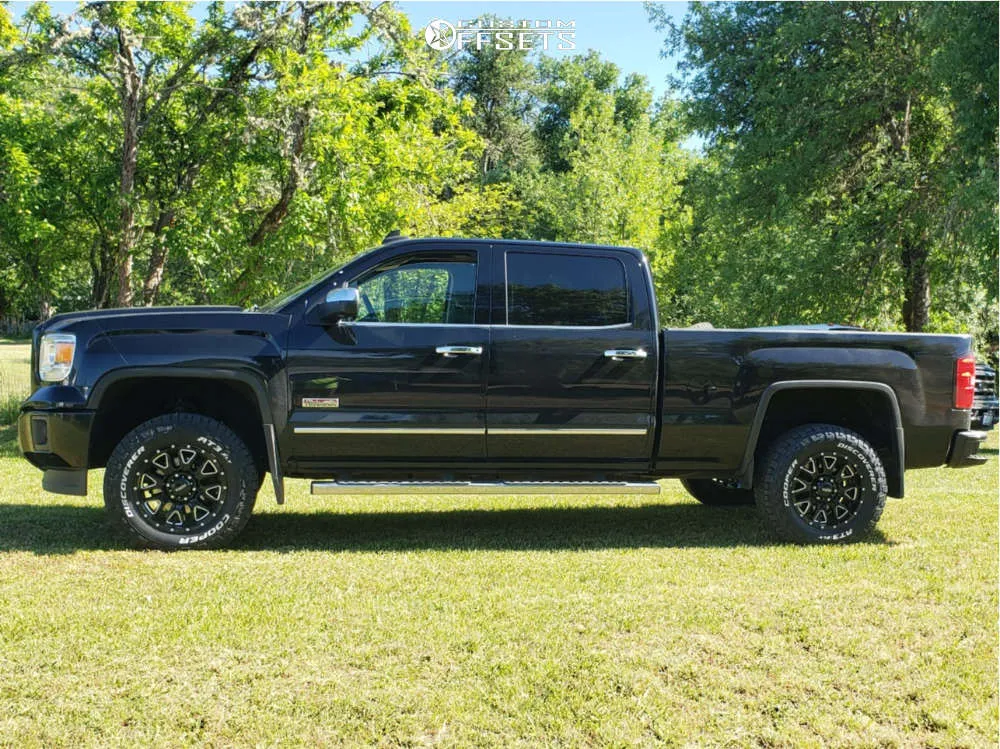
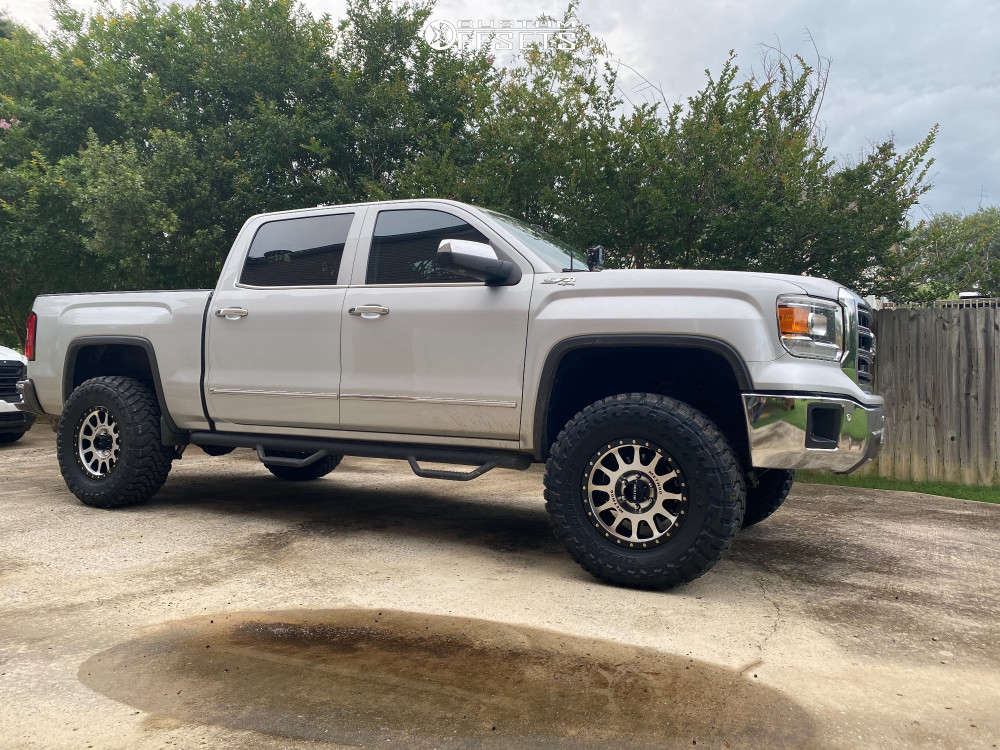
Common upgrade motivations include a desire for a more aggressive look, better traction in specific conditions, or the need for a higher load rating. When upsizing tire diameter, the primary concern is clearance. Larger tires can potentially rub against suspension components (e.g., upper control arms), fender liners, or even the bumper when turning or during suspension compression. A common upgrade for a Sierra 1500 initially equipped with P275/55R20 might involve moving to an LT275/60R20 or a 285/55R20. Such increases typically necessitate a leveling kit or a modest lift kit (e.g., 2-3 inches) to provide adequate clearance and prevent rubbing, especially during articulation or sharp turns.
The Necessity of Recalibration
Perhaps the most critical aspect of changing tire diameter is its impact on your vehicle’s electronic systems. Altering the tire’s rolling circumference directly affects the speedometer and odometer accuracy. A larger tire will cause your speedometer to read lower than your actual speed, while a smaller tire will make it read higher. Even a 3% increase in tire diameter can result in a 3% speedometer error, which, at 70 mph, means you’re actually traveling at nearly 72 mph. This inaccuracy also affects odometer readings, impacting maintenance schedules and resale value calculations.
Beyond speed, the vehicle’s transmission shift points and anti-lock braking system (ABS) are calibrated to the original tire size. Incorrect shift points can lead to suboptimal performance and premature transmission wear. Therefore, vehicle recalibration is essential. This can be done using aftermarket programmers (like Hypertech or Superchips tuners) or by a dealership service center with specialized diagnostic tools. Failing to recalibrate can lead to more than just inaccurate readings; it can compromise active safety systems and vehicle drivability.
Before purchasing larger tires, verify the exact tire size that will fit your 2015 Sierra 1500 without rubbing, considering any lift or leveling kits. Once installed, immediately schedule a recalibration service. Neglecting recalibration can lead to legal issues (speeding tickets) and compromise your truck’s electronic safety features, affecting the quality of your drive and professional reliability.
P-Metric vs. LT-Metric Tires for Upgrades
When upgrading, one of the most significant choices is between P-metric and LT-metric tires. The 2015 Sierra 1500 typically came with P-metric tires from the factory.
✅ Pros (LT-Metric over P-Metric)
- Increased Load Capacity: Crucial for heavy hauling or towing. An LT tire with an E-Load range can have a load index of 121 (3,197 lbs) or higher per tire, significantly more than a P-metric tire.
- Enhanced Durability: Stronger sidewalls and construction, making them more resistant to punctures and damage, especially beneficial for off-roading or construction sites.
- Improved Stability: Stiffer construction can offer better handling and stability under heavy loads.
❌ Cons (LT-Metric over P-Metric)
- Harsher Ride Quality: Stiffer sidewalls translate to a less comfortable ride.
- Reduced Fuel Economy: Heavier construction and often more aggressive tread patterns increase rolling resistance.
- Higher Cost: Generally more expensive than comparable P-metric tires.
- Increased Noise: Often louder on the highway due to more aggressive tread designs.
Off-Roading Tire Selection
For those taking their Sierra off the beaten path, selecting the right tire type is crucial:
- All-Terrain (AT) Tires: Offer a balance of on-road comfort and off-road capability. They have more aggressive tread patterns than highway tires but are still reasonably quiet and long-lasting for daily driving. They are a reliable, trusted choice for most occasional off-roaders.
- Mud-Terrain (MT) Tires: Designed for extreme off-road conditions, featuring large, widely spaced tread blocks for maximum traction in mud, rocks, and loose soil. They excel off-road but typically have increased road noise, reduced comfort, and faster wear on pavement. Their professional application is for dedicated off-road vehicles.
Aftermarket Wheels: Offset and Backspacing
When pairing larger tires with aftermarket wheels, understanding offset and backspacing is critical. Offset is the distance from the wheel’s mounting surface to its true centerline. Positive offset means the mounting surface is towards the front (outboard) of the wheel’s centerline, tucking the wheel further into the fender. Negative offset pushes the wheel outwards. Backspacing is the distance from the mounting surface to the wheel’s inner edge. Incorrect offset or backspacing can cause tires to rub against the frame, suspension, or fenders, and can negatively impact handling and bearing life. Consulting a professional wheel and tire specialist is always recommended to ensure proper fitment for optimal quality and performance.
Correct tire size is crucial for 2015 GMC Sierra 1500 safety, performance, and speedometer accuracy. Always verify OEM tire specifications on your vehicle’s door jamb placard or owner’s manual. Understanding sidewall markings, load index, and speed rating is essential for informed tire selection and maintenance, including for upgrades. Ensure your 2015 GMC Sierra 1500 operates at peak performance and safety by consistently verifying your tire specifications and adhering to professional maintenance guidelines. Consult a trusted tire specialist for any complex upgrades or if you have questions regarding specific fitments.
Frequently Asked Questions
What is the most common factory tire size for a 2015 GMC Sierra 1500?
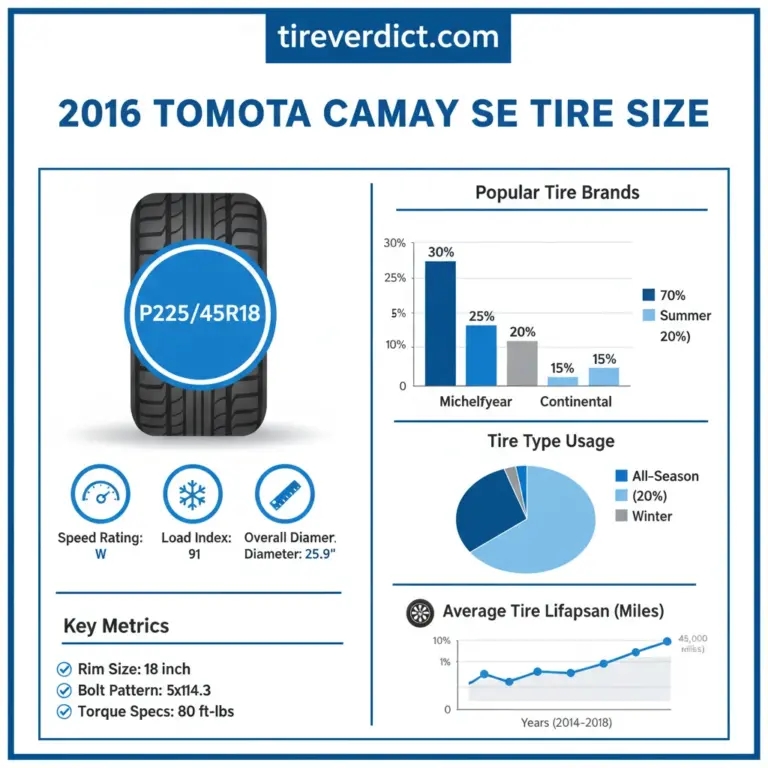
The 2015 GMC Sierra 1500 commonly features several factory tire sizes depending on the trim and wheel package. Frequently observed sizes include P255/70R17, P265/70R17, P265/65R18, and P275/55R20. To ascertain the exact original equipment tire size for your specific vehicle, always refer to the tire information placard located on the driver’s side door jamb or within the owner’s manual.
Can I put larger tires on my 2015 GMC Sierra 1500 without a lift kit?
Generally, increasing tire diameter by more than 1-2 inches beyond factory specifications on a 2015 GMC Sierra 1500 typically requires a leveling kit or lift kit to prevent rubbing during turns or suspension compression. Without modifications, larger tires can interfere with wheel wells, suspension components, or fender liners. Professional consultation is advised to assess clearance and avoid issues.
How does changing tire size affect my speedometer accuracy in a 2015 Sierra?
Altering the tire’s overall diameter on your 2015 GMC Sierra 1500 directly impacts speedometer and odometer accuracy. A larger diameter tire will make your speedometer read slower than your actual speed, while a smaller one will make it read faster. This discrepancy necessitates recalibration, often achievable with aftermarket programmers or by a dealership, to ensure precise readings and correct transmission shift points.
What tire pressure should I maintain for my 2015 GMC Sierra 1500?
The optimal tire pressure for your 2015 GMC Sierra 1500 is not universally fixed but is specifically designated by the manufacturer for your vehicle’s exact configuration. This crucial information is reliably found on the tire pressure placard on the driver’s side door jamb, or in your owner’s manual. Typically, pressures range from 35-38 PSI when cold, varying with load and tire type.
Are LT (Light Truck) tires better than P (Passenger) tires for a 2015 Sierra 1500?
The choice between LT and P tires for your 2015 GMC Sierra 1500 depends on your usage. LT tires, particularly those with higher load ranges (e.g., E-Load), offer increased durability, puncture resistance, and higher load carrying capacity, making them superior for heavy towing, hauling, or aggressive off-road driving. P-metric tires generally provide a smoother ride, better fuel economy, and are suitable for lighter duty use.