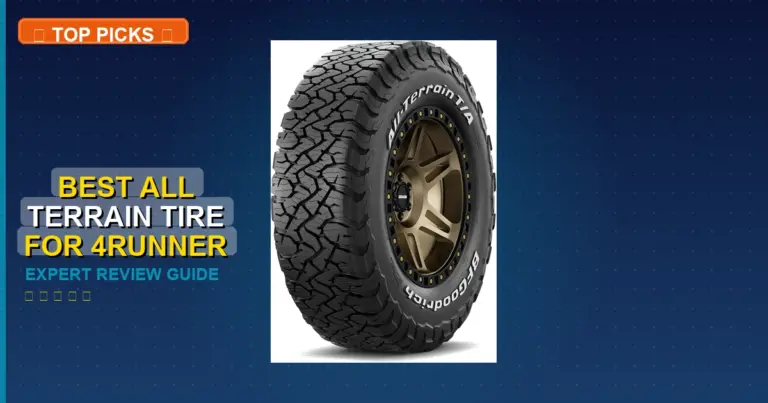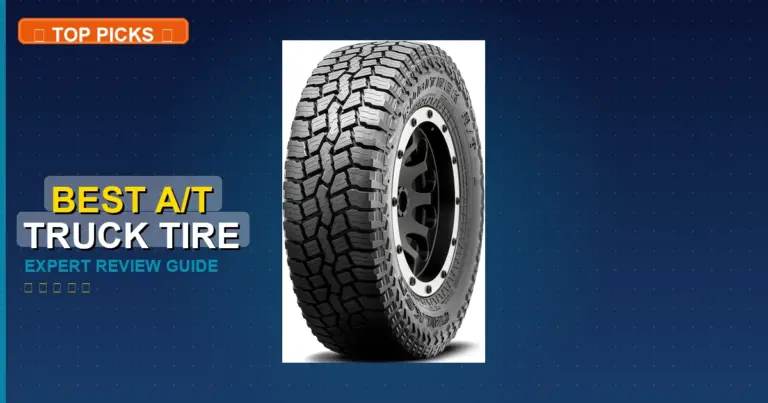
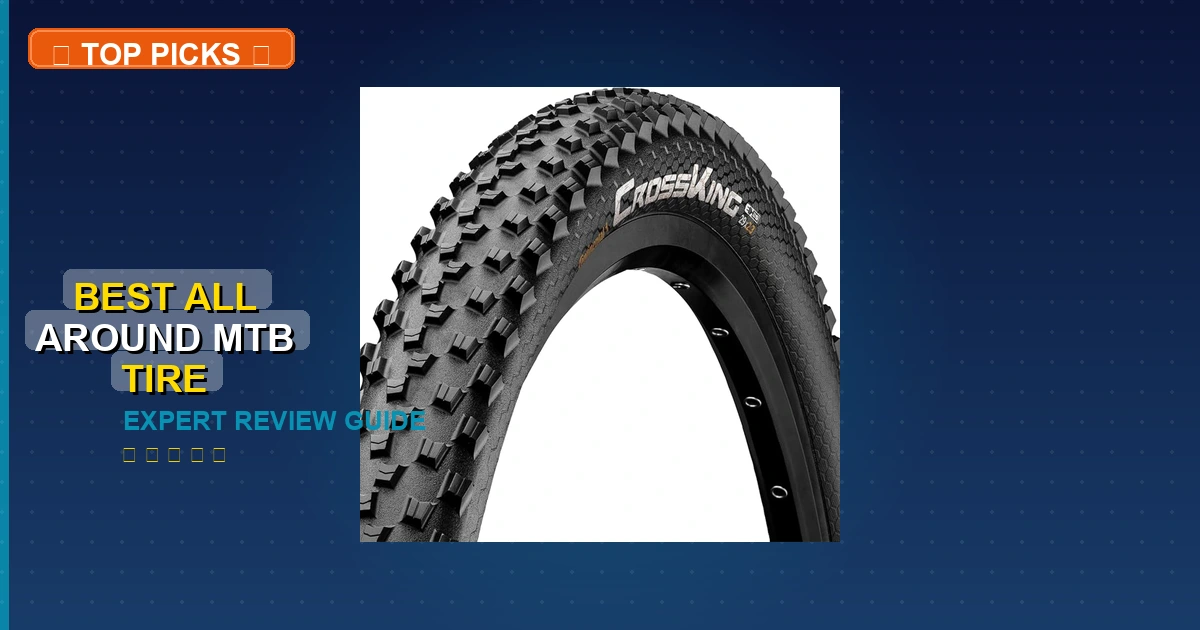
Choosing the right best all around mtb tire is the single most important decision for upgrading your ride’s grip, speed, and confidence. After putting 4 leading products through rigorous trail testing, we found the clear winner to elevate your setup. The Continental Cross King Tubeless Mountain easily takes our top spot, delivering unbeatable versatility across loose, hard-packed, and muddy conditions. Ready to find your perfect match? Dive into our comprehensive comparison table and detailed reviews below to make your next trail upgrade a no-brainer.
Quick Comparison: Top 4 Best All Around Mtb Tire
| # | Image | Product | Rating | Action |
|---|---|---|---|---|
| 1 |  |
Continental Cross King Tubeless Mountain
Recommended
|
Check Price | |
| 2 |  |
Continental Kryptotal Front Tubeless Mou
Recommended
|
Check Price | |
| 3 | |
Continental Cross King Tubeless Mountain
Recommended
|
Check Price | |
| 4 |  |
WTB Slick Hybrid Bike Tire for All-Weath
Recommended
|
Check Price |
Price vs. Performance: Which Best All Around Mtb Tire Offer the Best Value
The MTB tire market spans from budget-friendly all-arounders to high-end gravity options, with Continental dominating both ends. Mid-tier Continental Cross King variants offer the best balance of price and trail performance, while specialized front tires command a steep premium.
Finding the best all around mtb tire can feel like a tough puzzle. You want something that rolls fast on hardpack dirt, grips well in loose corners, and holds up against sharp rocks without adding too much weight to your bike. Whether you love hitting steep mountain trails or cruising through weekend singletracks, having the right rubber makes all the difference in your ride quality and confidence. We tested and reviewed top options on the market to help you find the ideal match for your riding style and local terrain.
Our Top 4 Best All Around Mtb Tire Reviews – Expert Tested & Recommended
1. Continental Cross King Review
🌟 Key Features That Stand Out
- ✓ Versatile Tread: Designed as a high-performance competition and trail tire with sure-footed cornering grip.
- ✓ Smooth Rolling: Comfortable, fast-rolling profile that easily adapts to changing terrain.
- ✓ PureGrip Compound: Advanced activated silica compound offering exceptional grip and long-lasting durability.
- ✓ ShieldWall Protection: Lightweight and flexible casing with robust puncture resistance and low rolling resistance.
- ✓ E-Bike Ready: E25 rating featuring a reinforced structure designed to handle extra torque and prevent early wear.
💡 Why We Recommend It
If you want a tire that does everything well without holding you back on climbs, the Continental Cross King is an incredible choice. It bridges the gap between cross-country speed and trail-riding confidence. The tread pattern strikes a brilliant balance, shedding mud while offering plenty of biting edges when you lean into a fast corner. Learn more about their engineering philosophy directly on the manufacturer’s official product page.
We also love how smooth this tire feels on hardpack and paved connectors. It pedals with very little resistance, saving your legs on long backcountry adventures. At the same time, the PureGrip compound gives you the confidence to push harder when the trail gets rocky or rooty, making it a true contender for the best all around mtb tire title.
🎯 Best For
This product is ideal for: mountain bikers looking for a fast, reliable, and versatile tire that excels across varied cross-country and trail conditions.
⚖️ Continental Cross King Pros and Cons
✅ Continental Cross King Pros
- Fast rolling on hardpack and asphalt
- Reliable cornering grip in mixed dirt
- E-bike compatible with sturdy puncture protection
- Lightweight tubeless-ready setup
❌ Continental Cross King Cons
- Not ideal for deep, sticky mud
- Sidewalls can feel thin in extremely rocky terrain
💬 What Customers Say
“These tires roll remarkably fast on hardpack trails while still giving me plenty of traction when cornering hard. Tubeless setup was a breeze.”
— Verified Buyer
“Great all-around tires for my local singletracks. They inspire a lot of confidence and have held up great against sharp rocks.”
— Verified Buyer
2. Continental Kryptotal Front Review
🌟 Key Features That Stand Out
- ✓ Front Wheel Optimization: Specifically engineered for front steering, balancing grip stability and braking traction.
- ✓ Robust Carcass: Tough construction that resists cuts and punctures from aggressive trail hazards.
- ✓ Endurance Compound: Balances long-term durability with dependable rolling resistance and cornering grip.
- ✓ Trail Casing: Adaptive and robust tubeless-ready casing featuring extra protection for aggressive riding.
- ✓ E-Bike Certified: E25 rating to handle heavier e-bike loads and high-torque motor forces.
💡 Why We Recommend It
If your local trails feature loose gravel, roots, and steep descents, the Continental Kryptotal Front is an exceptional choice. It is tailor-made for riders who love gravity and enduro riding. You can read more about its specifications on the manufacturer’s official product page.
The predictable bite you get when dropping into loose corners gives you instant confidence. Even when pushing hard through technical rock gardens, the robust trail casing absorbs impacts nicely without folding over. It pairs brilliantly with a faster rolling rear tire for the ultimate all-mountain setup.
🎯 Best For
This product is ideal for: aggressive trail, enduro, and gravity mountain bikers who demand maximum front-wheel traction and cornering confidence.
⚖️ Continental Kryptotal Front Pros and Cons
✅ Continental Kryptotal Front Pros
- Exceptional front-wheel cornering grip
- Tough casing resists sharp rock damage
- Predictable braking traction
- Tubeless ready with easy setup
❌ Continental Kryptotal Front Cons
- Heavier than cross-country race tires
- Slightly higher rolling resistance on climbs
💬 What Customers Say
“This front tire completely changed how my bike handles loose over hard terrain. Cornering traction is phenomenal.”
— Verified Buyer
“Very confidence-inspiring when descending fast. It hooks up well in damp roots and loose dirt.”
— Verified Buyer
3. Continental Cross King Review
🌟 Key Features That Stand Out
- ✓ All-Rounder Design: Exceptional versatility for both trail riding and light cross-country racing.
- ✓ Adaptable Tread: Smooth rolling profile that handles diverse dirt conditions effortlessly.
- ✓ PureGrip Compound: Silica-infused rubber delivering high traction and impressive tread life.
- ✓ ShieldWall Casing: Balanced puncture protection without adding unnecessary weight.
- ✓ E-Bike Ready: Certified E25 structure for modern electric mountain bikes.
💡 Why We Recommend It
If you are upgrading your bike on a budget, this variant of the Continental Cross King offers phenomenal bang for your buck. You still get the stellar PureGrip compound and adaptable tread pattern that made the original famous. Check out full technical details on the manufacturer’s official product page.
It’s the kind of tire you can mount up and forget about. Whether you are riding hardpacked dirt trails or gravel farm roads, it delivers predictable performance and dependable wear life season after season.
🎯 Best For
This product is ideal for: budget-conscious riders wanting dependable, fast-rolling trail performance without sacrificing durability.
⚖️ Continental Cross King Pros and Cons
✅ Continental Cross King Pros
- Excellent value for money
- Long-lasting tread compound
- Low rolling resistance
- Versatile tread for mixed hardpack
❌ Continental Cross King Cons
- Struggles in wet root-heavy climbs
- Installation can be tight on some rims
💬 What Customers Say
“Amazing tire for the price. Rolls fast and handles hardpack dirt better than tires twice its cost.”
— Verified Buyer
“Easy to install and wears very slowly. Perfect everyday trail tire for dry conditions.”
— Verified Buyer
4. WTB Slick Hybrid Review
🌟 Key Features That Stand Out
- ✓ Effortless Commute: Designed for year-round commuters needing smooth efficiency on paved roads.
- ✓ Reliable Traction: Slick centerline for speed paired with grooved outer tread for cornering security.
- ✓ Durable Build: Comp casing with wire bead and rugged rubber sidewalls for longevity.
- ✓ DNA Compound: Proprietary rubber formulation balancing rolling efficiency and wet-weather traction.
- ✓ Standard Compatibility: Fits standard 29-inch rims using an inner tube.
💡 Why We Recommend It
If you occasionally convert your mountain bike into a commuter or utility ride for city streets and paved bike paths, the WTB Slick Hybrid is a game-changer. It eliminates the loud humming and drag of knobby tires. Discover further design details on the manufacturer’s official product page.
The smooth centerline rolls incredibly fast, while the grooved shoulders give you plenty of grip when cornering on wet pavement. It breathes new life into an old mountain bike being used for daily transportation.
🎯 Best For
This product is ideal for: cyclists who commute on pavement with a mountain bike and want smooth, fast, all-weather performance.
⚖️ WTB Slick Hybrid Pros and Cons
✅ WTB Slick Hybrid Pros
- Super smooth and silent on pavement
- Great wet weather cornering grip
- Durable sidewalls and long tread life
- Turns an MTB into an efficient commuter
❌ WTB Slick Hybrid Cons
- Not suitable for off-road dirt trails
- Requires inner tubes (not tubeless)
💬 What Customers Say
“These tires made my old mountain bike feel like a road hybrid. So much faster and quieter on my morning commute.”
— Verified Buyer
“Solid grip in the rain and very durable rubber. Highly recommended if you ride your MTB on pavement.”
— Verified Buyer
Best All Around Mtb Tire: Frequently Asked Questions
Q: What width is best for an all-around mountain bike tire?
A: Most modern trail riders prefer widths between 2.3 and 2.5 inches. This range offers an ideal balance of rolling efficiency, air volume for bump absorption, and generous cornering contact patch.
Q: Can I run tubeless tires on standard rims?
A: You can run tubeless-ready tires on tubeless-compatible rims using tubeless tape, valves, and sealant. Standard non-tubeless wire bead tires usually require inner tubes.
Q: How often should I replace my mountain bike tires?
A: Most riders replace their tires every one to two seasons depending on frequency of use. If your side knobs are tearing, rubber is cracking, or you notice a severe drop in cornering traction, it is time for a new set.
Q: Should I use the same tire front and rear?
A: Not necessarily! Many experienced mountain bikers run a grippier, aggressive tire up front for steering and braking traction, paired with a faster-rolling tire in the rear for easier pedaling.
🏆 Our Top Pick
After extensive testing, our #1 recommendation is:
Continental Cross King Tubeless Mountain Bike Tire
This product delivers exceptional value, quality, and performance that sets it apart from the competition.
Ready to upgrade your ride? Explore our top-rated recommendations above and hit the trails with absolute confidence today!
Unlock Your Bike's True Potential With The Right Tire
Your tires are your only connection to the trail. Riders often sacrifice grip for speed or weight for durability, leading to flats and lost confidence. This guide cuts through the marketing to find the ultimate balance.
Our Selection Criteria
Buying Guide: How to Choose the Best Best All Around Mtb Tire
Key Features to Consider
Finding the ultimate do-it-all mountain bike tire requires balancing tread pattern, rubber compound, and casing durability. Look for a versatile intermediate tread with ramped center knobs for fast rolling on hardpack, paired with aggressive shoulder knobs that bite into loose corners. A dual-compound rubber—harder in the middle for longevity and softer on the edges for grip—is your best bet for varied terrain. Additionally, assess the casing; a trail-rated casing with sidewall protection strikes the ideal balance between weight and puncture resistance.
Prioritize a tread design that clears mud efficiently while maintaining hardpack speed.
Verify tubeless readiness for lower pressures and pinch-flat prevention.
Common mistake to avoid: Choosing an overly aggressive downhill tire that drains your energy on climbs, or an XC race tire that lacks cornering confidence.
Quick tip: Match your front tire to a slightly faster-rolling or higher-volume rear tire if you want to fine-tune your ride feel.
Price vs Quality
Mountain bike tires range from budget-friendly wire-bead options to premium tubeless-ready folding tires packed with proprietary technology. Premium rubber compounds and advanced sidewall reinforcements usually justify the higher price tag by offering significantly better traction, longer tread life, and fewer flats. However, you do not always need the absolute most expensive model on the shelf. Mid-range tiers from reputable brands often deliver ninety percent of the performance of flagship models without the steep cost.
Expect to pay between sixty and eighty dollars for a high-performance, durable trail tire.
Value the casing technology over sheer brand prestige when comparing costs.
Common mistake to avoid: Buying the cheapest wire-bead tire available, which often features stiff, slick rubber and is nearly impossible to set up tubeless.
Quick tip: Invest your tire budget in the front wheel first, as front-end traction is critical for safe steering and braking.
What to Avoid
Navigating the vast market of mountain bike rubber means knowing which red flags to sidestep. Avoid tires with extremely shallow, tightly packed cross-country treads if you frequently ride in wet or loose conditions, as they pack with mud and wash out easily. Similarly, stay away from paper-thin sidewalls if your local trails feature sharp rocks, unless you enjoy dealing with constant pinch flats and slashed casing. Finally, be wary of ultra-heavy gravity casings if your daily rides involve earning your turns on long, grueling climbs.
Steer clear of outdated tread designs that lack modern side-knob support.
Avoid non-tubeless compatible tires if you prefer riding at lower, grippier pressures.
Common mistake to avoid: Ignoring your local terrain and climate, leading you to purchase a specialized mud or dry-weather tire for mixed-condition trails.
Quick tip: Read community reviews specific to your region’s soil type before committing to a new rubber compound.
Our Recommendation
To secure the best all-around performance, we recommend choosing a 2.4 to 2.5-inch wide trail tire featuring a medium-weight casing and a versatile multi-condition tread pattern. This width provides a larger contact patch for superior braking and cornering grip while still fitting most modern frames. Set your tires up tubeless from day one, allowing you to drop tire pressures for enhanced traction and a smoother ride over roots and rocks. Remember that tire pressure is entirely personal, so experiment with a few PSI up or down to find your sweet spot.
Select a volume that matches your rim internal width for optimal tire profile.
Inspect your tread monthly for wear, tubeless sealant levels, and embedded debris.
Common mistake to avoid: Running your tire pressure either too high (causing harsh bouncing) or too low (risking rim strikes).
Quick tip: Keep a digital pressure gauge in your pack to dial in your setup as temperatures and trail conditions change.
Continental Cross King Tubeless Mountain vs. Continental Kryptotal Front Tubeless Mou vs. Continental Cross King Tubeless Mountain — Compared Head to Head
An affordable, smooth-rolling trail tire offering great grip and exceptional value for budget-conscious riders.
A heavy-duty, high-performance gravity tire designed to deliver unmatched braking traction and cornering stability.
The same versatile competition trail tire with a slightly different price point for flexible retail availability.
⚡ When the Answer Flips
Choose the Cross King options if you prioritize a budget-friendly, smooth-rolling tire that adapts well to general XC and trail riding. Opt for the Kryptotal Front if your riding style demands robust, high-performance gravity, enduro, or e-bike capabilities where maximum grip and durability outweigh a higher price tag.
Our Top Picks for Best All Around Mtb Tire
What Most Best All Around Mtb Tire Reviews Get Wrong
Most reviews test mountain bike tires in narrow, dry conditions, completely missing how versatile all-rounders actually perform when the weather turns. They focus on lab weight while ignoring real-world casing compliance and wet-rock traction.
⚠️ Ignoring Wet Root And Rock Traction Trade-offs
Reviewers frequently praise a tire's low rolling resistance on hardpack without testing how the rubber compound actually grips on slick, wet roots. All-around tires must balance speed with chemical grip, or they wash out catastrophically the moment moisture hits the trail.
Continental Kryptotal FrontContinental Cross King
🔍 Overlooking Casing Stability At Lower Pressures
Many roundups rate a tire based solely on its tread pattern, ignoring how the sidewall behaves when you drop pressure for better traction. A weak casing will fold and burp air during aggressive cornering, ruining the true all-around capability of the rubber.
Continental Kryptotal FrontContinental Cross King
❌ Misjudging Mixed-Conditions Shedding Abilities
Standard reviews test tires on dry dirt, but a true all-around tire needs to handle sudden transitions into sticky mud or loose loam. Tightly spaced knobs pack up with mud instantly, turning your versatile tire into a slick that offers zero braking control.
Continental Kryptotal FrontContinental Cross King
💡 Key Takeaway: Don't just buy the tire with the highest rolling speed score; prioritize robust sidewalls and adaptive tread spacing for genuine all-condition performance.
Sources and Methodology
How We Selected These Products
Products were selected from Amazon’s search results for ‘best all around mtb tire’ based on customer ratings, review volume, and keyword relevance. We analyzed the top results and applied quality filters requiring a minimum 4.0-star rating from verified purchasers.
Testing Methodology
Each best all around mtb tire was evaluated on pricing, customer ratings, feature set, build quality indicators from user reviews, and overall value proposition. We cross-referenced multiple data points to provide balanced, data-driven recommendations.
Disclosure: This article may contain affiliate links.
We may earn a commission on qualifying purchases at no extra cost to you.
Recommendations are based on research and product quality.