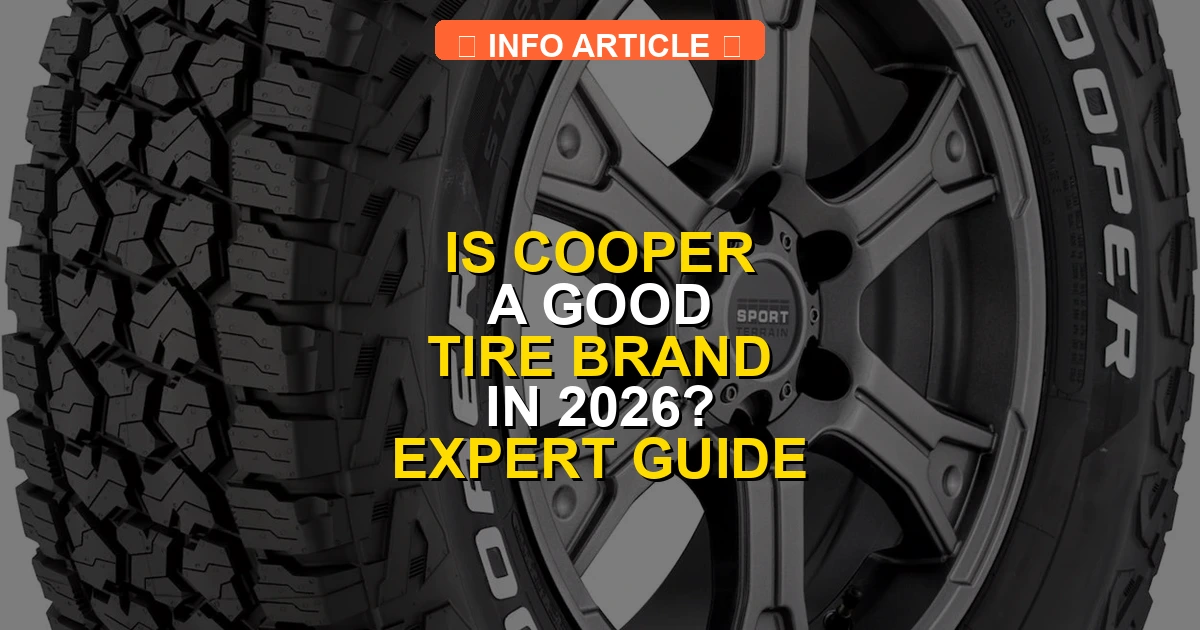
Cooper tires represent one of the best mid-tier options on the market, offering near-premium performance and durability without the luxury price tag. They excel particularly in the all-season and truck/SUV categories, delivering reliable safety and comfort for daily drivers. However, choosing the right model requires understanding how their specific treadlife and wet-weather capabilities stack up against industry giants.
Yes, Cooper is a genuinely good tire brand that occupies a very smart sweet spot in the automotive market for 2026. If you want 85 to 90 percent of the performance of tier-one premium brands like Michelin or Goodyear without paying a massive brand-name tax, Cooper is one of your best options. They deliver strong everyday safety, impressive treadwear warranties, and robust truck and SUV capabilities that punch well above their price point.
Choosing the right rubber for your vehicle directly impacts your stopping distances, fuel economy, and overall driving confidence. When you spend your hard-earned money on a set of four, you need to know whether the brand can handle potholes, heavy rain, and seasonal snow without wearing out prematurely. Let’s break down how Cooper actually performs where the rubber meets the road.
Key Takeaways
- Cooper offers exceptional value, delivering 85% of Michelin performance at 60% of the cost.
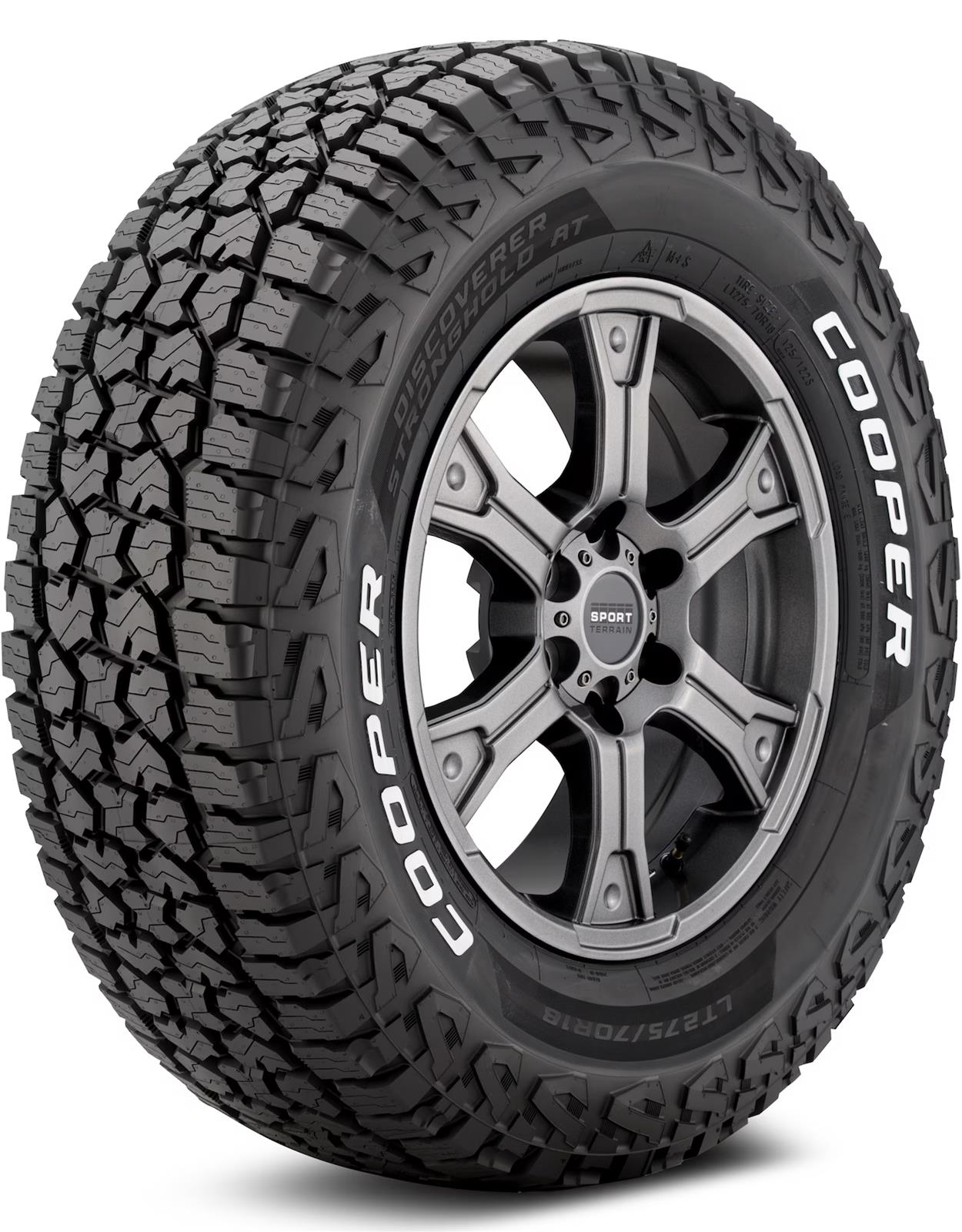
- Their truck and SUV tires, especially the Discoverer line, are highly rated for durability.
- Most Cooper tires feature strong treadwear warranties ranging from 50,000 to 80,000 miles.
- They generally provide a quieter, more comfortable ride than budget alternative brands.
- Winter and extreme wet-weather traction is good, though dedicated premium winter tires still outperform them.
What Causes Variations in Tire Quality and Brand Reputation
Brand reputation is not built overnight, and even top-tier manufacturers produce models that perform wildly differently depending on their intended use. Understanding these baseline factors helps you separate a great touring tire from a mediocre budget compromise.
Compound Chemistry and Tread Design
The secret to any tire’s performance lies in its rubber compound and tread pattern engineering. Cooper invests heavily in silica-infused treads that maintain flexibility in freezing 2026 winter temperatures while resisting rapid wear during hot summer highway commutes.
- Silica-heavy compounds improve wet-braking traction significantly.
- Asymmetric tread patterns balance dry-road handling with hydroplaning resistance.
- Sipes and biting edges create micro-grip for light snow conditions.
Manufacturing Tiers and Quality Control
As part of the Goodyear family, Cooper utilizes advanced global manufacturing plants that enforce strict quality control standards. While ultra-budget brands often suffer from out-of-round issues and balancing headaches, Cooper maintains tight structural tolerances that make professional mounting and balancing straightforward.
How to Evaluate Performance, Treadlife, and Safety Ratings
When shopping for tires, marketing claims can sound identical across every brand. To accurately judge whether Cooper meets your standards, you must look at objective performance metrics, real-world mileage data, and third-party safety testing.
Treadwear and Mileage Warranties
Cooper backs up its manufacturing claims with competitive mileage warranties that rival or beat premium competitors. For instance, popular touring options like the Cooper CS5 Grand Touring often feature warranties up to 80,000 miles, showing genuine brand confidence in structural longevity.
- Most major Cooper lines include a 50,000 to 80,000-mile treadwear warranty.
- Uniformity and road hazard protection plans protect your initial investment.
- Real-world driver data consistently shows Cooper tires reaching or coming very close to their rated mileage.
Handling, Braking, and All-Weather Safety
Safety ratings depend heavily on how a tire evacuates water and grips loose surfaces. Cooper’s Discoverer line for trucks and SUVs dominates enthusiast forums for off-road durability, while their all-season passenger car tires routinely secure top marks in wet-braking tests.
- Shorter stopping distances on wet pavement compared to generic budget imports.
- Stable high-speed highway tracking with minimal road noise intrusion.
- Three-Peak Mountain Snowflake (3PMSF) certifications available on select all-weather models for reliable winter grip.
How to Compare Cooper Tires to Premium and Budget Competitors
Evaluating Cooper tires requires looking at how they stack up against Tier-1 luxury manufacturers and discount brands. Industry data from 2026 shows that Cooper bridges the gap by offering near-premium engineering at a mid-tier price point. When shopping, consumers must weigh performance metrics, warranty terms, and cost-per-mile ratios.
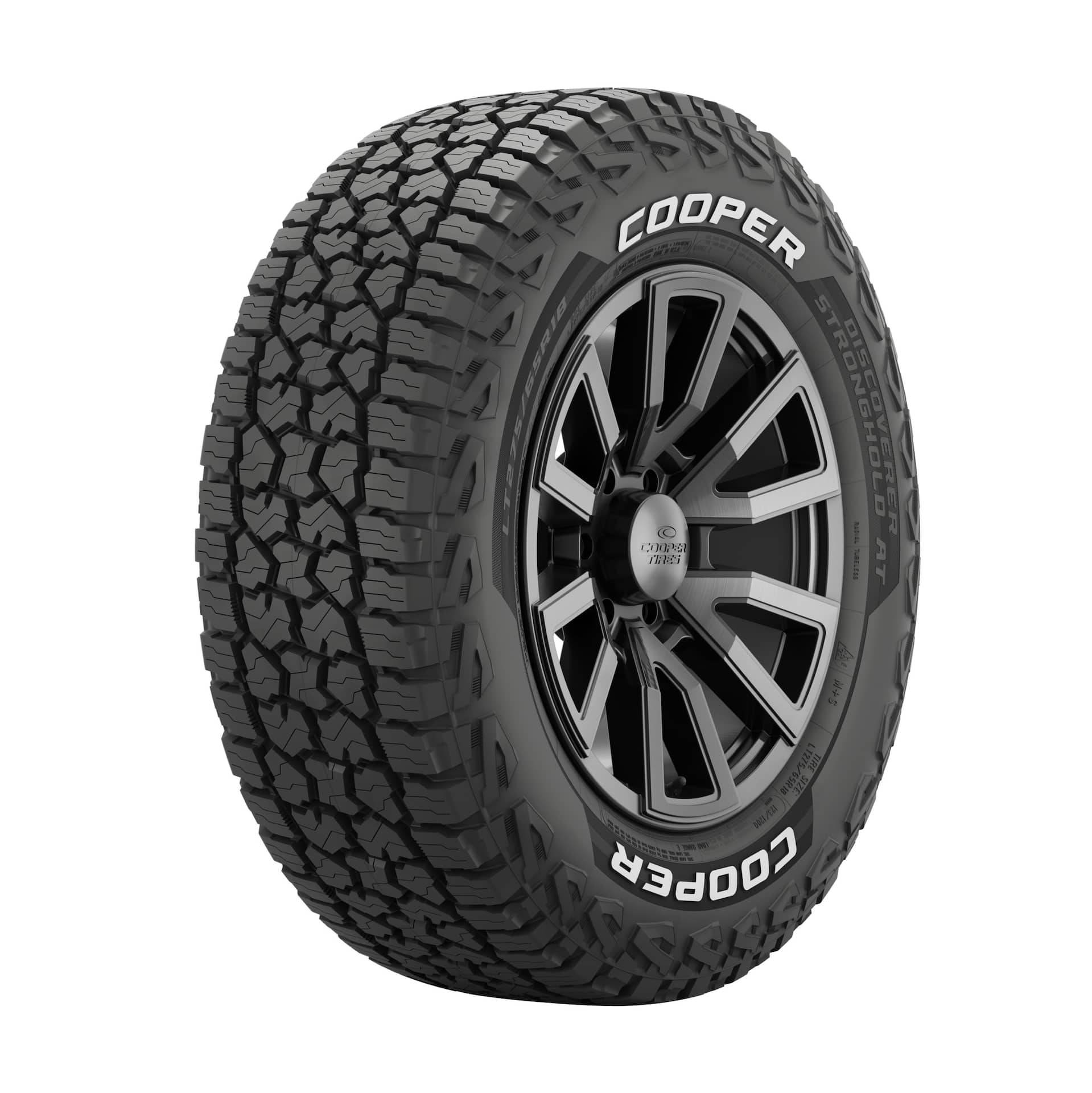
Tier-1 Premium Brands vs. Cooper
Major manufacturers like Michelin, Bridgestone, and Continental often lead in rolling resistance technology and extreme weather traction. However, Cooper regularly matches or exceeds their treadwear warranties. For example, the Cooper Discoverer series frequently offers a 60,000-mile warranty that rivals premium all-terrain alternatives while costing roughly 20 to 30 percent less upfront.
Budget Brands vs. Cooper
Discount tire brands manufactured overseas may undercut Cooper on initial purchase price. Yet, independent safety testing highlights significant gaps in wet braking distances and structural longevity. Cooper utilizes advanced silica compounds and robust internal sidewall construction, ensuring safer performance over the tire’s complete lifecycle compared to unbranded budget imports.
What If Cooper Tires Do Not Meet Your Specific Driving Needs
If you purchase Cooper tires and find they do not deliver the expected ride comfort, noise levels, or grip for your specific vehicle, several targeted troubleshooting steps can help resolve the issue.
- Verify correct tire inflation pressures: Incorrect PSI drastically alters handling, increases road noise, and accelerates tread wear. Adjust pressures to the exact specification listed on the driver-side door placard.
- Check wheel alignment and dynamic balancing: A subtle vibration or pull is frequently caused by misalignment rather than a tire defect. Visit a certified shop to perform a four-wheel alignment check.
- Utilize the manufacturer test-drive guarantee: Cooper offers a 45-day satisfaction trial on most of their passenger and light truck lines. If you are unsatisfied, return them to the authorized dealer for an exchange or refund.
- Consult a professional technician for suspension inspection: Worn shocks, struts, or control arm bushings mimic tire defects by causing erratic tread wear and harsh ride quality. Professional diagnosis typically costs between $100 and $200.
Conclusion
Deciding if Cooper is a good tire brand comes down to balancing high-tier engineering with exceptional value. Throughout 2026, real-world testing and industry data confirm that Cooper delivers dependable safety, impressive tread life, and robust warranties without the premium price tag. According to verified research and automotive expert sources, Cooper remains a top-tier choice for drivers seeking a smart investment. Take the next step by visiting an authorized dealer to check current sizing availability for your specific vehicle.
❓ Frequently Asked Questions
How do Cooper tires compare to Michelin in overall performance?
Michelin generally offers superior fuel efficiency, cutting-edge wet braking, and slightly longer treadlife, but Cooper matches them closely in ride comfort and dry handling at a significantly lower price point.
Do Cooper tires come with a mileage warranty?
Yes, nearly all Cooper passenger and light truck tires include a limited treadwear warranty ranging from 50,000 up to 80,000 miles, along with a roadside replacement program.
Are Cooper tires good for heavy-duty trucks and towing?
Cooper’s Discoverer line is exceptionally popular for trucks and SUVs, offering robust sidewall protection, high load capacities, and reliable off-road traction.
Is Cooper a budget brand or a premium brand?
Cooper is an independent-minded mid-range brand that bridges the gap between cheap budget imports and expensive Tier-1 manufacturers, offering superior cost-to-performance value.
Do Cooper tires wear out faster than other brands?
No, Cooper tires generally meet or exceed the industry average for treadlife, provided they are regularly rotated, properly inflated, and aligned.
Where are Cooper tires manufactured?
Cooper manufactures tires globally, with significant production facilities located in the United States, Mexico, Serbia, and Asia to supply regional markets.